
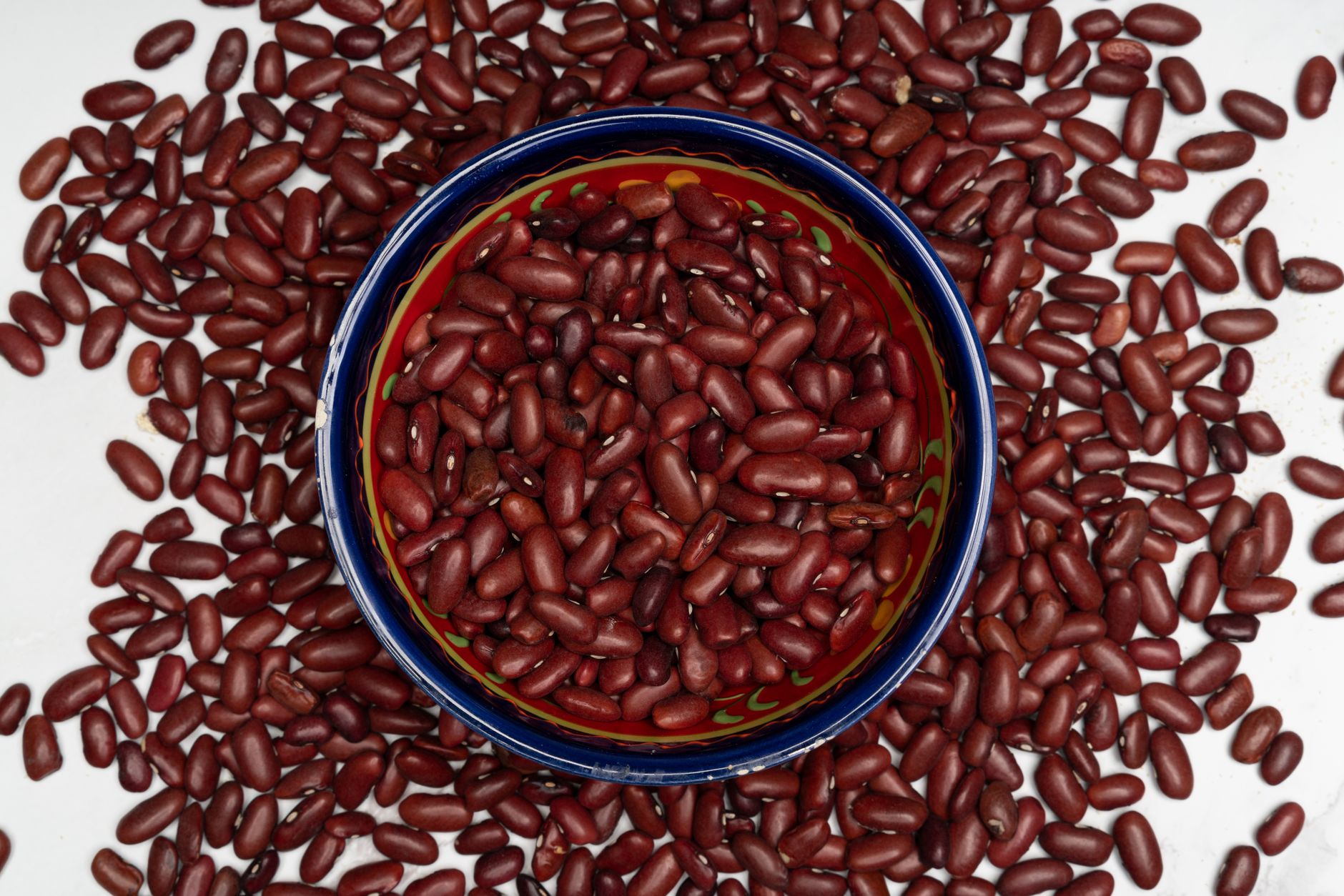
Red beans, often found in various culinary traditions, are a delicious and versatile legume. Rich in flavor, they can be used in soups, stews, salads, and casseroles. However, one of the essential aspects to consider when incorporating red beans into your diet is their protein content.
This article delves into the amount of protein in red beans, how they fit into different serving sizes, and the nutritional benefits they offer. You’ll learn how to include more red beans in your meals and what servings provide optimal protein intake.
How Much Protein in Red Beans?
Red beans are a good source of protein for those following plant-based diets. On average, a standard 1-cup serving (approximately 177 grams) of cooked red beans contains about 15.35 grams of protein. This protein content makes them an excellent option for vegetarians and vegans, as well as anyone looking to increase their protein intake while minimizing animal products.
To understand the protein content better, let’s discuss the variations based on serving size and how they compare to other common protein sources.
Protein Content by Serving Size
Understanding how much protein is in red beans relative to serving sizes is crucial for meal planning. Here’s a breakdown of the protein content based on typical serving sizes:
| Serving Size | Protein Content (grams) |
|---|---|
| 1/2 cup cooked (approximately 88 grams) | 7.67 grams |
| 1 cup cooked (approximately 177 grams) | 15.35 grams |
| 1/4 cup dried (approximately 48 grams) | 6.38 grams |
| 1 cup of canned (approximately 260 grams) | 13.16 grams |
Nutritional Profile of Red Beans
Beyond protein, red beans offer a wide range of nutritional benefits. Here’s a quick overview of their nutritional profile based on a 1-cup serving of cooked red beans:
- Calories: 225
- Protein: 15.35 grams
- Carbohydrates: 40.36 grams
- Dietary Fiber: 13.1 grams
- Fat: 0.9 grams
- Iron: 3.93 mg (22% DV)
- Magnesium: 45 mg (11% DV)
- Potassium: 607 mg (17% DV)
- Folate: 45 mcg (11% DV)
As you can see from this profile, red beans are not only high in protein but also provide a significant amount of dietary fiber, essential vitamins, and minerals. The fiber content is especially beneficial for digestive health and can help with satiety.
Health Benefits of Red Beans
Incorporating red beans into your diet can provide several health benefits:
- Heart Health: The fiber, potassium, and low-fat content in red beans contribute to cardiovascular health. Fiber helps lower cholesterol levels, while potassium regulates blood pressure.
- Stabilizing Blood Sugar: The high fiber content slows digestion, which helps regulate blood sugar levels. This is particularly beneficial for individuals with diabetes.
- Weight Management: Red beans can aid in weight management due to their high protein and fiber content, which promote satiety and reduce overall calorie intake.
- Rich in Antioxidants: Red beans contain various antioxidants, which can neutralize free radicals and reduce the risk of chronic diseases.
How to Cook Red Beans
Cooking red beans properly is key to enjoying their flavor and health benefits. Here’s a step-by-step guide on how to prepare dried red beans:
- Rinse: Rinse 1 cup of dried red beans to remove any dirt or debris.
- Soak: Soak the beans in a large bowl with at least 3 cups of water overnight. This helps to soften the beans and reduces cooking time.
- Drain: After soaking, drain the beans and rinse them again under cold water.
- Cook: In a large pot, add the soaked beans and cover them with fresh water, about 2-3 inches above the beans. Bring to a boil over medium-high heat.
- Simmer: Once boiling, reduce the heat to low, cover, and let the beans simmer for about 60 to 90 minutes, or until tender. Check occasionally, adding water if needed.
- Season: After cooking, season the beans with salt or other spices according to your recipe or taste preference.
Red Bean Recipe Ideas
Red beans can be incorporated into a variety of dishes. Here are some delicious ideas:
- Red Beans and Rice: A classic dish, combining red beans with rice, spices, and vegetables. It’s flavorful and filling.
- Chili: Add red beans to your chili recipe for a heartier texture and added protein.
- Salads: Toss cooked red beans into salads for an extra protein punch and vibrant color.
- Soups and Stews: Enhance your soups or stews by including red beans, which add depth and nutrition.
Practical Substitutions for Red Beans
If you can’t find red beans or prefer to use a different legume, here are some alternatives that work well in recipes:
- Pinto Beans: Similar in texture and flavor, they can be used interchangeably in most recipes.
- Kidney Beans: These have a slightly different flavor but work well in soups, salads, and chili.
- Black Beans: While they have a different taste, black beans can add a unique twist to traditional recipes.
Common Mistakes and Troubleshooting
When cooking red beans, some common mistakes can impact the final dish. Here are tips to avoid issues:
- Under-soaking: Not soaking your beans long enough can lead to longer cooking times and uneven texture.
- Salt Timing: Adding salt too early in the cooking process can result in tough beans. Wait until they are tender before seasoning.
- Cooking Time: Cooking beans for too long can lead to mushiness. Start checking for tenderness around the 60-minute mark.
Storage and Reheating Guidelines
Proper storage and reheating of red beans can ensure they maintain their flavor and texture:
- Refrigeration: Store cooked red beans in an airtight container in the refrigerator for up to 5 days.
- Freezing: You can freeze cooked red beans for up to 3 months. Cool them, portion them into bags, and label them with the date.
- Reheating: Reheat cooked beans on the stovetop over low heat, adding water or broth if necessary, to prevent them from drying out.
Conclusion
Red beans are a nutritious and versatile food that can easily fit into your diet. With substantial protein content, they are perfect for a variety of meals ranging from salads to soups and sides. Now that you know how much protein is in red beans and how to prepare them, consider integrating this legume into your next meal planning session to enjoy its numerous health benefits.
Explore delicious dishes and cooking tips further by checking out related resources like our red bean paste recipe and protein granola recipe.