
Egg whites are a popular ingredient in many kitchens, revered for their high protein content and versatile uses. If you’ve ever asked yourself, “How much protein is in half a cup of egg whites?” you’re not alone. Understanding the nutritional benefits of egg whites can help you make informed choices for your diet.
This article will detail the protein content in half a cup of egg whites, explore their culinary uses, discuss substitutions, and offer tips on how to incorporate them into your meals effectively. Let’s dive into the nutritional profile and culinary potential of this incredible ingredient.
How Much Protein in Half Cup Egg Whites?
In half a cup of egg whites, you can expect to find approximately 13-15 grams of protein. This makes egg whites an excellent choice for those looking to increase their protein intake without adding significant calories or fat to their diet.
Understanding Egg Whites
Egg whites are the clear liquid part of an egg that surrounds the yolk. They are rich in protein and low in calories, making them a favored ingredient in various diets, especially for those seeking lean protein sources. Beyond protein, egg whites contain essential amino acids, which are the building blocks of proteins needed for muscle health, repair, and overall bodily functions.
Nutritional Breakdown
Besides being a significant protein source, egg whites contain minimal fats and carbohydrates. Here’s a quick look at what you can typically find in half a cup (approximately 4 large egg whites):
| Nutrient | Amount |
|---|---|
| Calories | 60 |
| Protein | 13-15 grams |
| Fat | 0 grams |
| Carbohydrates | 0-1 grams |
| Sodium | 110 mg |
| Vitamins and Minerals | Trace amounts of potassium, riboflavin, and selenium |
Culinary Uses of Egg Whites
Egg whites are incredibly versatile and can be used in various dishes, from fluffy meringues to protein-packed omelets. Here are some popular culinary applications:
- As a Binding Agent: Egg whites can help bind ingredients together in recipes like meatballs, veggie patties, and baked goods.
- Fluffy Omelets: Whipping egg whites until frothy and then folding them into whole eggs creates a light, airy texture in omelets.
- Meringues: Beaten egg whites are the foundation of meringues, used in cookies, pies, and cakes.
- Soufflés: Egg whites create the structure and lift in soufflés, adding an impressive rise and a delicate texture.
- Protein Shakes: Some people add pasteurized egg whites to protein shakes for an extra protein boost without changing the flavor significantly.
Substitutions for Egg Whites
If you find yourself without egg whites or are looking for alternatives due to dietary restrictions, various substitutions can work in different recipes. Here are several reliable options:
- Silken Tofu: Blend silken tofu until smooth; use 1/4 cup to replace one egg white. It’s great for baking and adds protein.
- Applesauce: Though primarily a binding agent, 1/4 cup of applesauce can replace one egg white in baking and can contribute moisture.
- Chia Seeds: Mix 1 tablespoon of chia seeds with 2.5 tablespoons of water and let it sit until it gels. This is a suitable egg white substitute for binding.
- Flaxseed Meal: Similar to chia, mix 1 tablespoon of ground flaxseed with 2.5 tablespoons of water. Let it rest until it thickens; this will work well in recipes requiring binding.
Incorporating Egg Whites into Meals
Considering their high protein content, egg whites can easily be incorporated into various meals throughout the day. Here are some suggestions for breakfast, lunch, and dinner:
Breakfast Ideas
- Egg White Omelet: Fill an omelet with fresh vegetables like spinach, tomatoes, and onions. Top with a sprinkle of cheese for added flavor.
- Smoothie: Blend egg whites into your morning smoothie for a protein boost without altering the taste.
- Pancakes: Use egg whites in pancake batter to make them fluffy and light while increasing protein content.
Lunch Ideas
- Salads: Toss in sliced hard-boiled egg whites to salads for added protein, keeping the dish light and healthy.
- Quiches: Make a crustless quiche using egg whites, vegetables, and herbs for a satisfying, low-carb lunch option.
- Wraps: Create a protein-rich wrap using egg whites, veggies, and a smear of hummus or avocado.
Dinner Ideas
- Stir-Fry: Add beaten egg whites to vegetable stir-fries. They cook quickly and provide a protein-rich addition.
- Stuffed Peppers: Combine cooked egg whites with grains, beans, and spices as a stuffing for bell peppers.
- Soufflé: Create a light and airy cheese soufflé using egg whites and your choice of cheese for a gourmet touch.
Cooking Techniques with Egg Whites
Properly handling egg whites is crucial for achieving the best results in your dishes. Here are some essential techniques and tips:
Whipping Egg Whites
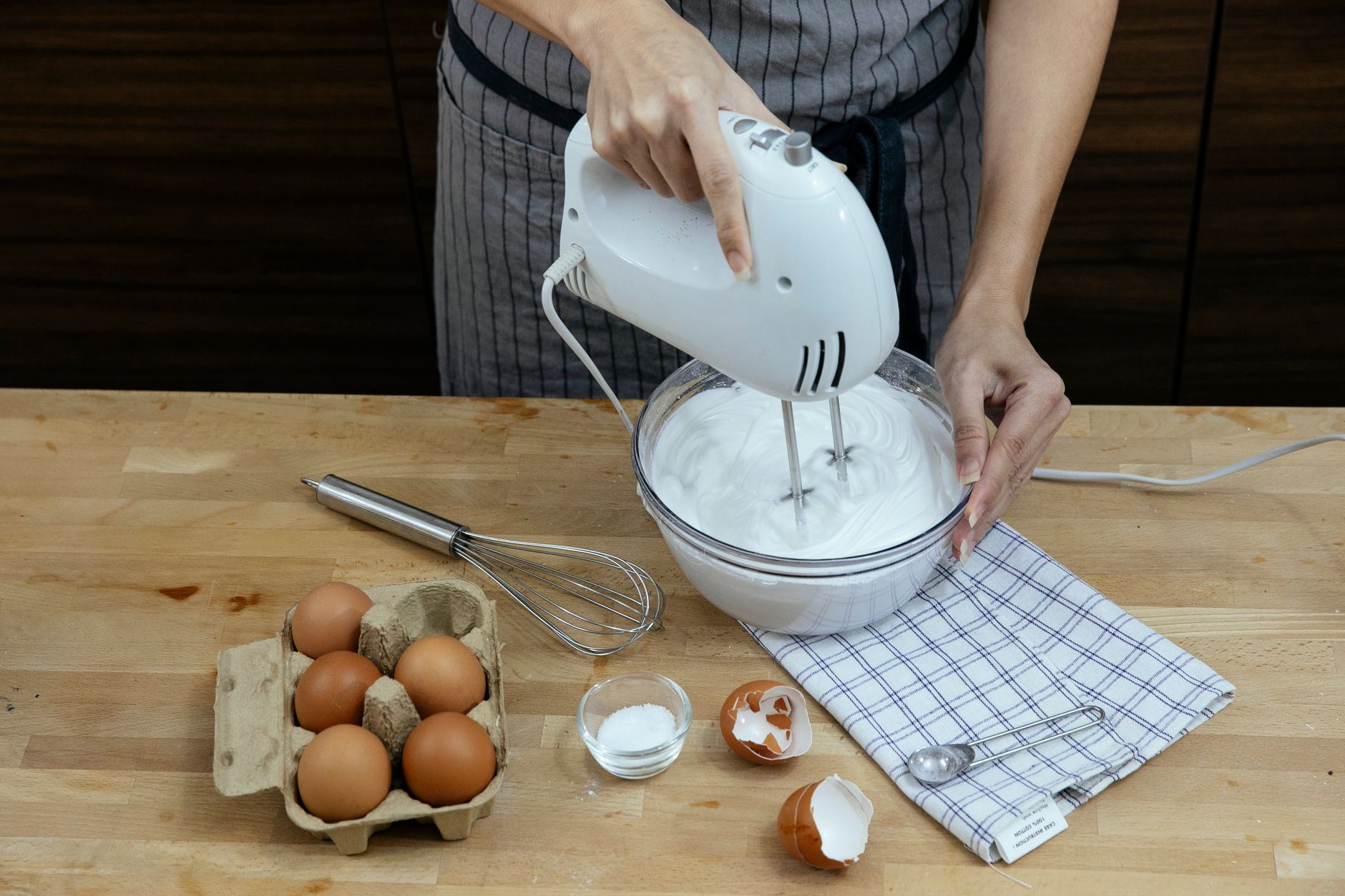
Whipping egg whites properly can make a significant difference in recipes that require volume and lightness. Follow these steps:
- Start with cold egg whites: Cold egg whites from the refrigerator whip up more effectively. If necessary, separate them when they are cold, then allow them to come to room temperature.
- Use a clean, dry bowl: Any grease or moisture can affect how well the egg whites whip. Make sure your mixing bowl is completely dry.
- Begin on low speed: Whip the egg whites on a low setting until frothy.
- Increase to medium/high speed: Whip until soft peaks form. At this point, you can gradually add sugar if making meringue. Continue until stiff peaks form when you lift the beaters.
Cooking Egg Whites
When cooking with egg whites, here are a few tips to keep in mind:
- Cooking Time: Egg whites cook quickly, often requiring just a few minutes over medium heat.
- Texture: Look for the whites to become opaque and firm. Avoid overcooking, which can make them rubbery.
- Flavor Additions: Consider seasoning your egg whites or adding herbs for enhanced flavor.
Common Mistakes When Cooking with Egg Whites
While cooking with egg whites can be straightforward, a few common missteps can lead to less-than-desirable results. Here are some pitfalls to avoid:
- Overwhipping: Taking whipped egg whites too far can cause them to become dry and break down. Stop whipping once stiff peaks form.
- Not Separating Properly: If even a tiny bit of yolk gets into your whites, they won’t whip properly. Crack eggs carefully to prevent yolk contamination.
- Using a Greasy Bowl: Ensure your mixing bowl is completely clean and dry. Any fat can prevent egg whites from whipping to their fullest potential.
Storage and Shelf Life of Egg Whites
Proper storage of egg whites is essential for food safety and maintaining quality. Here’s how to store them:
Fresh Egg Whites
- Fresh egg whites can be stored in the refrigerator for up to 4 days in a sealed container.
- For longer storage, consider freezing egg whites. They freeze well and can last for up to a year. Place them in an airtight container, and label with the date.
Commercial Egg Whites
- Carton egg whites can be stored unopened in the refrigerator until the expiration date on the package.
- Once opened, consume carton egg whites within 3 to 4 days to ensure freshness and safety.
Exploring Recipes Featuring Egg Whites
No guide on egg whites would be complete without offering some inspired recipes. Here are two simple but delicious recipes that showcase egg whites:
Fluffy Egg White Omelet
This egg white omelet is easy to prepare and customizable with your favorite fillings.
- Ingredients:
- 1/2 cup egg whites (about 4 large egg whites)
- 1/4 cup diced vegetables (such as spinach, bell peppers, or tomatoes)
- Salt and pepper to taste
- 1 tablespoon olive oil or cooking spray
- Optional: Cheese, herbs, or cooked meats of choice
- Instructions:
- In a bowl, whisk the egg whites until frothy.
- Heat olive oil in a non-stick skillet over medium heat.
- Add the diced vegetables and sauté until softened.
- Pour the egg whites over the vegetables and let them cook undisturbed for about 2-3 minutes until set.
- Top with cheese or herbs if desired, fold the omelet in half, and serve warm.
Classic Meringue Cookies
These crispy cookies are light and perfect for a sweet treat. Here’s how to make them:
- Ingredients:
- 2 large egg whites
- 1/2 teaspoon cream of tartar
- 1 cup granulated sugar
- 1 teaspoon vanilla extract
- Instructions:
- Preheat your oven to 225°F (110°C) and line a baking sheet with parchment paper.
- Beat the egg whites and cream of tartar in a clean bowl until soft peaks form.
- Gradually add sugar, continuing to beat until stiff peaks form, then mix in vanilla extract.
- Drop spoonfuls of meringue onto the prepared baking sheet, leaving space in between.
- Bake for about 1.5 hours or until the meringues easily lift off the parchment and are dry to the touch.
Conclusion
Egg whites are a nutrient-dense ingredient, packed with protein while remaining low in calories and fat. Whether you’re looking to enhance your breakfast with a fluffy omelet, create light meringues for desserts, or simply increase your protein intake throughout the day, egg whites provide endless possibilities.
Now that you know the protein content in half a cup of egg whites and how to utilize this versatile ingredient, it’s time to explore its culinary potential. Consider trying out the recipes provided, and don’t hesitate to experiment with the ingredient in your favorite dishes.
To enhance your cooking experience, check out our recipes for Starbucks Egg White Bites Recipe and indulge in delicious Protein Brownies Recipe. Happy cooking!