
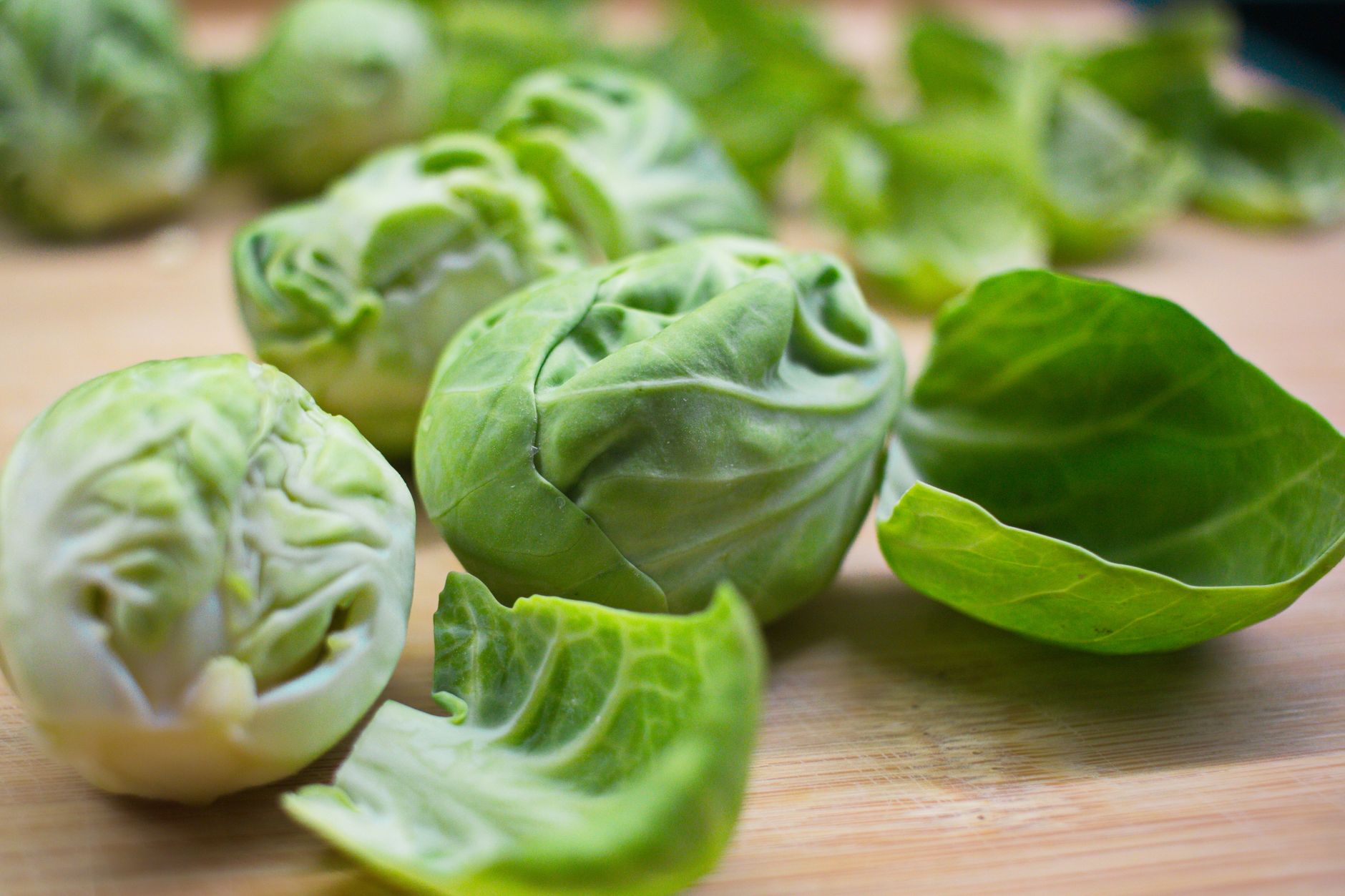
Brussels sprouts are a popular cruciferous vegetable known not only for their unique flavor but also for their impressive nutritional benefits. Among these, their protein content often raises questions about how they fit into a balanced diet. Understanding how much protein is in Brussels sprouts is useful for those tracking their macronutrient intake, especially for vegetarians or those seeking healthier meal options.
Beyond just protein, Brussels sprouts offer a host of vitamins and minerals that contribute to overall health. This article delves into the protein content of Brussels sprouts, their nutritional profile, and practical information on incorporating them into your meals.
How Much Protein in Brussels Sprouts?
Brussels sprouts contain about 3.4 grams of protein per 100 grams when cooked. This is a respectable amount for a vegetable, especially one that is low in calories—around 43 calories per 100 grams. In addition to protein, they are rich in dietary fiber, vitamins C and K, and several important phytonutrients.
Nutritional Profile of Brussels Sprouts
To better understand the benefits of Brussels sprouts, let’s take a closer look at their overall nutritional profile per 100 grams cooked:
- Calories: 43
- Protein: 3.4 grams
- Fat: 0.3 grams
- Carbohydrates: 9 grams
- Fiber: 3.8 grams
- Vitamin C: 85 mg (142% of the daily value)
- Vitamin K: 177 mcg (148% of the daily value)
- Folate: 61 mcg (15% of the daily value)
The high levels of vitamin C and K elevate Brussels sprouts above many mainstream vegetables. Vitamin C is crucial for immune function and skin health, while vitamin K plays an essential role in bone health and blood clotting.
Protein Quality in Brussels Sprouts
While Brussels sprouts are a good source of protein for a vegetable, they do not provide a complete protein source, meaning they lack some of the essential amino acids our bodies need. However, they can serve as a valuable protein source in plant-based diets when paired with other foods such as grains or legumes.
To ensure you meet your protein needs, consider combining Brussels sprouts with complementary protein sources. For example, pairing them with brown rice or quinoa can help create a more balanced amino acid profile.
Cooking Methods to Retain Nutrients
How you prepare Brussels sprouts can significantly impact their nutritional content. Here are a few common methods of cooking Brussels sprouts and how they affect nutrient retention:
Steaming
Steaming is one of the best cooking methods for Brussels sprouts. It helps to preserve their vitamin content, particularly vitamin C and folate. Steam for about 5-7 minutes until they are tender yet still bright green.
Roasting
Roasting Brussels sprouts at a temperature of 400°F (200°C) enhances their flavor and gives them a crispy texture—around 20-30 minutes typically works well. While this method caramelizes the sprouts, it may reduce some vitamin C content.
Sautéing
Sautéing Brussels sprouts in a bit of olive oil for about 7-10 minutes allows for quick cooking without much nutrient loss. It’s an effective and flavorful way to prepare them.
Adding Brussels Sprouts to Your Diet
Incorporating Brussels sprouts into your meals can be both tasty and nutritious. Here are some practical tips on how to add them to your diet:
Brussels Sprouts in Salads
Shaved Brussels sprouts can make an excellent addition to salads. They add a crunchy texture and pair well with nuts, seeds, and vinaigrette dressings.
Brussels Sprouts as a Side Dish
Serve them roasted or sautéed alongside your favorite protein, such as grilled chicken or salmon, to complement the meal. You can toss them with balsamic glaze or sprinkle with parmesan cheese for additional flavor.
Brussels Sprouts in Stir-Fries
Slice Brussels sprouts thinly and add them to stir-fries. Their flavor pairs well with Asian-inspired seasonings like soy sauce, ginger, and garlic.
Practical Portion Sizes
When planning meals, consider serving sizes of Brussels sprouts. A typical serving size for cooked Brussels sprouts is around 100 grams, equivalent to about 3-4 Brussels sprouts depending on their size. This portion provides the aforementioned nutritional benefits, including protein.
To help visualize portion sizes, here’s a quick guide:
- 1 cup of cooked Brussels sprouts: approx. 156 grams.
- 2 cups of cooked Brussels sprouts: approx. 312 grams.
Common Misconceptions about Brussels Sprouts
Brussels sprouts often receive mixed reactions primarily due to their strong flavor profile. However, there are several misconceptions about this vegetable that can be addressed:
Myth: Brussels Sprouts are Difficult to Cook
While there are particular cooking techniques that enhance their flavor, Brussels sprouts can be easily cooked using various methods, each providing delightful results.
Myth: All Brussels Sprouts Taste Bitter
Older, overcooked, or improperly cooked Brussels sprouts can develop a bitter flavor. Properly prepared and seasoned, Brussels sprouts can have a pleasantly mild and nutty taste.
Substitutions for Brussels Sprouts
If you’re looking to replace Brussels sprouts in a recipe, there are several options that can mimic their flavor and texture:
- Broccoli: A nutritious alternative with a similar look and slight bitterness.
- Green cabbage: Offers a similar taste profile when cooked.
- Kale: Though more leafy, kale can provide a hearty texture in salads.
Troubleshooting Common Cooking Issues
Here are some common problems people face when cooking Brussels sprouts, along with solutions:
Problem: Brussels Sprouts are Soggy
Ensure that you do not overcrowd the pan when roasting. Give them enough space to roast evenly and allow moisture to escape.
Problem: They Taste Bitter
This can result from the age of the Brussels sprouts. Choose fresh sprouts, and cook them correctly—overcooking can lead to bitterness.
Storage and Freshness
To keep Brussels sprouts fresh, store them unwashed in a perforated plastic bag in the refrigerator. They will last for up to a week. If you wash them before storage, they may spoil more quickly due to moisture.
When ready to prepare, trim the ends and remove any yellow or damaged leaves. Freshly harvested Brussels sprouts have a much better flavor than those that have been stored for an extended period.
Using Brussels Sprouts in Meal Planning
Incorporating Brussels sprouts into your weekly meal planning can provide variety and nutrition. Here are some ideas:
- Breakfast: Add roasted Brussels sprouts to an omelet or frittata for a healthy start to the day.
- Lunch: Include shaved Brussels sprouts in a grain bowl mixed with quinoa, beans, and dressing.
- Dinner: Serve roasted Brussels sprouts with a main dish like baked salmon or herb-seasoned chicken.
Including Brussels sprouts in various meals can enhance dietary variety and provide essential nutrients, all while keeping protein needs in check.
Conclusion
Brussels sprouts are an excellent source of protein among vegetables, offering versatility for both flavor and nutrition. They can easily be incorporated into various meals, yielding a delightful result every time. Keep experimenting with different cooking methods and pairings to find what you enjoy most. For a unique dish, consider trying shaved Brussels sprouts or explore other protein-rich recipes like protein brownies.
If you’re interested in cooking with Brussels sprouts, check out our recipes for shaved Brussels sprouts or indulge in something sweet with our protein brownies.