
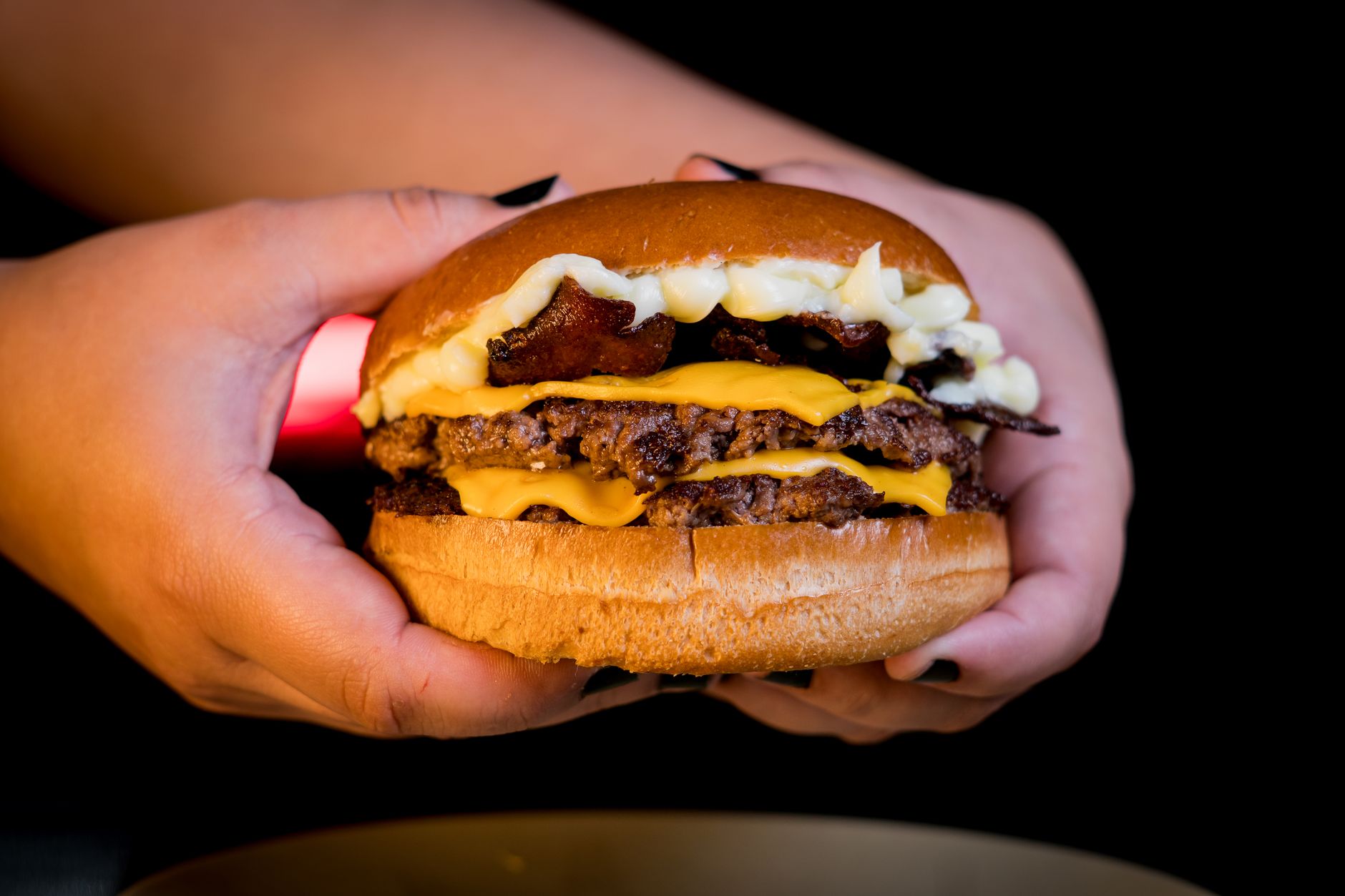
The Big Mac, famously known as a staple of fast-food culture, is more than just a satisfying meal option. As many consumers become increasingly health-conscious, understanding the nutritional content of their favorite foods—including how much protein is in a Big Mac—has become essential. This article delves into the protein content of a Big Mac, presenting detailed serving sizes and the broader implications of its nutritional values.
Whether you’re a fast-food aficionado or someone contemplating healthier dining choices, knowing the protein content can influence meal planning. With this knowledge, you’ll be better equipped to make informed decisions regarding your diet.
How Much Protein in a Big Mac?
A standard Big Mac contains about 25 grams of protein. This quantity is derived primarily from the beef patties, cheese, and other ingredients such as the bun. By understanding how this protein fits into your daily intake, you can determine its relevance in your meal choices.
Overview of the Big Mac
The Big Mac is a well-loved burger consisting of two all-beef patties, lettuce, cheese, pickles, onions, and the iconic special sauce, all sandwiched between a sesame seed bun. This combination offers a unique flavor profile characterized by savory beef, creamy sauce, and fresh vegetables, making it a satisfying meal for many.
Nutritional Breakdown of a Big Mac
In addition to protein, the Big Mac provides a balance of carbohydrates and fats, which can also impact your health and dietary goals. Let’s examine its overall nutritional profile:
| Nutrient | Amount per Big Mac |
|---|---|
| Calories | 540 |
| Protein | 25g |
| Total Fat | 28g |
| Saturated Fat | 10g |
| Carbohydrates | 46g |
| Sugar | 9g |
| Sodium | 950mg |
Breaking Down Protein Sources in a Big Mac
The 25 grams of protein in a Big Mac originate from several key components:
1. Beef Patties
The two all-beef patties contribute the most significant portion of the protein content. Each patty contains approximately 12.5 grams of protein, making beef the primary source.
2. Cheese
The slice of American cheese adds about 5 grams of protein. The melted cheese not only enhances the flavor but also contributes to the overall protein count.
3. Special Sauce
While the special sauce is not a major protein source, it contains some protein and adds to the overall meal experience, enhancing the taste profile.
4. Other Ingredients
Vegetables like lettuce, onions, and pickles add minimal protein, but they provide essential vitamins and improve the nutritional value of the meal.
Considerations for Protein Intake
For individuals monitoring their protein consumption, the Big Mac offers a quick, convenient option. However, it’s essential to consider the following:
Daily Protein Requirements
Protein needs vary based on age, sex, and activity level. For most adults, the Recommended Dietary Allowance (RDA) is about 46 grams for women and 56 grams for men. A Big Mac can fit nicely into this requirement as a source of protein, but it should be balanced with other meals throughout the day.
Protein Quality
The protein quality in a Big Mac is considered moderate, as it provides essential amino acids. However, relying solely on fast food for protein intake may not be ideal due to the high levels of saturated fat and sodium. Incorporating lean proteins like chicken, fish, beans, and legumes can provide better nutritional value.
Dietary Preferences
For those with specific dietary preferences or restrictions, such as vegetarians or individuals looking to maximize lean protein intake, a Big Mac may not be suitable. Exploring alternative protein sources can lead to healthier, more balanced meals.
How to Enjoy a Big Mac Within a Balanced Diet
While indulging in a Big Mac occasionally is fine, here are some practical tips for incorporating it into a balanced diet:
- Pair the Big Mac with a side salad instead of fries; this enhances vegetable intake while reducing calorie density.
- Consider sharing the burger, especially for children, to limit portion sizes.
- Rotate burger days with days filled with lean proteins and veggies to maintain a diverse diet.
- Stay mindful of additional condiments that can add unnecessary calories and sodium.
- Explore homemade versions of the Big Mac that allow for healthier ingredient modifications, such as whole grain buns or turkey patties.
Healthy Alternatives to the Big Mac
If you’re looking for healthier alternatives that still satisfy a craving for burgers but with more balanced nutritional profiles, consider the following options:
1. Grilled Chicken Sandwich
A grilled chicken sandwich typically offers less fat and fewer calories while providing a similar protein content. Opt for whole grain buns for added fiber.
2. Veggie Burger
For vegetarians or those wanting to reduce meat consumption, veggie burgers using beans or lentils can be a nutritious and protein-packed choice. Look for options that use whole ingredients.
3. Homemade Big Mac
Crafting your own Big Mac allows you to control ingredient quality. Using lean ground beef or alternatives provides proteins without the high-fat content, and adding additional vegetables increases fiber.
Conclusion
The Big Mac contains approximately 25 grams of protein, contributing to its appeal as a quick meal choice. However, awareness of its broader nutritional impact is essential for healthy eating. As with all fast-food items, moderation is key. Balance it with other nutrient-rich foods to meet dietary goals.
Discover additional recipes and learn about other food guides to expand your culinary outreach. Explore how to make protein brownies or consider trying out our protein cookie recipe.