
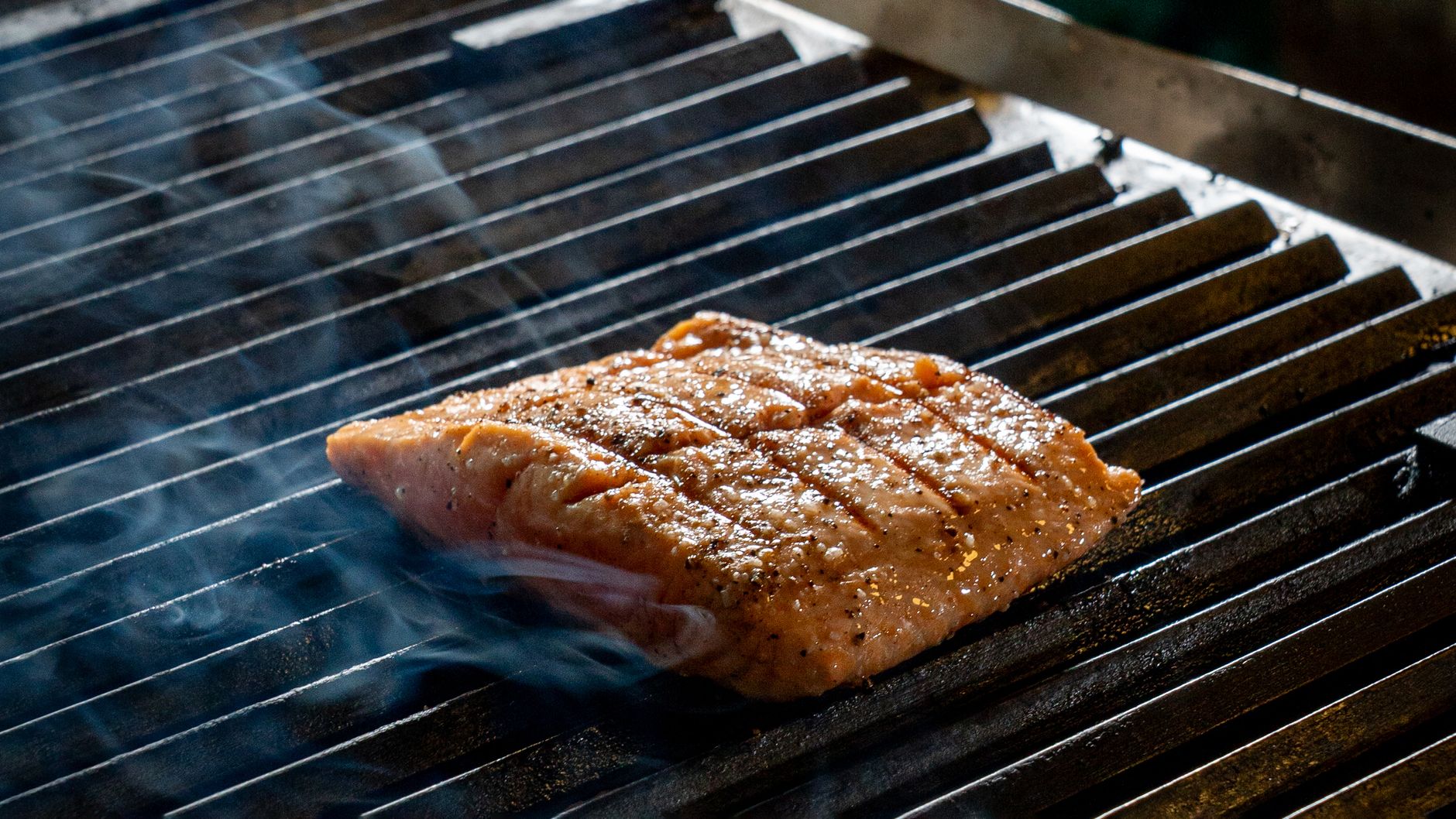
Salmon is not only a popular fish known for its rich flavor and tender texture, but it is also a powerhouse of nutrition, particularly protein. Many people wonder how much protein is present in a typical serving size of salmon, especially in a portion like 8oz. Understanding the protein content of salmon can assist in meal planning, particularly for those looking to increase their protein intake.
In this article, we’ll explore how much protein is found in 8oz of salmon, what factors can influence the protein content, and the various health benefits associated with including salmon in your diet. We’ll also discuss how to cook salmon, recipe ideas, and tips for incorporating this nutritious fish into your meals.
How Much Protein in 8oz of Salmon?
An 8oz serving of cooked salmon typically contains approximately 50 to 56 grams of protein. The exact amount may vary slightly depending on the type of salmon and its cooking method. Salmon is considered an excellent source of high-quality protein, as it contains all the essential amino acids your body needs.
The Nutritional Benefits of Salmon
Aside from being rich in protein, salmon offers many additional health benefits. Here’s a closer look at why including salmon in your diet can be advantageous:
- Omega-3 Fatty Acids: Salmon is one of the best sources of omega-3 fatty acids, which are known for their anti-inflammatory properties and heart health benefits.
- Vitamins and Minerals: Salmon is rich in several essential vitamins and minerals, including Vitamin B12, Vitamin D, selenium, and phosphorus.
- Heart Health: Consuming salmon regularly can support heart health due to its omega-3 content, which may help lower blood pressure and reduce cholesterol levels.
- Brain Function: Omega-3 fatty acids also contribute to brain health and may improve cognitive function and memory.
Types of Salmon
There are several types of salmon, each with its flavor profile and nutritional content. The most common types include:
- Atlantic Salmon: Often farmed, this type has a higher fat content and is well-known for its rich taste.
- Chinook (King) Salmon: This variety is prized for its high oil content, which contributes to its rich flavor and tender texture.
- Coho Salmon: Coho has a moderate fat level and a milder taste compared to Chinook, making it versatile for cooking.
- Sockeye Salmon: Known for its vibrant red flesh and robust flavor, sockeye is often considered a higher-quality option.
- Pink Salmon: This is the most common variety, usually less expensive and with a milder flavor, often used in canned products.
Cooking Methods That Affect Protein Content
The cooking method can affect the protein content of salmon as well as its overall nutritional profile. Here are some common methods:
- Grilling: Grilling salmon retains most of its protein content while enhancing its natural flavors.
- Baking: Baking is a gentle cooking method that helps preserve nutrients while ensuring even cooking.
- Poaching: This method involves cooking salmon gently in water or broth, yielding a moist texture while keeping the protein intact.
- Smoking: Traditionally done in a smoker, this method can enhance flavor but should be done with care to minimize added sodium.
- Searing: Searing salmon creates a crispy exterior and tender interior; it’s quick and preserves the protein well.
How to Cook Salmon: Step-by-Step Guide
Cooking salmon at home can be simple and rewarding. Here is a basic guide for grilling salmon that ensures optimal flavor and texture.
Cooking Equipment Needed
- Grill (gas or charcoal)
- Fish spatula
- Cooking spray or oil
Ingredients
- 8oz salmon fillet
- Olive oil (1 tablespoon)
- Salt and pepper, to taste
- Optional: lemon slices and herbs for garnish
Step-by-Step Instructions
- Preheat the grill to medium-high heat.
- Pat the salmon dry with a paper towel and brush both sides with olive oil. Season with salt and pepper.
- Once the grill is hot, place the salmon skin-side down on the grill grates. Cook for about 4 to 6 minutes without moving it.
- Carefully flip the salmon using a fish spatula and cook for another 3 to 5 minutes, or until it flakes easily with a fork.
- Remove the salmon from the grill and let it rest for a few minutes. Serve with lemon slices and herbs, if desired.
Substitutions and Variations
If you don’t have salmon on hand, here are some suitable protein substitutes that can also be prepared in a similar way:
- Trout: Similar in flavor and texture, trout is an excellent alternative that also provides high-quality protein.
- Tilapia: A mild flavor fish that can work well in the same recipes, though it has a different texture.
- Chicken Breast: If you’re looking for a lean protein alternative, chicken breast can be used, though cooking times will differ.
- Tofu: For a plant-based option, firm tofu can be marinated and grilled as a protein-rich substitute.
Common Mistakes to Avoid When Cooking Salmon
To ensure perfect salmon every time, here are some common pitfalls to avoid:
- Overcooking: Salmon is best when cooked to medium rare, around 125°F. Use a food thermometer to check.
- Skipping the skin: Cooking salmon with the skin on can help retain moisture and flavor; consider leaving it on.
- Not preheating the grill or pan: Ensuring your cooking surface is hot before adding salmon helps achieve a better texture.
- Neglecting seasoning: Salmon benefits greatly from simple seasonings; even just salt and pepper can elevate its taste.
Recipes Featuring Salmon
Integrating salmon into your meals can be delightful and nutritious. Here are a few recipe ideas that highlight how to enjoy salmon:
Salmon Salad
A light and refreshing option for lunch or dinner:
- 4oz cooked salmon, flaked
- Mixed greens
- Cherry tomatoes, halved
- Cucumber, diced
- Balsamic vinaigrette
Combine all ingredients and enjoy a protein-packed salad.
Salmon Tacos
These brain-boosting tacos offer a nutritious twist:
- 8oz cooked salmon, flaked
- Soft taco shells
- Cabbage slaw
- Avocado slices
- Sour cream or yogurt
Assemble the tacos with a generous topping of slaw and avocado.
Salmon Pasta
A creamy pasta dish that combines flavors beautifully:
- 8oz cooked salmon, flaked
- Cooked pasta of your choice
- Creamy sauce (like alfredo or a yogurt-based sauce)
- Fresh herbs (like dill or basil)
Mix well and serve for a comforting and filling meal.
Meal Planning with Salmon
Incorporating salmon into your meal planning can be simple and effective. Here are tips for making the most of your salmon meals:
- Batch Cook: Prepare larger portions of salmon and store leftovers for quick meal additions during the week.
- Pair with Vegetables: Match salmon with seasonal vegetables for balanced meals packed with nutrients.
- Use Different Cooking Methods: Vary your cooking methods throughout the week to keep meals interesting and prevent monotony.
Storing Leftover Salmon
Proper storage is critical for maintaining the quality of any leftover salmon. Follow these guidelines:
- Cool salmon: Allow cooked salmon to cool to room temperature before placing it in an airtight container.
- Refrigerate: Store in the refrigerator for up to 3 days. Ensure it’s wrapped tightly to prevent moisture and odors.
- Freezing: For longer storage, you can freeze leftover salmon for up to 3 months. Be sure to wrap in plastic wrap and then in aluminum foil or a freezer-safe bag.
- Reheating: Reheat in the oven at a low temperature (around 300°F) or in the microwave but avoid overcooking.
Conclusion
Salmon is a nutritious and versatile protein source that can bring excellent health benefits and delicious flavor to your meals. With approximately 50 to 56 grams of protein in an 8oz serving, it’s a fantastic choice for anyone looking to boost their protein intake. Enjoy experimenting with different cooking methods, pairings, and recipes to incorporate this delicious fish into your diet.
If you’re interested in learning more about food storage, don’t miss our guide on how long cooked ground beef is good in the fridge. You might also enjoy our protein brownies recipe for a sweet treat high in protein!