
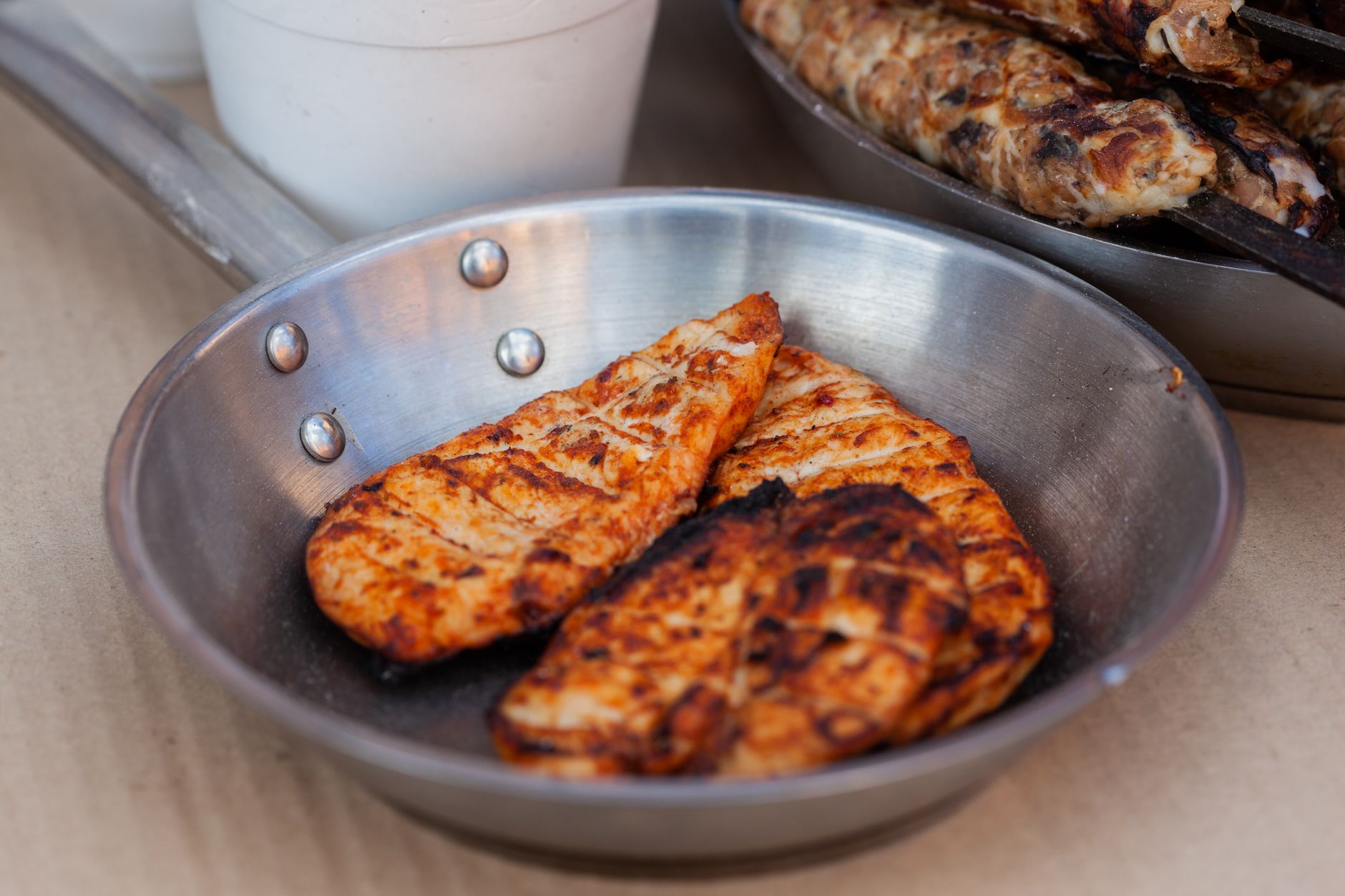
Understanding nutrition is an essential part of maintaining a healthy diet, and protein plays a pivotal role in our daily intake. One common source of protein is chicken breast, particularly in the form of baked or grilled chicken. In this article, we will delve into how much protein is found in a 6 oz chicken breast, ways to cook it, and its benefits in meal planning.
Whether you’re looking to boost your dietary protein intake for muscle building, weight management, or simply to maintain a balanced diet, knowing how much protein is in your food is key. Chicken breast is a popular choice among fitness enthusiasts and home cooks alike, thanks to its versatility and high protein content.
How Much Protein In 6 Oz Chicken Breast?
A 6 oz cooked chicken breast typically contains around 50 to 55 grams of protein. This significant amount makes chicken breast an excellent choice for those aiming to increase their protein intake. The protein content can vary slightly based on cooking methods or specific cuts, but in general, chicken breast is one of the leanest protein sources available.
Protein Content Breakdown
To understand why chicken breast is such a favored protein source, let’s break down its nutritional profile, particularly focusing on protein.
- Protein: Approx. 50-55 grams
- Calories: About 280-300 calories
- Fat: Roughly 6 grams (mostly unsaturated)
- Carbohydrates: 0 grams
- Sodium: 60-90 mg (depending on seasoning)
The Importance of Protein
Protein is crucial for various bodily functions, including:
- Muscle repair and growth
- Supporting immune function
- Producing enzymes and hormones
- Providing energy
For anyone active, whether through workouts or daily activities, having enough protein in your diet helps to ensure muscle health. Chicken breast is particularly popular due to its high protein content and low carbohydrate content, making it suitable for various dietary preferences such as low-carb and keto diets.
Culinary Uses of Chicken Breast
Chicken breast is exceptionally adaptable and can be cooked through various methods, making it suitable for many dishes. Here are some preparation methods along with popular recipes:
Grilling
Grilling chicken breast imparts a smoky flavor while retaining moisture. Marinating the chicken beforehand can enhance its taste. A simple marinade might include olive oil, lemon juice, garlic, and herbs.
- Preheat the grill to medium-high heat.
- Pound the chicken breast to an even thickness for even cooking.
- Marinate the chicken for at least 30 minutes.
- Grill each side for about 6-7 minutes or until internal temperature reaches 165°F.
Baking
Baking is a hassle-free technique that ensures even cooking. Here’s a classic baked chicken breast recipe:
- Preheat the oven to 375°F.
- Season the chicken with salt, pepper, and your choice of spices.
- Place the chicken in a baking dish and cover it with foil.
- Bake for about 25-30 minutes, removing the foil in the last 10 minutes to allow for browning.
- Check the internal temperature to ensure it reaches 165°F.
Sautéing
Sautéing chicken breast in a pan with a bit of oil results in a beautifully seared exterior. This method is ideal for stir-fries or quick weeknight dinners.
- Heat oil in a skillet over medium-high heat.
- Cut the chicken into thin strips for quicker cooking.
- Sauté for about 5-7 minutes, stirring frequently, until cooked through.
- Make sure the chicken pieces reach 165°F internally.
Slow Cooking
If you prefer a set-it-and-forget-it method, slow cooking is an excellent option. This technique is particularly nice for making shredded chicken, perfect for tacos or salads.
- Place the chicken breast in the slow cooker and season as desired.
- Add a cup of broth or sauce for flavor.
- Cook on low for 6-8 hours or high for 3-4 hours.
- Shred the chicken with forks once done.
Substitutions and Variations
If you’re looking to experiment with flavors or need to adjust your meals, consider the following substitutions:
- Tofu or tempeh for a plant-based protein alternative, adjusting cooking times as necessary.
- Turkey breast as a lean alternative with a similar flavor profile.
- Pork tenderloin for a different meat option that still provides a significant protein level.
Common Mistakes When Cooking Chicken Breast
A few common mistakes can lead to dry, tough chicken breast. Here’s what to avoid:
- Overcooking: Use a meat thermometer to ensure the internal temperature reaches 165°F, but no more.
- Lack of seasoning: Chicken breast can be bland. Don’t be shy with herbs and spices.
- Skipping the resting period: Let the chicken rest for a few minutes after cooking to retain its juices.
Meal Planning with Chicken Breast
Incorporating chicken breast into your meal plan offers numerous benefits. Here are some strategies to consider:
- Batch cooking: Prepare a large quantity of chicken at the beginning of the week for quick meals.
- Variety: Use different seasonings and cooking methods to keep meals interesting throughout the week.
- Portion control: Divide cooked chicken into portions to help manage serving sizes and reduce waste.
Storage and Reheating
Proper storage of cooked chicken is essential for food safety:
- Refrigerate cooked chicken within two hours of cooking.
- Store in an airtight container for up to three to four days.
- To freeze, wrap in foil or freezer bags, where it can last up to six months.
- To reheat, ensure the chicken reaches an internal temperature of 165°F before consumption.
Conclusion
Chicken breast provides an excellent protein source, with around 50 to 55 grams of protein per 6 oz serving. It is versatile, easy to prepare, and can be included in numerous dishes to meet dietary needs.
For a deeper dive into cooking techniques, check out our guide to sous-vide chicken breast to explore a different preparation method, or discover our protein cookies recipe for a tasty, high-protein treat. With chicken breast in your meal rotation, achieving your protein goals can be both delicious and straightforward.