
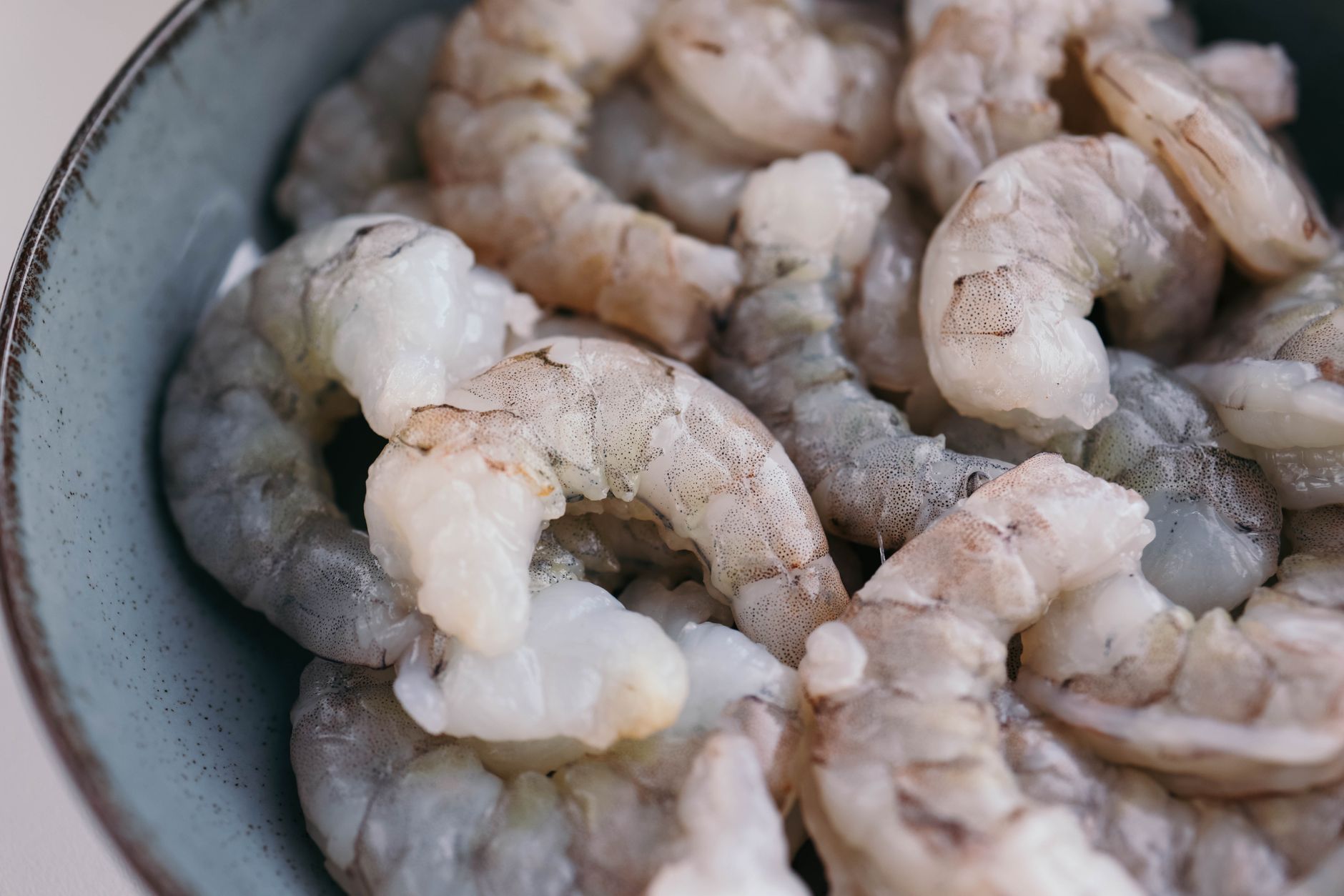
When it comes to seafood, shrimp is a popular choice for its flavor and versatility. Not only is it delicious, but shrimp is also a great source of protein, making it an ideal option for those looking to boost their intake. If you’re wondering how much protein is in one shrimp and how it fits into your overall dietary plans, you’re in the right place.
This comprehensive guide will explore the protein content in shrimp, various serving sizes, how to cook shrimp, and tips for incorporating it into your meals. We will also mention some recipes to try, ensuring that you can enjoy this tasty seafood while meeting your nutritional needs.
How Much Protein in 1 Shrimp?
One medium-sized shrimp (about 10-15 grams) contains approximately 1.5 to 2 grams of protein. This estimate can vary depending on the size and cooking method of the shrimp. Shrimp is not only high in protein but also low in calories, making it a nutritious addition to any diet.
The Nutritional Profile of Shrimp
Before diving deeper into protein content, let’s take a look at what shrimp offers nutritionally. Besides being a great source of protein, shrimp contains several essential nutrients:
- Vitamins: Shrimp is rich in vitamins such as B12, niacin, and riboflavin.
- Minerals: It contains a good amount of selenium, phosphorus, and copper, which are vital for various bodily functions.
- Omega-3 Fatty Acids: Shrimp provides some omega-3s, which are beneficial for heart health.
- Low in Fat: In addition to being a lean protein, shrimp is low in total fat and cholesterol, making it heart-friendly.
Different Sizes of Shrimp and Their Protein Content
Now that you know the protein content of an individual shrimp, let’s explore how that varies with shrimp size. Shrimp are typically categorized by their count per pound, and here’s a breakdown of the protein content based on size:
| Shrimp Size | Count per Pound | Protein per Shrimp |
|---|---|---|
| Peeled Shrimp (Small) | 51-60 | 1.5 g |
| Peeled Shrimp (Medium) | 41-50 | 2 g |
| Peeled Shrimp (Large) | 31-40 | 2.5 g |
| Peeled Shrimp (Jumbo) | 21-25 | 3 g |
When Cooking Shrimp, Does Protein Content Change?
The cooking process can slightly alter the overall weight and moisture content of shrimp, but it does not significantly change the protein content. Cooking methods such as boiling, grilling, or sautéing will usually retain most of the protein. However, be cautious of overcooking, as this can lead to a rubbery texture.
How to Incorporate Shrimp into Your Meals
Incorporating shrimp into your diet can be deliciously simple. Here are several ideas for adding shrimp to your daily meals:
- Salads: Top a bed of greens with grilled or boiled shrimp for added protein.
- Pasta Dishes: Shrimp pairs well with pasta in dishes like shrimp Alfredo or shrimp scampi.
- Stir-Fries: Add shrimp to stir-fries along with vegetables for a quick and nutritious meal.
- Soups: Shrimp is great in soups such as gumbo or shrimp chowder.
- Tacos: Use sautéed shrimp as a filling for tacos, topped with fresh salsa and avocado.
Cooking Techniques for Shrimp
There are several cooking methods to prepare shrimp. Each method can yield different flavors and textures, but all are relatively quick. Here are some common techniques:
Boiling
- Bring a large pot of water to a boil and season with salt.
- Add the shrimp and cook for 2-3 minutes or until they turn pink.
- Drain and place in an ice bath to stop the cooking process.
Grilling
- Preheat your grill to medium-high heat and thread shrimp onto skewers.
- Brush with olive oil and season as desired.
- Grill for 2-3 minutes per side, until opaque.
Sautéing
- Heat a skillet over medium heat and add oil or butter.
- Add minced garlic or other aromatics and cook for 30 seconds.
- Add shrimp and cook for 3-4 minutes until they turn pink, stirring frequently.
Common Mistakes When Cooking Shrimp
Though cooking shrimp is straightforward, several common mistakes could affect the final dish. Here are tips to avoid those pitfalls:
- Overcooking: Shrimp cook quickly. Watch closely to avoid a tough texture.
- Not Cleaning Properly: Always devein and clean shrimp before cooking to enhance the taste.
- Ignoring Freshness: Always purchase shrimp that is fresh or properly frozen. Look for clear shells and mild scent.
Practical Tips for Cooking and Storing Shrimp
Here are additional tips to keep in mind when cooking or storing shrimp:
- Thawing: For frozen shrimp, thaw them in the refrigerator overnight or submerge them in cold water for quicker results before cooking.
- Storage: Store any leftover cooked shrimp in an airtight container in the refrigerator for up to 3 days.
- Freezing Shrimp: Cooked shrimp can be frozen for up to 3 months. However, raw shrimp has a slightly longer freezer life.
Recipes Containing Shrimp
Now that you understand shrimp’s nutritional value and cooking methods, let’s look at two delicious recipes featuring shrimp.
Creamy Coconut Shrimp
This dish combines shrimp with a rich coconut sauce, perfect for pairing with rice.
- Ingredients:
- 1 lb large shrimp, peeled and deveined
- 1 can coconut milk
- 3 cloves garlic, minced
- 1 tablespoon ginger, minced
- 2 tablespoons lime juice
- 1 tablespoon fish sauce
- Fresh cilantro for garnish
- In a pan, heat a bit of oil and sauté garlic and ginger.
- Add coconut milk, lime juice, and fish sauce; let it simmer for 5 minutes.
- Then, add shrimp and cook until they turn pink, about 3-4 minutes.
- Serve garnished with cilantro over rice.
Shrimp Egg Rolls
Crunchy egg rolls filled with shrimp make for a savory appetizer or snack.
- Ingredients:
- 1 lb shrimp, minced
- 1 cup cabbage, shredded
- 2 carrots, grated
- 2 green onions, chopped
- 1 package egg roll wrappers
- Oil for frying
- Mix shrimp, cabbage, carrots, and onions in a bowl. Season as desired.
- Place a spoonful of the filling in each egg roll wrapper and roll tightly.
- Heat oil in a pan and fry the egg rolls until golden brown.
Conclusion
Including shrimp in your meals not only enhances flavor but also boosts your protein intake, making it an excellent choice for many dietary plans. With approximately 1.5 to 3 grams of protein per shrimp, depending on size, you can easily meet your nutritional goals.
To continue exploring delightful recipes, cooking tips, and food guides, consider checking out these resources: Creamy Coconut Shrimp Recipe, Shrimp Egg Roll Recipe.