
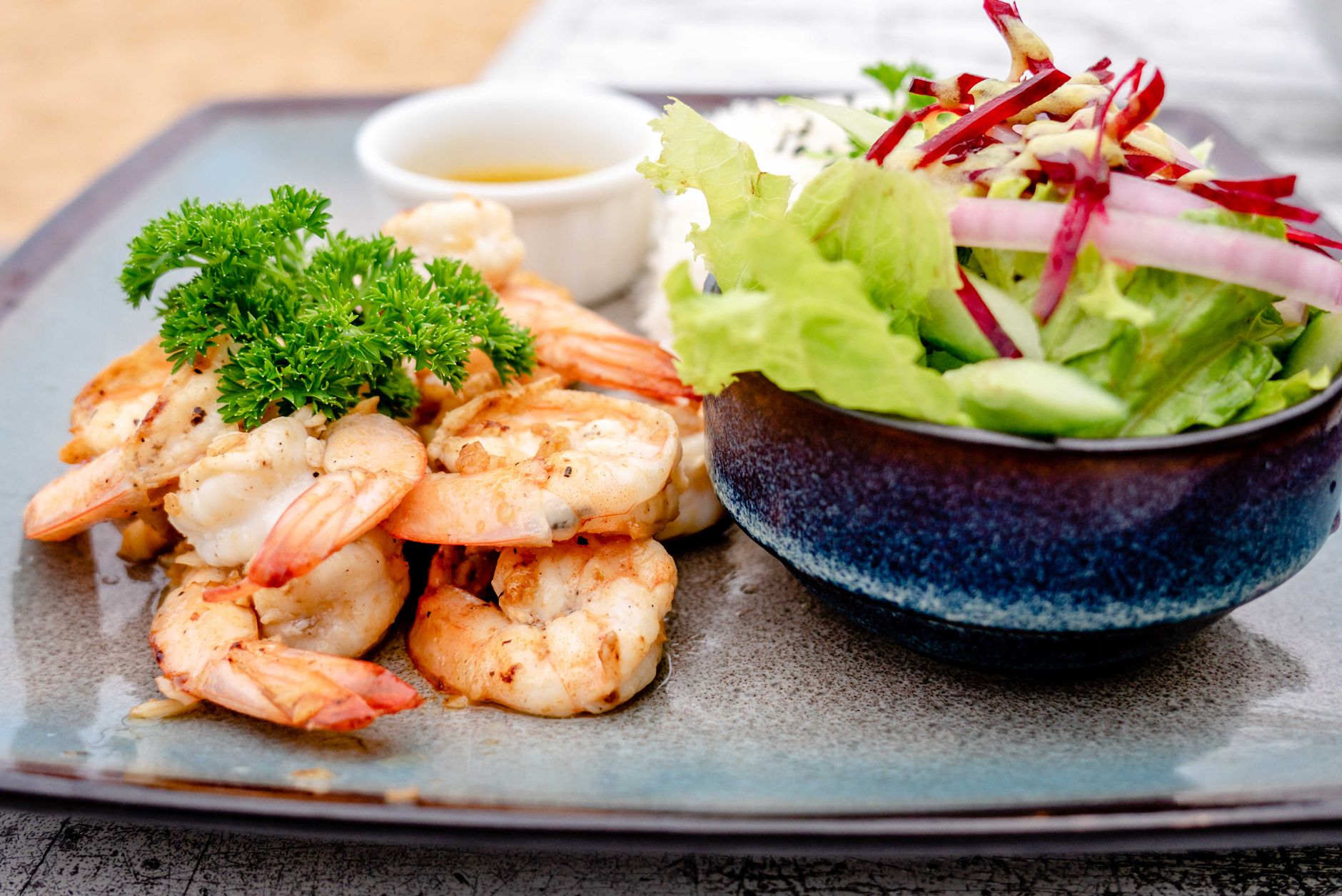
Shrimp is a popular seafood choice that offers not only incredible flavor but also a wealth of nutritional benefits. Among these benefits, one of the standout features of shrimp is its impressive protein content. This article explores how much protein is found in shrimp, its nutritional profile, and ways to incorporate it into your meals.
Understanding the protein content in shrimp can help you make informed dietary choices, especially for those looking to add quality protein sources to their plates. This article will cover the details of shrimp’s nutritional value, cooking methods, and some delicious recipes to try.
How Much Protein Does Shrimp Have?
Shrimp is renowned for being a great source of protein. On average, a 3-ounce serving of cooked shrimp contains about 20–24 grams of protein, depending on the type and cooking method. This makes it an excellent option for those looking to increase their protein intake without consuming excess calories or fat.
Understanding Shrimp Varieties and Protein Content
Different types of shrimp have slightly varying protein contents. Here’s a look at some common varieties:
- White Shrimp: Approximately 20–22 grams of protein per 3-ounce serving.
- Pink Shrimp: Offers around 20 grams of protein per 3-ounce serving.
- Rock Shrimp: Contains about 21-24 grams of protein per 3-ounce serving.
- Black Tiger Shrimp: Similar to white shrimp, providing around 20–22 grams of protein.
The slight variations depend on the specific species, their size, and how they are prepared. However, all varieties offer a high-quality protein source that can easily be incorporated into a balanced diet.
Nutritional Profile of Shrimp
While protein content is a significant factor, shrimp’s nutritional benefits extend beyond just protein. Here is a breakdown of its overall nutritional profile per 3-ounce serving:
- Calories: 84–90
- Total Fat: 0.5–1 gram
- Saturated Fat: 0 grams
- Cholesterol: Approximately 166–200 milligrams
- Sodium: 220–300 milligrams (variable based on preparation)
- Carbohydrates: 0 grams
- Fiber: 0 grams
- Vitamin B12: 1.6 micrograms (about 67% of daily value)
- Selenium: 38 micrograms (about 54% of daily value)
Shrimp contains minimal fat and carbohydrates, making it an excellent protein source for those following low-fat or low-carb diets. Its cholesterol content is relatively high but can be consumed in moderation, according to dietary guidelines for healthy individuals.
Health Benefits of Consuming Shrimp
Incorporating shrimp into your diet can provide various health benefits:
- High-Quality Protein: Shrimp is rich in protein, essential for building and repairing tissues as well as producing enzymes and hormones.
- Low in Calories: With fewer calories compared to many other protein sources, shrimp is an excellent choice for those looking to maintain or lose weight.
- Selenium Content: Selenium plays a vital role in metabolism and thyroid function, as well as reducing oxidative stress.
- Vitamin B12: Vital for nerve health and the production of red blood cells, this vitamin is abundant in shrimp.
- Omega-3 Fatty Acids: Shrimp contains small amounts of omega-3 fatty acids, which are beneficial for heart health.
How to Prepare and Cook Shrimp
When cooking shrimp, it is important to preserve its texture and flavor while maximizing nutritional benefits. Here are some common cooking methods and associated tips:
Boiling
- Fill a large pot with water and add salt (optional).
- Bring the water to a boil.
- Add the shrimp and cook for about 2-3 minutes or until they turn pink and opaque.
- Drain the shrimp and rinse with cold water to stop the cooking process.
Grilling
- Preheat the grill to medium-high heat.
- Skewer shrimp on skewers, ideally using metal ones to prevent any risk of fire.
- Brush with olive oil and season as desired.
- Grill for 2-3 minutes on each side, until they are pink and opaque.
Sautéing
- Heat a tablespoon of olive oil or butter in a skillet over medium heat.
- Add the shrimp and season as desired.
- Sauté for 5-7 minutes, stirring occasionally, until fully cooked.
Common Mistakes to Avoid When Cooking Shrimp
To ensure your shrimp turns out perfectly every time, avoid these common mistakes:
- Overcooking: Shrimp cooks very quickly, typically in just a few minutes. Overcooking can lead to a rubbery texture.
- Cooking from Frozen: If using frozen shrimp, thaw them completely before cooking for even cooking and better texture.
- Not Using Enough Seasoning: Shrimp has a mild flavor and benefits greatly from marinades and seasonings.
Incorporating Shrimp into Your Diet
There are endless ways to include shrimp in your meals. Here are some popular dishes that highlight this versatile ingredient:
- Creamy Coconut Shrimp: A delightful dish that combines the sweetness of coconut with the savory flavor of shrimp.
- Shrimp Scampi: A classic Italian recipe featuring shrimp sautéed in garlic, lemon, and butter, served over pasta.
- Stir-fries: Add shrimp to your favorite vegetable stir-fry for a quick and nutritious meal.
- Salads: Toss cooked shrimp onto a bed of greens with your favorite dressing.
- Tacos: Use shrimp as a filling for tacos, topped with fresh salsa and avocado.
Meal Planning with Shrimp
When planning meals, shrimp can be a fantastic protein source that pairs well with a variety of flavors. Here’s how to effectively incorporate shrimp into your weekly meals:
- Batch Cooking: Cook larger quantities of shrimp to use in multiple meals throughout the week. Cooked shrimp can be stored in the fridge for up to 3 days.
- Recipe Versatility: Include shrimp in different recipes to keep meals exciting—switch from tacos to a shrimp stir-fry or a seafood pasta dish.
- Pairing with Whole Grains: Combine shrimp with quinoa, brown rice, or whole grain pasta for a balanced and filling meal.
Storage and Reheating Tips for Cooked Shrimp
Proper storage and reheating are essential to maintain the quality and safety of shrimp. Here are some guidelines:
- Refrigeration: Store cooked shrimp in an airtight container in the refrigerator for no more than 3 days.
- Freezing: If you want to store cooked shrimp for a longer period, it can be frozen for up to 3 months. Make sure to place it in freezer-safe containers.
- Reheating: Reheat cooked shrimp in a skillet over medium heat or in the microwave. Ensure it reaches an internal temperature of 145°F for food safety.
Conclusion
Enjoying shrimp can significantly enhance your diet due to its high protein content and other nutritional benefits. With various cooking methods and recipe ideas, shrimp can easily become a staple in your meal planning. Incorporate it into your meals, experiment with new dishes, and savor this delightful seafood.
For more delicious recipes and cooking tips, explore Creamy Coconut Shrimp and Shrimp Scampi. Happy cooking!