
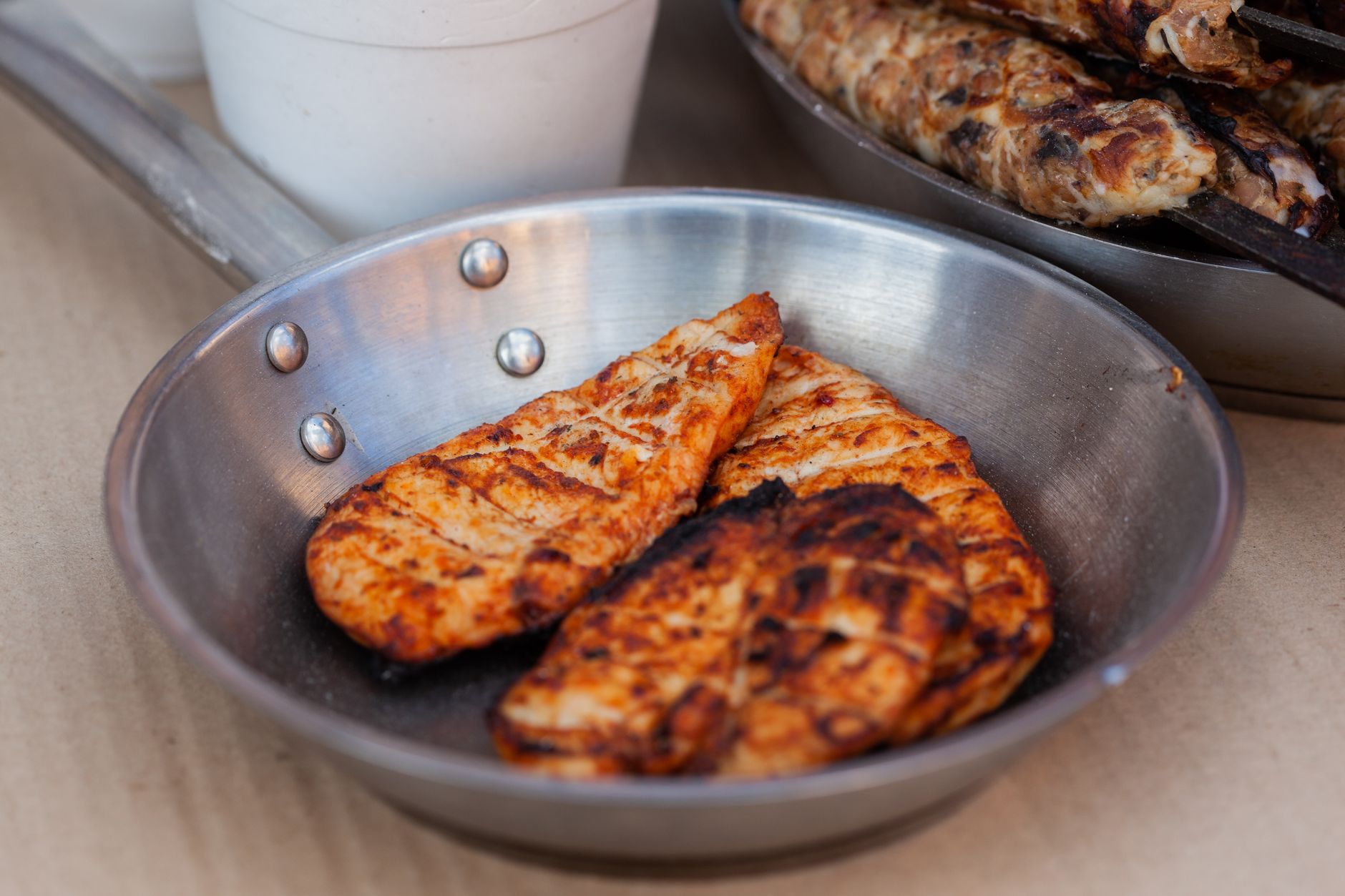
Chicken breast is a popular choice for those looking to increase their protein intake due to its versatility, mild flavor, and lean composition. Understanding the protein content in chicken breast can help individuals make informed dietary choices, especially for those who prioritize protein in their meals.
In this article, we will explore how much protein chicken breast contains, factors affecting its protein levels, cooking methods that may influence these numbers, and practical tips on incorporating chicken breast into your diet.
How Much Protein Does Chicken Breast Have?
A typical serving of cooked skinless chicken breast (approximately 3 ounces) contains around 24 to 26 grams of protein. This makes it one of the most protein-dense options among meats and an excellent source for anyone seeking to boost their protein intake.
The protein content can vary slightly based on factors such as the cooking method and whether the chicken is served with skin, so it’s crucial to consider these elements when planning meals.
Understanding the Protein Content in Chicken Breast
Chicken breast is renowned for being a great source of lean protein, making it especially popular among athletes and health-conscious individuals. The protein in chicken breast is high quality, featuring all nine essential amino acids necessary for the body to function properly.
To break it down further, let’s look at the protein content in various servings sizes:
| Serving Size | Protein Content (Approx.) |
|---|---|
| 1 oz (cooked) | 8 g |
| 3 oz (cooked) | 24-26 g |
| 4 oz (cooked) | 32-34 g |
| 6 oz (cooked) | 48-52 g |
Factors Affecting Protein Content
While chicken breast is generally a reliable source of protein, several factors can influence its protein content:
- Cooking Method: Different cooking methods can affect moisture loss, which may concentrate or dilute the protein content. For instance, grilling or baking tends to retain more protein than frying because less moisture is lost.
- Skin On vs. Skin Off: Removing the skin lowers the fat content, but generally, the actual protein content doesn’t differ significantly. Skin-on versions may have slightly less protein per ounce due to added fat, although this is minimal.
- Raw vs. Cooked: Raw chicken breast contains around 22 grams of protein per 3 ounces, but cooking changes its weight due to moisture loss, concentrating the protein levels.
Nutritional Profile of Chicken Breast
Aside from being a good source of protein, chicken breast offers additional nutritional benefits:
- Low in Fat: A 3 oz serving of skinless chicken breast contains approximately 2.7 grams of fat, making it a low-fat protein source.
- Rich in Vitamins: Chicken breast provides important vitamins, including B vitamins such as niacin (B3) and pyridoxine (B6), which play vital roles in energy metabolism.
- Minerals: Even though chicken breast is not particularly high in minerals, it does contain small amounts of phosphorus and selenium, essential for bone health and immune function, respectively.
Cooking Methods and Their Impact on Protein
When you prepare chicken breast, the cooking method can influence not only the taste and safety but also its nutritional content. Here are common cooking techniques and how they may impact protein retention:
- Grilling: Cooking chicken on a grill allows excess fat to drip off, resulting in lean meat. This method typically retains a high protein content while also intensifying flavor through charring.
- Baking: Baking chicken breast in the oven with minimal oil can preserve moisture, making it tender while keeping the protein content intact.
- Boiling: Boiling chicken breast can sometimes result in loss of moisture and possibly lead to slight protein loss, but this difference is negligible in practical servings.
- Frying: Fried chicken breast, especially when breaded, can introduce additional fats and calories, but the protein content often remains similar to other methods.
How to Incorporate Chicken Breast into Your Meals
Integrating chicken breast into your meals can help you meet your protein needs efficiently. Here are some practical tips for incorporating chicken breast into your diet:
- Meal Prep: Cook several chicken breasts at once and portion them out for meals throughout the week. This saves time and makes it easier to grab a healthy option.
- Salads: Slice grilled or baked chicken breast to top off salads for a protein boost. Pair with leafy greens, vegetables, and a light dressing.
- Sandwiches and Wraps: Use cooked chicken breast in sandwiches or wraps with vegetables and sauces to create balanced meals.
- Stir-Fries: Cut chicken breast into bite-size pieces and stir-fry them with your favorite vegetables and sauces for a quick and protein-packed dish.
- Soups and Stews: Add shredded or diced chicken breast to soups or stews. It enhances the nutritional profile while adding flavor and substance.
Practical Meal Planning with Chicken Breast
Meal planning can further optimize your diet and ensure you meet your protein goals. Follow these steps to effectively plan meals based around chicken breast:
- Determine Your Protein Needs: Understand your daily protein requirements based on factors like age, activity level, and dietary preferences.
- Choose Your Cooking Method: Select cooking methods that suit your schedule. Grilling or baking might be ideal for meal prep, while stir-frying is a quick option for weeknight dinners.
- Mix Ingredients: Aim to pair chicken breast with a variety of grains, vegetables, and legumes for balanced meals. This not only improves nutrition but also adds flavor and texture.
- Portion Control: Use a food scale to weigh chicken breast if needed to ensure proper portion sizes to match your protein goals.
- Store Safely: Properly cool and store cooked chicken in airtight containers in the fridge for up to four days for best quality.
Common Mistakes When Cooking Chicken Breast
Cooking chicken breast can seem straightforward, but there are common pitfalls to watch out for:
- Overcooking: Chicken breast can easily become dry if overcooked. Use a meat thermometer to ensure the internal temperature reaches 165°F for safety without sacrificing moisture.
- Not Letting It Rest: Allow cooked chicken to rest for a few minutes before slicing. This helps retain juices and improves tenderness.
- Skipping Marination: Marinating chicken breast can enhance flavor and moisture. Even a quick marinade can make a significant difference.
- Ignoring Doneness: Relying solely on color or texture can lead to overcooked or undercooked chicken. A food thermometer ensures safety and perfect doneness.
Storage and Reheating Guidelines
Storing chicken breast properly can maintain its quality and safety:
- Cooling: Cool cooked chicken quickly and refrigerate it within two hours to prevent bacterial growth.
- Storage: Store cooked chicken in airtight containers in the refrigerator for up to four days. For longer storage, freeze it in an airtight container for up to three months.
- Reheating: When reheating, ensure that the chicken reaches an internal temperature of 165°F. This can be achieved in the microwave, on the stove, or in the oven.
Conclusion
Understanding how much protein chicken breast provides and how to efficiently incorporate it into your meals can greatly enhance your dietary choices. With its high protein content, versatility, and ease of preparation, chicken breast stands out as a favored option in many kitchens.
Explore additional culinary options with chicken, from sous vide methods with this sous vide chicken breast recipe to optimizing flavor through proper brining with this chicken brine recipe. Happy cooking!