
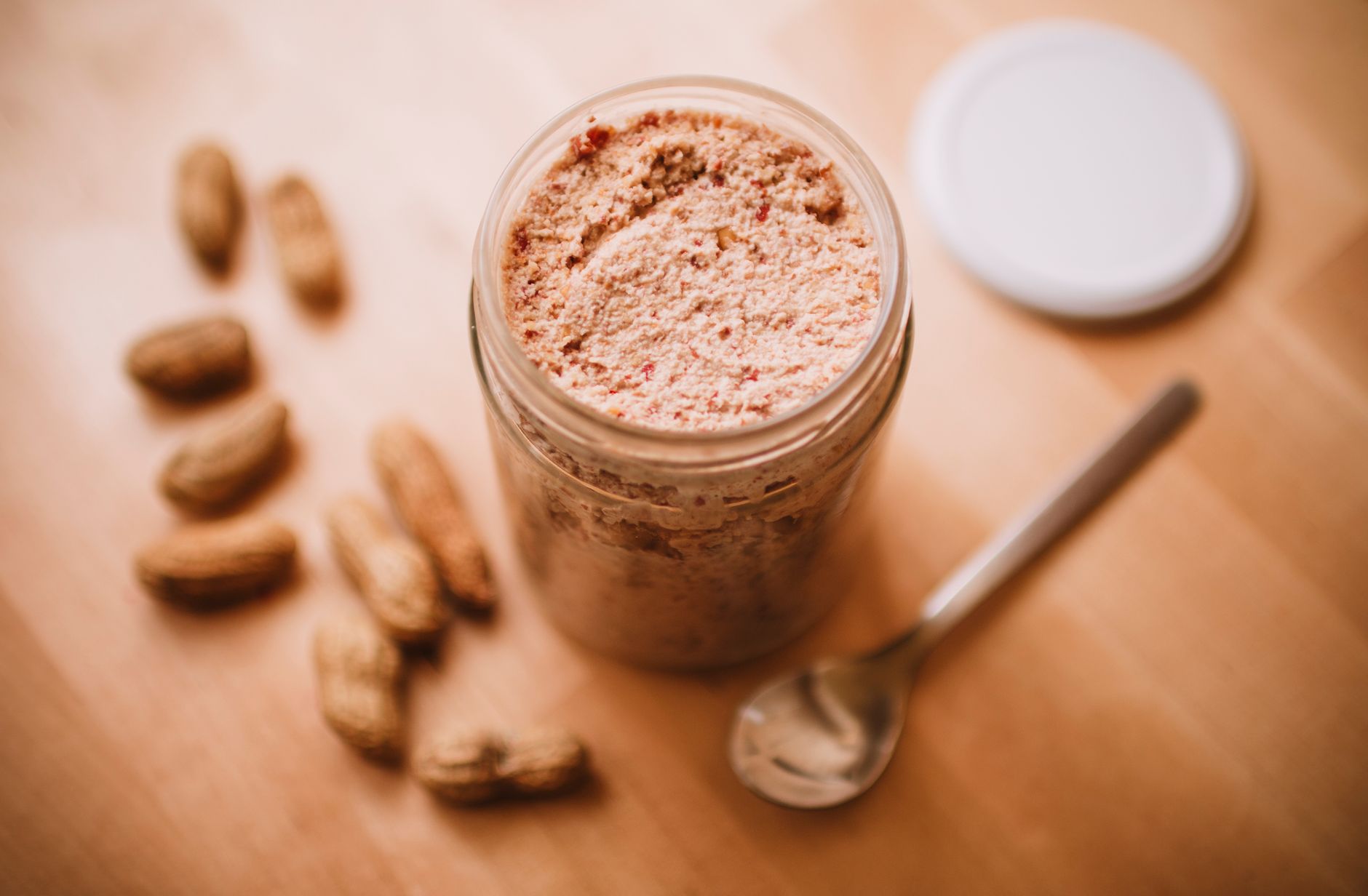
Peanut butter is a beloved pantry staple that has earned its place in kitchens around the world. Known for its creamy texture and rich flavor, it’s often used as a spread, an ingredient in smoothies, or even as a key player in various recipes. But beyond its taste and versatility, peanut butter is also a source of important nutrients, including potassium.
This article delves into how much potassium is present in peanut butter, discussing its nutritional profile, benefits, and other key considerations for integrating it into your diet. Whether you’re a peanut butter aficionado or just curious about its health benefits, read on to discover more.
How Much Potassium in Peanut Butter?
Peanut butter typically contains about 200 to 250 mg of potassium per two-tablespoon serving. This value can vary slightly depending on the specific brand and whether the peanut butter is natural or processed. Despite being a rich source of fats and protein, peanut butter is a convenient way to incorporate potassium into your daily diet.
Nutritional Profile of Peanut Butter
To better understand the significance of potassium in peanut butter, it’s helpful to examine its overall nutritional profile. Peanut butter is not just about taste; it’s loaded with essential nutrients that contribute to a balanced diet.
- Calories: Approximately 190-200 calories per two tablespoons.
- Protein: Around 8 grams, making it a good source of plant-based protein.
- Fats: About 16 grams, primarily healthy monounsaturated and polyunsaturated fats.
- Carbohydrates: Roughly 6-7 grams, mostly consisting of dietary fiber.
- Fiber: About 2 grams, contributing to digestive health.
- Vitamins and Minerals: Besides potassium, it contains magnesium, phosphorus, vitamin E, and B vitamins.
The Importance of Potassium
Potassium is a vital mineral that plays several key roles in the body. It is essential for:
- Maintaining fluid balance: Potassium helps regulate fluid levels in the body, which is crucial for cellular function.
- Muscle contraction: It supports nerve function and muscle contraction, important for exercise and daily activities.
- Heart health: Adequate potassium intake can help maintain healthy blood pressure levels.
- Bone health: Potassium contributes to bone density by preventing calcium loss.
The recommended daily intake of potassium for adults is around 2,500 to 3,000 mg, depending on age, sex, and level of physical activity. Including peanut butter as a part of your balanced diet can help you achieve this goal.
How to Incorporate Peanut Butter into Your Diet
Adding peanut butter to your diet is easy and can enhance both flavor and nutrition. Here are a few practical ways to do so:
As a Spread
Peanut butter is a classic spread for breakfast or snack time. Spread it on:
- Whole grain bread or toast
- Rice cakes
- Bansna or apple slices
In Smoothies
Blending peanut butter into smoothies can create a creamy texture and add a boost of protein and potassium:
- Combine peanut butter, a banana, some spinach, and milk (or a non-dairy alternative) in a blender.
- Blend until smooth.
In Baking
Peanut butter can be used in a variety of baked goods:
- Cookies
- Brownies
- Granola bars
Check out the delicious peanut butter fudge recipe for a sweet treat!
As a Topping
Peanut butter also makes a great topping. Try it on:
- Pancakes or waffles
- Oatmeal or yogurt
- Fruit salads
Practical Substitutions for Peanut Butter
If you’re looking for substitutions or variations to peanut butter, several options can replicate its creamy texture and nutty flavor:
- Almond Butter: Similar in taste and texture, it has a slightly different flavor profile and offers similar nutrient benefits.
- Sunflower Seed Butter: A good nut-free alternative, it contains comparable amounts of potassium and is suitable for those with allergies.
- Cashew Butter: Offers a creamy texture and light flavor but provides slightly less potassium.
When substituting nut butters, keep in mind that the flavor and texture of the final dish may change. Additionally, check for allergy issues if you’re cooking for a group.
Common Mistakes When Using Peanut Butter
While peanut butter is versatile, there are a few common pitfalls to avoid when using it:
- Overusing it: Due to its high caloric content, moderation is key to enjoying peanut butter without excessive calorie intake.
- Choosing processed options: Many commercial peanut butters contain added sugars and oils; opt for natural varieties without these additives.
- Not checking for allergies: Always ensure that everyone, especially children, is not allergic before serving dishes that contain peanut butter.
Storage Tips for Peanut Butter
Correct storage can help maintain the quality of your peanut butter, ensuring it stays fresh and flavorful:
- Keep peanut butter sealed tightly and store it in a cool, dry place, away from direct sunlight.
- If using natural peanut butter, storing it in the refrigerator after opening can prevent oil separation and extend shelf life.
- Always use a clean utensil when scooping peanut butter to avoid contamination.
Meal Planning with Peanut Butter
Incorporating peanut butter into meal planning can simplify your grocery shopping and enhance meal variety. Here’s a simple meal plan for a day using peanut butter:
Sample Meal Plan
- Breakfast: Whole grain toast with peanut butter and banana slices, paired with a glass of milk.
- Lunch: Peanut butter smoothie with spinach, banana, and almond milk.
- Snack: Apple slices with peanut butter.
- Dinner: Stir-fried vegetables with peanut sauce over rice.
This meal plan ensures that you’re getting a healthy dose of potassium, protein, and healthy fats throughout the day.
Health Considerations
Although peanut butter is nutrient-dense, there are some health considerations to keep in mind:
- Nut allergies: Peanut allergies are common and can lead to severe reactions. Always be cautious when serving others.
- Caloric density: Being high in calories, it’s essential to enjoy peanut butter in moderation to maintain a balanced diet.
- Sodium content: Some processed peanut butters can be high in sodium, so choosing low-sodium options may be better for heart health.
Conclusion
Peanut butter is a delicious and versatile food that provides several nutritional benefits, including a good source of potassium. By incorporating peanut butter into your meals and snacks, you can enjoy its flavor while reaping health benefits. Remember to explore various recipes, such as peanut butter granola recipes, to make the most of this beloved ingredient. As with any food, moderation is key, and it’s essential to be mindful of portion sizes and any dietary restrictions.
Explore more about cooking, meal planning, and ingredients to enrich your culinary adventures! Consider checking out additional recipes and food guides for more delicious inspiration.