
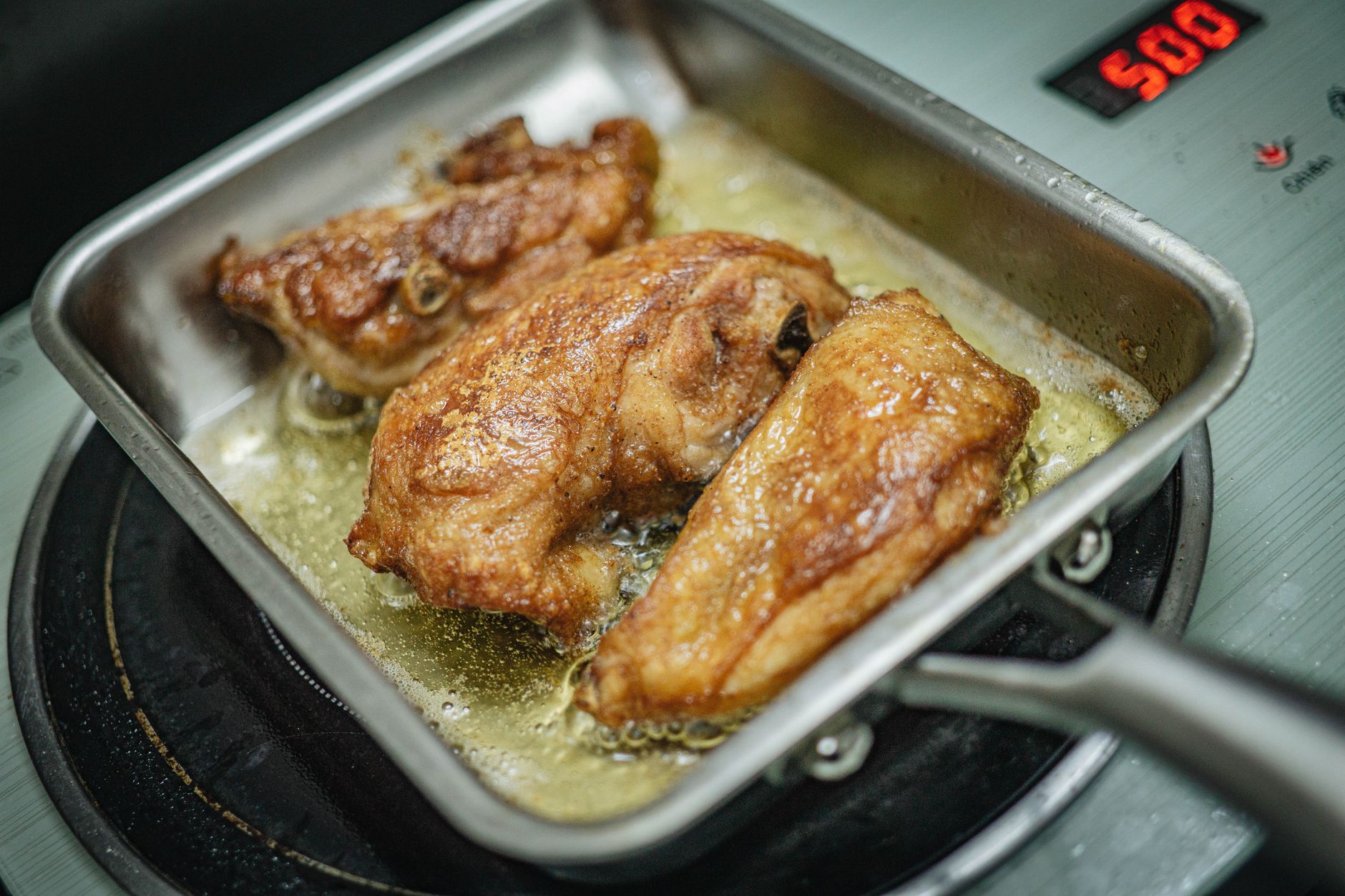
Frying a turkey is a festive tradition that delivers a juicy, flavor-packed bird with a crispy exterior. However, determining how much oil to fry a turkey can be a bit daunting, especially for those who are trying it for the first time. The amount of oil needed depends on several factors including the size of the turkey and the size of your fryer.
In this guide, we will explore everything you need to know about frying a turkey, from how much oil to use to preparation, timing, and serving tips.
How Much Oil to Fry Turkey?
To fry a turkey, you typically need about 3 to 5 gallons of oil depending on the size of the bird and the fryer’s capacity. Ensuring the right oil volume not only affects cooking time, but it also impacts the turkey’s flavor and texture.
Understanding the Basics of Frying a Turkey
Frying a turkey is a cooking method that involves submerging the bird in hot oil. This technique cooks the turkey quickly, sealing in moisture and resulting in a juicy interior. The high temperature creates a crispy outer layer, enhancing the overall flavor. Here’s what you need to know before you begin.
Choosing Your Equipment
- Fryer: Purchase a deep fryer or a large pot designed for frying. Look for a fryer that can hold at least a 20-quart capacity.
- Propane Burner: If you are using an outdoor fryer, a propane burner is often necessary.
- Thermometer: An oil thermometer helps to maintain consistent oil temperature.
- Turkey Basket: A frying basket makes it easy to lower and lift the turkey safely.
- Fire Extinguisher: Always have a fire extinguisher nearby when frying turkey for safety.
Choosing the Right Oil
Not all oils are created equal when frying a turkey. You’ll want to choose an oil with a high smoke point to ensure it doesn’t burn during the frying process. Great options include:
- Peanut oil
- Canola oil
- Safflower oil
- Sunflower oil
Peanut oil is particularly popular among turkey fryers for its flavor and high smoke point, which is around 450°F (232°C).
Calculating How Much Oil You Need
General Guidelines
As a general rule of thumb, you need about 3 to 5 gallons of oil for frying a turkey. Follow these steps to ensure you have the right amount:
- Place your turkey in the fryer without oil.
- Fill with water until the turkey is completely covered.
- Remove the turkey and measure the water. This amount will indicate how much oil you need.
The water measurement provides a helpful starting point, though it’s wise to take into account that oil will expand when heated.
Size Considerations
While 3 to 5 gallons is a good estimate, the exact amount of oil depends on the size of the turkey:
- 12 to 14 pounds: 3 gallons of oil
- 15 to 18 pounds: 4 gallons of oil
- 20 pounds and above: 5 gallons of oil
Preparation Before Frying
Preparation is key to successful turkey frying. Follow these steps to ensure a smooth process:
Defrosting the Turkey
Ensure your turkey is completely defrosted before frying. A frozen turkey will cause hot oil to splatter and can be dangerous. Allow at least 24 hours for every 4-5 pounds for thawing in the refrigerator.
Brining the Turkey
Many people choose to brine their turkey for added flavor and moisture. If you plan to brine, consider that the turkey will need additional time for soaking, typically around 12 to 24 hours. Be sure to rinse and pat the turkey dry afterward.
Injecting Flavor
Injecting your turkey with a marinade can enhance flavor. You can prepare a simple injection solution with stock, melted butter, and seasonings. For more on turkey injection recipes, explore this link.
Timing and Cooking the Turkey
Timing is crucial when frying turkey. The general rule is to fry the turkey for about 3 to 4 minutes per pound. Here’s a quick overview:
- 12 pounds: 36 to 48 minutes
- 14 pounds: 42 to 56 minutes
- 18 pounds: 54 to 72 minutes
Monitoring Oil Temperature
Before placing the turkey in the oil, heat the oil to about 350°F (175°C). Using a thermometer, monitor the oil and maintain the temperature throughout cooking to ensure even frying.
Frying Process: Step-By-Step Instructions
- Prepare the Fryer: Set up your outdoor fryer away from flammable materials.
- Add Oil: Pour in the calculated amount of oil and heat it until the temperature reaches 350°F (175°C).
- Lower the Turkey: Dry your turkey thoroughly to avoid splatters, then slowly lower it into the hot oil.
- Monitor Cooking: Use your timer and maintain oil temperature consistently.
- Check Doneness: The turkey is done when the internal temperature reads 165°F (74°C) measured at the thickest part of the thigh.
- Remove from Oil: Carefully lift the turkey out of the oil and allow it to drain before serving.
Common Mistakes to Avoid
- Using a Frozen Turkey: A frozen turkey can lead to boiling hot oil spilling over.
- Overcrowding the Fryer: Fry one turkey at a time to maintain consistent oil temperature.
- Not Monitoring Temperature: A hot oil temperature is crucial for crispy skin, so don’t neglect it.
- Skipping Safety Gear: Always wear protective gear to prevent burns.
Serving Your Fried Turkey
Once the turkey is fried and drained, allow it to rest for about 20 to 30 minutes before carving. This will help the juices redistribute throughout the turkey, keeping it moist and flavorful.
Serving Suggestions
Fried turkey pairs beautifully with various sides. Consider these classic options:
- Mashed potatoes
- Gravy
- Stuffing
- Green bean casserole
- Cranberry sauce
Storing Leftovers
If you have leftovers, store them properly to maintain freshness. Here are some tips:
- Refrigerate your fried turkey within 2 hours of cooking.
- Keep leftovers wrapped tightly in foil or plastic wrap or in an airtight container.
- Consume within 3 to 4 days or freeze for later use.
When reheating, make sure the internal temperature reaches 165°F (74°C).
Conclusion
Frying a turkey can seem daunting, but with the right preparation, equipment, and understanding of oil quantities, it can be a rewarding culinary project. Be mindful of safety, follow guidelines, and enjoy a beautifully fried centerpiece for your gathering.
If you’re ready to take the plunge, remember to check out how long to deep fry a turkey to get a perfectly cooked bird, or explore turkey injection recipes to bring incredible flavor to your dish. Happy frying!