
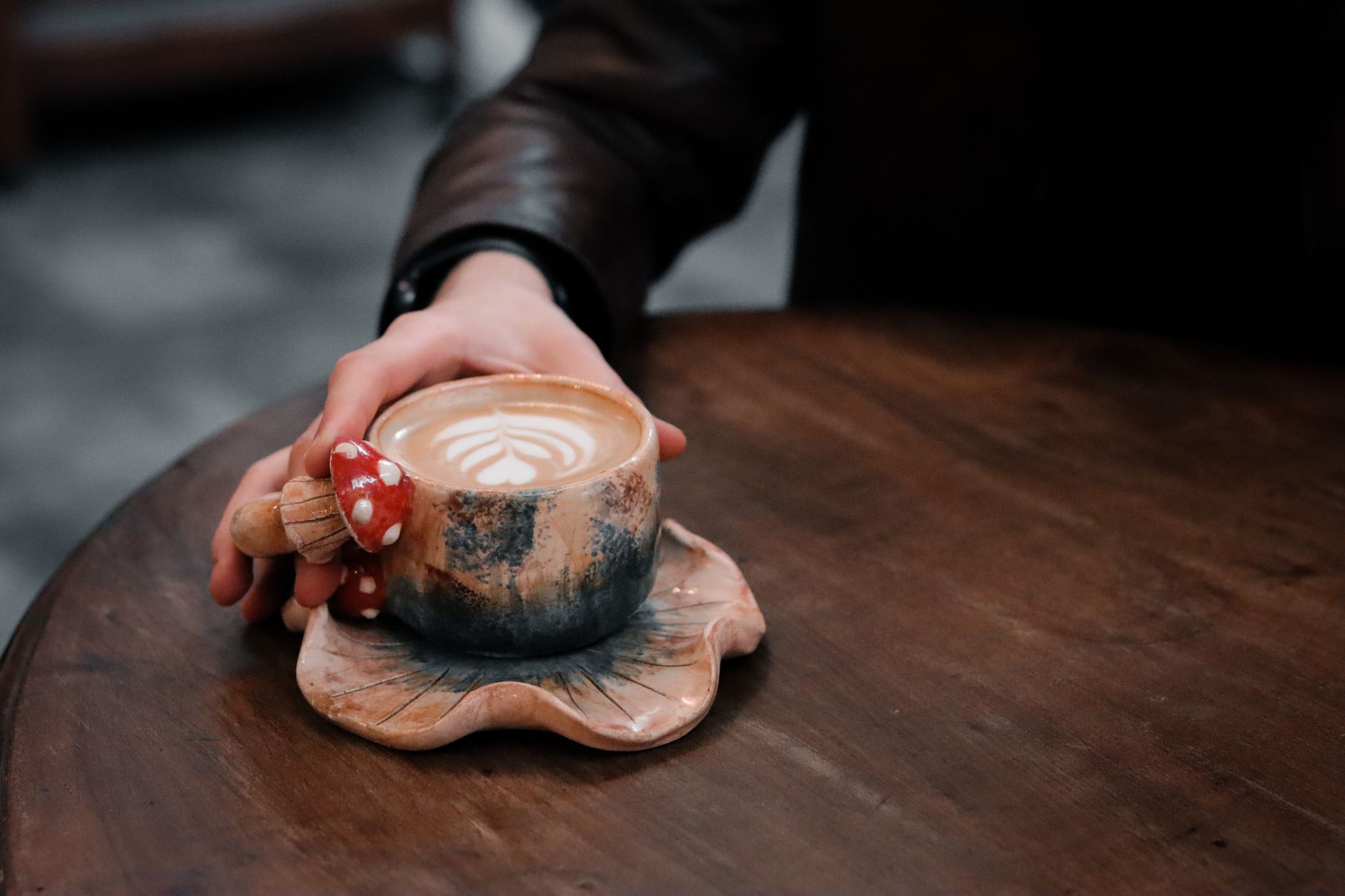
Mushroom coffee is gaining popularity as a unique alternative to traditional coffee, offering potential health benefits along with its earthy flavor. However, many newcomers wonder how much of this beverage is appropriate to incorporate into their daily routine.
Understanding how much mushroom coffee to consume per day can help optimize its benefits while ensuring that you remain within safe limits. This article explores appropriate daily servings, nutrition information, tips for preparation, and much more.
How Much Mushroom Coffee Per Day?
The recommended daily intake of mushroom coffee varies but generally falls between 1 to 2 cups per day. This amount allows you to experience the potential health benefits of the mushrooms included without overwhelming your system with caffeine or other active compounds.
Understanding Mushroom Coffee
Mushroom coffee blends powdered mushrooms with coffee, often adding various functional mushrooms like Lion’s Mane, Chaga, and Reishi. These mushrooms are believed to contain beneficial compounds, such as antioxidants and polysaccharides, that may support overall health.
Typically, mushroom coffee retains the caffeine content of regular coffee but often at lower levels. The specific mix of mushrooms used and their ratios can significantly influence how much you should consume, especially if you are sensitive to caffeine or have other dietary considerations.
Choosing the Right Mushroom Coffee Blend
When selecting a mushroom coffee blend, it’s important to consider both the types of mushrooms included and the caffeine content. Many brands offer variations that highlight different mushrooms for their unique health benefits:
- Lion’s Mane: Known for its potential cognitive benefits, including memory and focus enhancement.
- Chaga: Rich in antioxidants, which may support immune function and combat oxidative stress.
- Reishi: Often referred to as the “mushroom of immortality,” it may promote relaxation and overall wellness.
Pay attention to any additional ingredients or flavorings added to these blends, as they may affect how much coffee you can handle without issue.
Nutritional Profile of Mushroom Coffee
The nutritional content of mushroom coffee can vary widely depending on brand and preparation methods. Generally, mushroom coffee contains:
- Calories: Most mushroom coffees are low in calories, typically ranging from 10 to 30 calories per cup without added sugar or cream.
- Caffeine: Depending on the coffee blend, you may find caffeine levels similar to regular coffee, about 60 to 100 mg per 8 oz cup.
- Mushroom Extracts: Each mushroom variety contributes unique nutrients and compounds, such as beta-glucans, polysaccharides, and various antioxidants.
Benefits of Moderate Consumption
Moderate consumption of mushroom coffee (1-2 cups daily) can yield several potential benefits:
- Enhanced Cognitive Function: Certain mushrooms, like Lion’s Mane, may help support brain health and cognitive function.
- Increased Energy: The caffeine combined with the adaptogenic properties of mushrooms can promote sustained energy without the jitters often associated with regular coffee.
- Antioxidant Support: The antioxidants found in mushrooms can help combat oxidative stress, supporting overall health.
How to Prepare Mushroom Coffee
Preparation methods can influence the final flavor and effectiveness of your mushroom coffee. Here’s a basic preparation guide:
Ingredients
- 1-2 tablespoons of mushroom coffee blend
- 1 cup of hot water (about 200°F)
- Optional: milk, cream, sweetener of choice, spices (such as cinnamon or vanilla)
Equipment Needed
- Coffee mug
- French press, pour-over, or any brewing device
Preparation Steps
- Measure 1-2 tablespoons of your mushroom coffee blend into your brewing device.
- Boil water and allow it to cool for about 30 seconds until it reaches 200°F.
- Pour the hot water over the coffee and let it brew for 4-5 minutes.
- If using a French press, press down the plunger after brewing and pour into your mug.
- Customize your drink with milk, sweeteners, or spices as desired.
Tips for Daily Consumption
Here are some practical tips for enjoying mushroom coffee as part of your daily routine:
- Start Slowly: If you are new to mushroom coffee, try starting with one cup per day to assess your tolerance.
- Monitor Caffeine Intake: Keep track of your total daily caffeine consumption, especially if combining with other caffeinated beverages.
- Listen to Your Body: Pay attention to how you feel after consuming mushroom coffee and adjust your intake accordingly.
Possible Side Effects of Excessive Consumption
While mushroom coffee is safe for most individuals, excessive consumption may lead to certain side effects, including:
- Insomnia or disrupted sleep patterns, especially if consumed too close to bedtime.
- Digestive discomfort in some individuals who may have sensitivities to mushrooms.
- Anxiety or jitteriness if too much caffeine is consumed in conjunction with other sources.
If you experience any adverse effects, consider reducing your daily intake or switching to a lower-caffeine option. Consulting with a medical professional can also provide personalized guidance, especially if you have pre-existing health conditions.
Enhancing Your Mushroom Coffee Experience
To make your mushroom coffee more enjoyable, consider experimenting with different combinations of flavors or adaptogens. Here are some popular additions:
- Spices: Add cinnamon, turmeric, or cocoa powder for extra flavor and health benefits.
- Milk Alternatives: Consider almond, oat, or coconut milk for creaminess without dairy.
- Sweeteners: Try natural sweeteners such as honey or maple syrup to balance the earthy mushroom flavor.
Storing Mushroom Coffee
Proper storage of mushroom coffee can help retain its freshness and potency. Here are some guidelines:
- Store in a cool, dry place away from direct sunlight.
- Keep the blend in an airtight container to prevent moisture exposure.
- Check the expiration date on the package and consume within the recommended timeframe for optimal quality.
Alternatives to Mushroom Coffee
If you’re interested in functional mushroom benefits without caffeine, there are several alternatives:
- Mushroom Tea: A herbal brew that can include various mushrooms offering similar health benefits without caffeine.
- Smoothies: Incorporate powdered mushrooms into breakfast smoothies for a nutritious start to your day.
- Soups and Broths: Use mushroom powders in broths or soups for a savory and nutrient-rich meal option.
Conclusion
Mushroom coffee can be a beneficial addition to your daily routine when consumed in moderation. Aim for 1 to 2 cups per day, closely monitoring how your body reacts.
By following the preparation tips and taking care to enjoy the flavor and potential health benefits, you can make the most out of this unique beverage. Explore different blends, experiment with flavors, and enjoy the earthy richness that is mushroom coffee.
For some delicious variations, check out our protein coffee recipe or try making a delightful fried mushroom recipe. Expand your cooking repertoire today!