
Butter is a staple ingredient in many kitchens, known for its rich flavor and versatility in cooking and baking. However, if you’ve ever found yourself wondering how much is in a stick of butter, you’re not alone. Understanding the measurements associated with butter can help ensure your recipes come out just right.
This article will delve into the details of butter quantities, conversions, and practical applications to make your cooking endeavors smoother. We’ll also explore how this basic ingredient can elevate your dishes.
How Much Is in a Stick of Butter?
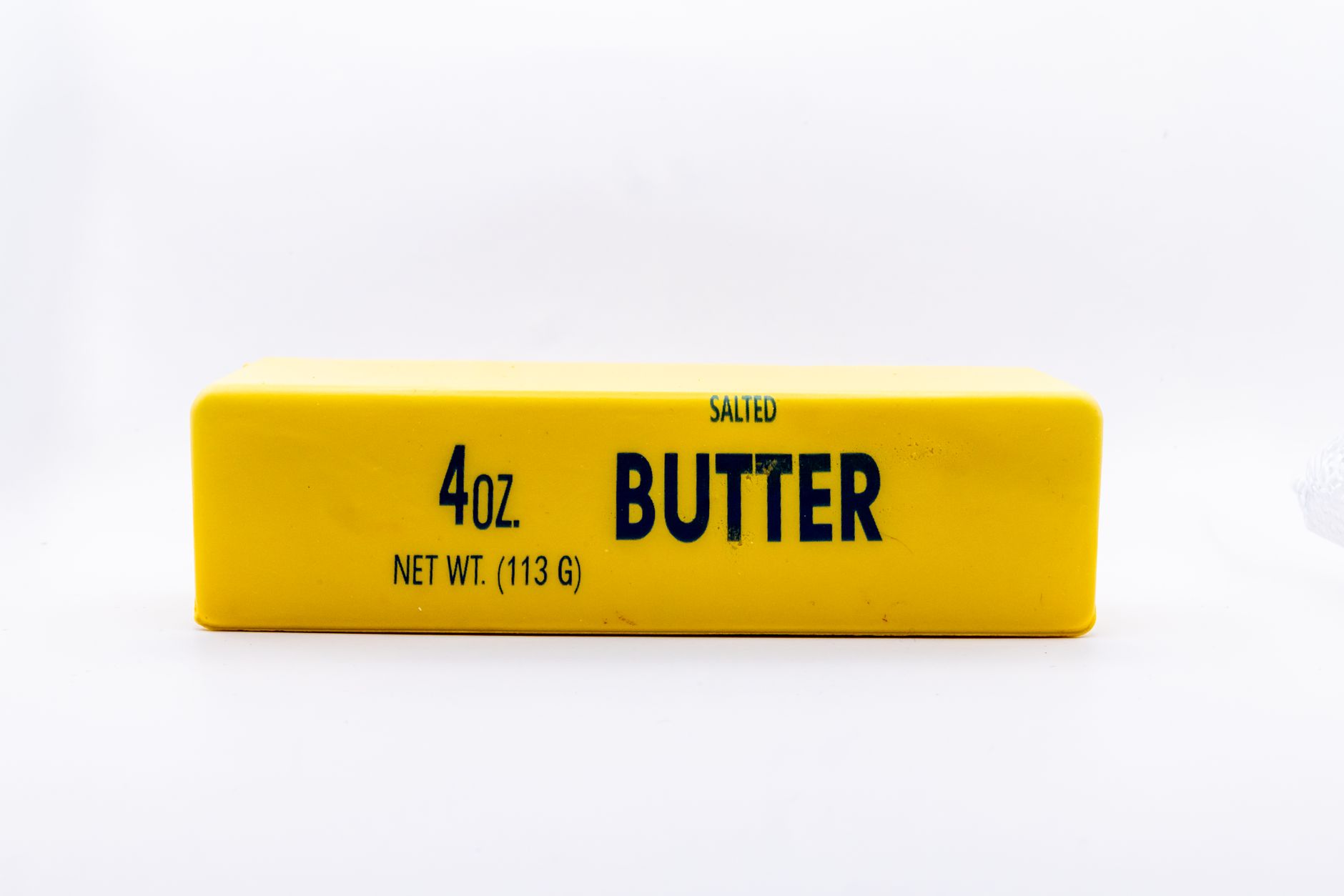
A standard stick of butter typically weighs 4 ounces or 113 grams and measures approximately ½ cup in volume. In the U.S., butter is commonly sold in half-pound bars, which consist of four sticks, equating to 2 cups in total. Understanding this measurement is essential for all cooking and baking needs.
Breaking Down Butter Measurements
Butter comes in various forms and can be measured in different ways. Familiarizing yourself with the various units can aid in recipe accuracy and help you navigate substitutions if necessary.
Weight and Volume
- 1 stick of butter = 4 ounces (113 grams)
- 1 stick of butter = ½ cup
- 1 pound of butter = 2 cups (or 4 sticks)
Tablespoon Conversions
For recipe precision, you may need to convert butter into tablespoons. Here are some quick conversions to keep in mind:
- 1 stick of butter = 8 tablespoons
- 1 tablespoon of butter = ½ ounce (approximately 14 grams)
Common Mistakes When Measuring Butter
- Not using the correct measurements: Ensure you check the recipe’s specific needs to avoid errors.
- Not accounting for melting: If a recipe calls for melted butter, measure after it’s melted, as its volume can change when heated.
- Assuming all butter is sold in sticks: In some places, butter may be sold in tubs or blocks, necessitating weight conversions.
Using Butter in Recipes
Butter is widely used in various dishes, adding flavor and moisture. Understanding its measurement can assist you in various cooking techniques.
Baking with Butter
Baking is a process that often relies heavily on precise measurements, as butter affects the texture and moisture of baked goods. Here’s how to use butter effectively in some popular baking scenarios:
Cakes and Cookies
In cake and cookie recipes, butter’s role is crucial. When creamed with sugar, it incorporates air, aiding in leavening and giving a light texture. Here’s a simple outline you might follow:
- Measured butter should be at room temperature unless specified otherwise.
- Beat the butter with sugar until light and fluffy for optimal results.
- Include eggs and dry ingredients as directed in the recipe.
Pastries and Pies
In pastries, butter contributes to flakiness. For pastries, consider the following tips:
- Use cold butter when making pastry dough for a superior flake.
- Cut butter into flour until the mixture resembles coarse crumbs.
Cooking with Butter
When it comes to cooking, butter can be used in various ways, impacting flavor and texture in numerous dishes.
Sautéing and Browning
When sautéing, butter can provide a rich flavor but be aware that it has a low smoke point. Hence, adding cooking oil can help prevent burning:
- For sautéing vegetables, use 1 to 2 tablespoons of butter per serving.
- When browning meat, consider mixing butter and oil for stability.
Making Sauces
Butter forms the base of many sauces, contributing to a smooth texture. When making sauces, remember:
- Incorporate butter gradually to emulsify with other ingredients.
- Use clarified butter for sauces requiring higher cooking temperatures or prolonged heating.
Storing Butter Effectively
Proper storage of butter ensures its freshness and flavor retention. Here are some tips for storing butter:
- Keep unopened butter in the refrigerator or freezer to extend shelf life.
- Once opened, store butter tightly wrapped in its original packaging or a butter dish.
- Salted butter can last longer than unsalted; usually, 1 to 3 months in the refrigerator is ideal for both types.
Substituting Butter
Understanding how to replace butter can be crucial when accommodating dietary needs or preferences. Consider these substitutions:
Common Butter Substitutes
- **Margarine:** Similar consistency and can be used in a 1:1 ratio.
- **Shortening:** Provides a similar texture and can be used interchangeably in baked goods, although it lacks flavor.
- **Coconut Oil:** This offers a unique flavor; replace butter with an equal amount of solid coconut oil.
- **Applesauce or Pureed Fruit:** Can substitute for butter in some recipes, using half the amount for moisture but will alter the texture.
Considerations for Substitutions
While it may seem straightforward, using substitutes can change both flavor and texture:
- Texture: Some substitutes, especially those with higher water content, may result in a denser product.
- Flavor: Be mindful that flavor profiles can change, requiring additional flavor enhancements in baking.
Regional Variations of Butter
Different regions may have unique takes on butter, affecting its flavor and usage. Understanding these distinctions can broaden your culinary horizons.
Clarified Butter
Commonly used in Indian cuisine, clarified butter (or ghee) removes protein solids and moisture, yielding a higher smoke point and nuttier flavor:
- Use clarified butter for frying or sautéing.
- It’s a great substitute for traditional butter in recipes requiring stable cooking temperatures.
Flavored Butters
Flavored butters, such as herb or garlic butter, can elevate a dish:
- Mix softened butter with fresh herbs for a flavorful spread or accompaniment.
- Use in sauces or on grilled meats for enhanced taste.
Common Queries about Butter Measurement
What is the equivalent of 1 stick of butter in grams?
One stick of butter is equivalent to 113 grams. This measurement is helpful for recipes that specify ingredients by weight.
Can I double a recipe if it calls for sticks of butter?
Yes, if a recipe calls for sticks of butter, you can double it easily by using twice the number of sticks called for in the recipe.
How do I know if butter has gone bad?
Check butter for signs of spoilage, such as an off smell, discoloration, or mold. Proper storage can minimize this risk, but if in doubt, it’s better to discard it.
Conclusion
Understanding the measurements and uses of butter is fundamental for any home cook or baker. From its role in baking and cooking to its storage and substitution options, butter is an ingredient that can greatly influence the final outcome of your dishes. With a firm grasp on how much is in a stick of butter and how to use it effectively, you can enhance your culinary projects confidently.
If you’re interested in exploring further, check out our guides on making clarified butter or try your hand at baking butter swim biscuits for an extra touch of flavor in your meals.