
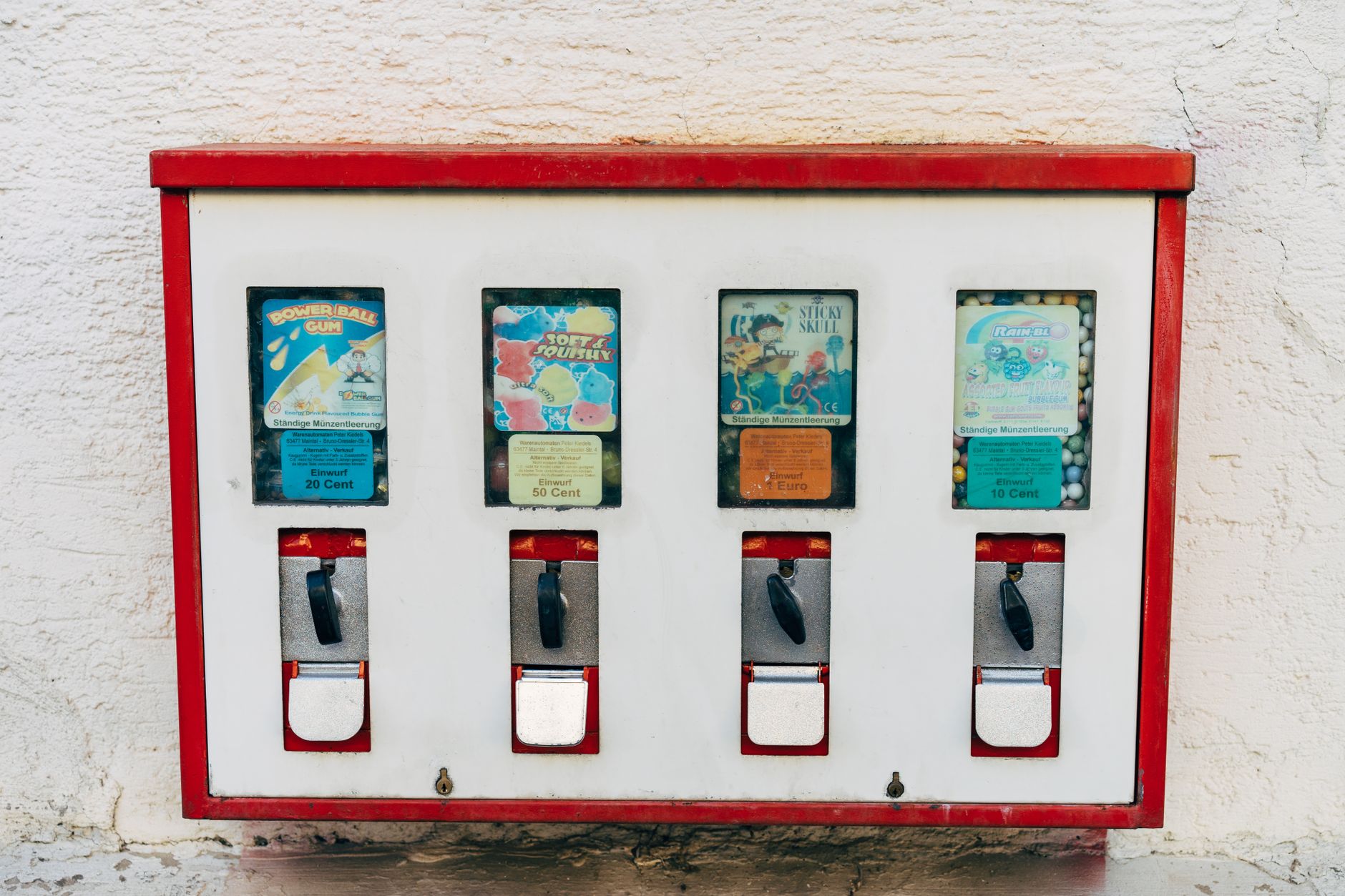
Gum is more than just a sweet treat; it’s a popular oral fixation and a unique snack that can freshen your breath. However, if you’re wondering, “How much is gum?”, it can be challenging to pin down a definitive answer. Prices vary based on location, brand, type, and even packaging.
This article explores the costs associated with gum, including detailed prices from various brands, sizes, and helpful tips for ordering and buying gum efficiently. Whether you’re a casual chewer or someone looking for specific brands, this guide will provide all the information you need.
How Much Is Gum?
The price of gum typically ranges from $0.50 to $3.00, depending on many factors. A single piece may cost around $0.05 to $0.15, while multi-pack options generally range from $1.00 to $3.00. Special brands or organic varieties may be on the higher end. Always check local grocery and convenience stores for specific prices.
Factors Influencing Gum Prices
Several key factors can influence how much gum costs. Understanding these can help you pinpoint the best options for your budget and preferences.
1. Brand
Brand recognition plays a notable role in pricing. Top brands like Extra, Orbit, and Trident often command higher prices due to their popularity and marketing. In contrast, generic or store brands are typically cheaper but may not offer the same flavor variety.
2. Type of Gum
There are various types of gum available:
- Chewing Gum: The standard variety found in many flavors.
- Bubble Gum: Typically sweeter, designed for blowing bubbles.
- Functional Gum: Sugar-free varieties, often with added benefits like teeth whitening or energy boosts.
- Organic Gum: Made from natural ingredients, usually at a higher price point.
Each type has its own price range, with functional and organic gums generally being more expensive.
3. Packaging Size
Gum often comes in various packaging sizes, including single packs, multi-packs, or bulk quantities. Larger packs tend to reduce the per-piece cost, making them a more economical choice for avid gum chewers.
4. Location
Where you buy gum can significantly affect the price. Grocery stores often have lower prices compared to convenience stores or vending machines. Additionally, regional differences may apply, with urban areas potentially offering a wider variety at varying price points.
Popular Gum Brands and Their Prices
Here’s a general overview of some popular gum brands, their common packaging options, and estimated price points:
1. Extra
Extra gum is well-known for its long-lasting flavors. Typical packaging options include:
- 15-piece packs: $2.00 to $2.50
- 35-piece packs: $3.50 to $4.00
2. Orbit
Orbit gum also covers a wide range of flavors, often marketed as sugar-free. Prices typically are:
- 14-piece packs: $2.00 to $2.50
- 30-piece packs: $3.00 to $3.50
3. Trident
Trident offers gum with interesting flavor combinations, focusing on sugar-free options. Expect to pay around:
- 14-piece packs: $1.50 to $2.00
- 30-piece packs: $3.00 to $4.00
4. Big Red
This is a classic cinnamon-flavored chewing gum. Price ranges are usually:
- 15-piece packs: $1.50 to $2.00
5. Bubblicious
Known for its nostalgic bubblegum flavors, Bubblicious typically costs:
- 5-piece packs: $1.00 to $1.50
6. Specialty and Organic Brands
Brands like Simply Gum or Glee Gum focus on natural and organic ingredients, and prices can be higher:
- 4 to 8-piece packs: $2.50 to $4.50
Where to Buy Gum
Gum can be easily found in a variety of places. Knowing where to shop can save you both time and money.
1. Grocery Stores
The local grocery store is often the most cost-effective place to purchase gum. Many chains have dedicated candy aisles where all major brands are available. Look for sales, especially around holidays or special promotions.
2. Convenience Stores
Convenience stores offer quick access, typically at higher prices. They’re great for impulse buys but may not always have the best deal.
3. Online Retailers
Ordering gum online can be convenient, especially when looking for bulk quantities. Websites like Amazon often have extensive selection, often at competitive prices. Be mindful of shipping costs when ordering small packages.
4. Discount Stores
Stores like Dollar Tree or Walmart can offer great deals on gum. These retailers often have lower price points, especially for off-brand options.
Ordering Tips for Buying Gum
When you’re ready to buy gum, consider the following tips to ensure you’re getting the best deal:
1. Check for Coupons
Before purchasing, look for coupons either in-store or online. Many brands offer promotions that could significantly reduce the cost.
2. Buy in Bulk
Saving money per piece is easy when you buy larger quantities. Consider purchasing multi-packs or bulk options if you eat gum regularly.
3. Compare Prices
Take time to compare prices between different retailers. Use apps or websites that track grocery prices to find the best deals available near you.
4. Look for Sales
Keep an eye on sales at grocery stores. Many retailers host periodic sales that can make gum more affordable.
5. Try Store Brands
Store brands are often priced more affordably than name-brand counterparts. These gums can provide comparable flavor and texture for much less.
Special Considerations When Choosing Gum
While price is a considerable factor in determining what gum to buy, there are other elements to consider for an enjoyable experience:
1. Flavor
Everyone has different preferences when it comes to flavors. Try various options to find your favorites, ranging from classic mint to fruity or even spicy options like cinnamon.
2. Sugar-Free vs. Sugar-Containing
If you’re concerned about sugar intake, opt for sugar-free varieties. These options are healthier for your teeth and can be just as flavorful.
3. Texture
Different brands may have varying textures, from hard to soft chew. Experiment to see which type you prefer, as this could greatly impact your chewing experience.
4. Allergens and Dietary Preferences
Read ingredient labels carefully, especially if you have food allergies or specific dietary preferences. This is crucial for anyone following a vegan or gluten-free diet.
Common Mistakes When Buying Gum
A few common mistakes can lead to dissatisfaction when purchasing gum. Here are some pitfalls to avoid:
1. Not Reading Labels
Overlooking ingredient labels can be costly in terms of health and preferences. Always check for added sugars, artificial flavors, or potential allergens.
2. Choosing Based on Price Alone
While price matters, selecting gum based solely on cost may lead to disappointment in quality or flavor. Aim for a balance between price and flavor preference.
3. Skipping Multi-Packs
Neglecting to consider multi-pack or bulk purchase options may result in overspending over time. If you consume gum frequently, buying in larger quantities can save money.
4. Forgetting to Check Expiration Dates
Gum typically has a long shelf life, but it’s always smart to check expiration dates before purchasing, especially if you’re buying in bulk.
Conclusion
Understanding the factors influencing the cost of gum can not only help you budget but also lead you to enjoy your favorite flavors without overspending. With prices ranging from $0.50 to $3.00, you have plenty of options at various price points. Keep in mind local retailers, online shopping, promotions, and the importance of comparing prices to make informed decisions.
Next time you’re at the store or browsing online, use these tips to find the best gum deals tailored to your preferences. For more insights, consider exploring different brands and trying out unique flavors to uncover your favorites.