
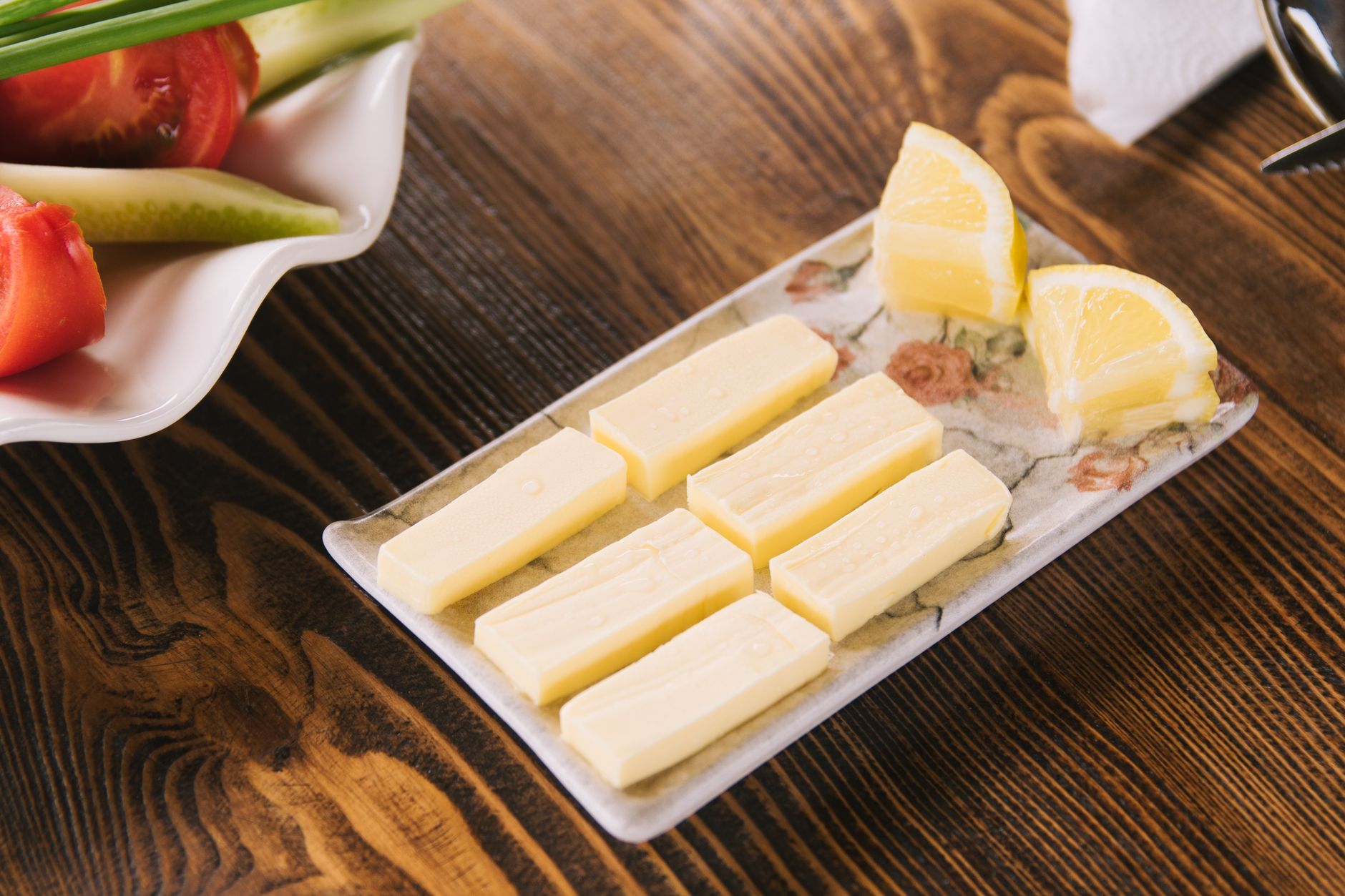
Understanding how to measure ingredients accurately is crucial in cooking and baking. One common ingredient that often creates confusion is butter, particularly when it comes to converting a stick of butter into cups. This article will provide a clear guide on how much a stick of butter equates to in cups, along with tips on measuring, storing, and using butter effectively in your cooking and baking projects.
A stick of butter is a staple ingredient in many recipes—from baked goods to savory dishes. Knowing how to convert the measurement ensures you can follow recipes accurately and achieve the desired taste and texture. Let’s delve into the specifics of butter measurement.
How Much Is a Stick of Butter in Cups?
A stick of butter typically weighs 1/2 cup or 4 ounces. This means that if your recipe calls for one stick of butter, you can substitute it with 1/2 cup when measuring. Understanding this conversion is essential for ensuring proper proportions in your cooking and baking.
Understanding Butter Measurement
Butter is often sold in sticks, and each stick is usually marked with tablespoon measurements along the wrapper. This makes it relatively easy to cut or measure precisely how much you need.
Butter Measurements
- 1 stick of butter = 1/2 cup
- 1 stick of butter = 4 tablespoons
- 1 stick of butter = 113 grams (approximately)
Why Accurate Measurement Matters
In recipes, especially in baking, the proportion of ingredients can significantly affect the final product. For instance, using too much or too little butter can result in items that are too dry, greasy, or fail to rise properly. Learning to measure butter accurately will lead to more successful cooking and baking experiences.
How to Measure Butter
Measuring butter accurately involves using a few simple methods depending on whether you are using sticks, cups, or even bulk butter.
Measuring Sticks of Butter
- Check the wrapper: Most sticks of butter have tablespoon markings along the side, making it easy to cut off the desired amount.
- Use a sharp knife: Cut along the marked lines to get the exact amount required for your recipe. If your recipe calls for a stick or two of butter, simply measure as needed.
- Convert as needed: Remember, each stick equals 1/2 cup, 4 tablespoons, or 113 grams.
Measuring Bulk Butter
If you purchase butter in bulk rather than in sticks, measuring becomes slightly trickier. Here’s how to measure bulk butter accurately:
- Use a kitchen scale: For precision, weighing butter is the best method. For instance, you would need 113 grams for one stick of butter.
- Use measuring cups: If you don’t have a scale, use a liquid measuring cup. Pack the butter into the cup, leveling it off with a knife.
Butter Substitutions
If you find yourself short on butter or looking for alternatives, there are several options available. However, remember that substitutions may alter the final flavor and texture of your dish.
Common Butter Substitutes
- Margarine: A 1:1 substitution for butter in most recipes. This may alter the flavor slightly.
- Coconut Oil: Can be used as a vegan substitute; use the same amount as butter.
- Vegetable Oil: For baking, use 1/4 cup less than the amount of butter required.
- Applesauce: Works well in baked goods; use 1/2 cup of applesauce for every cup of butter needed.
Practical Tips for Substitutions
When substituting butter, keep these tips in mind:
- Consider the flavor: Some substitutes can alter the taste of your recipe markedly.
- Monitor texture: Baked goods may differ in density or moisture content when using substitutes.
- Experiment in small batches: When trying a new substitute, start with small quantities to gauge how it affects your dish.
Cooking and Baking with Butter
Butter adds flavor and moisture to dishes while also facilitating browning. It plays a critical role in both savory and sweet recipes.
Tips for Cooking with Butter
- Room Temperature Butter: For baking, especially cookies and cakes, using room temperature butter helps to create a smooth batter.
- Brown Butter: Taking butter to the point where it turns golden brown enhances its flavor, adding nuttiness to recipes.
- Storage: Store butter in a cool place, tightly wrapped, to retain freshness. Butter can be frozen if not used within a few weeks.
Baking with Butter
Here are some baking-specific tips:
- Measuring Accuracy: Make sure to measure melted butter in a liquid measuring cup for accuracy.
- Chilled Butter: For flaky pastries, such as pie crusts, keep your butter cold to achieve the desired flaky texture.
- Beware of Overmixing: Overmixing when incorporating butter can lead to tough baked goods. Use just enough mixing until combined.
Storing Butter
Storing butter properly helps maintain its quality and freshness over time. Here are the best practices for storing butter:
Short-Term Storage
- Keep butter in its original wrapper or an airtight container to prevent it from absorbing odors.
- Store butter in the refrigerator to extend its shelf life for a few months.
Long-Term Storage
- For long-term storage, butter can be frozen. Wrap it well in foil or plastic wrap and place it in a freezer bag.
- Frozen butter can last up to a year in the freezer but should be thawed in the refrigerator before use.
Common Mistakes to Avoid with Butter
When using butter, certain common mistakes can hinder your culinary creations:
- Not softening butter: Forgetting to leave butter out to soften can lead to lumpy mixtures.
- Melting too quickly: Overheating butter for recipes can create separation; keep the heat moderate.
- Ignoring ingredient temperature: Ensure ingredients like eggs and butter are at similar temperatures for better emulsification.
Conclusion
A stick of butter is a fundamental measuring unit in cooking and baking that equates to 1/2 cup or 4 tablespoons. Understanding this measurement, along with the methods of measuring and storing butter, can greatly enhance your culinary experiences. Remember to consider your substitutes carefully, as they can dramatically alter your dish’s flavor and texture.
For further exploration, you can check out our guide on clarified butter and a delicious recipe for butter swim biscuits.