
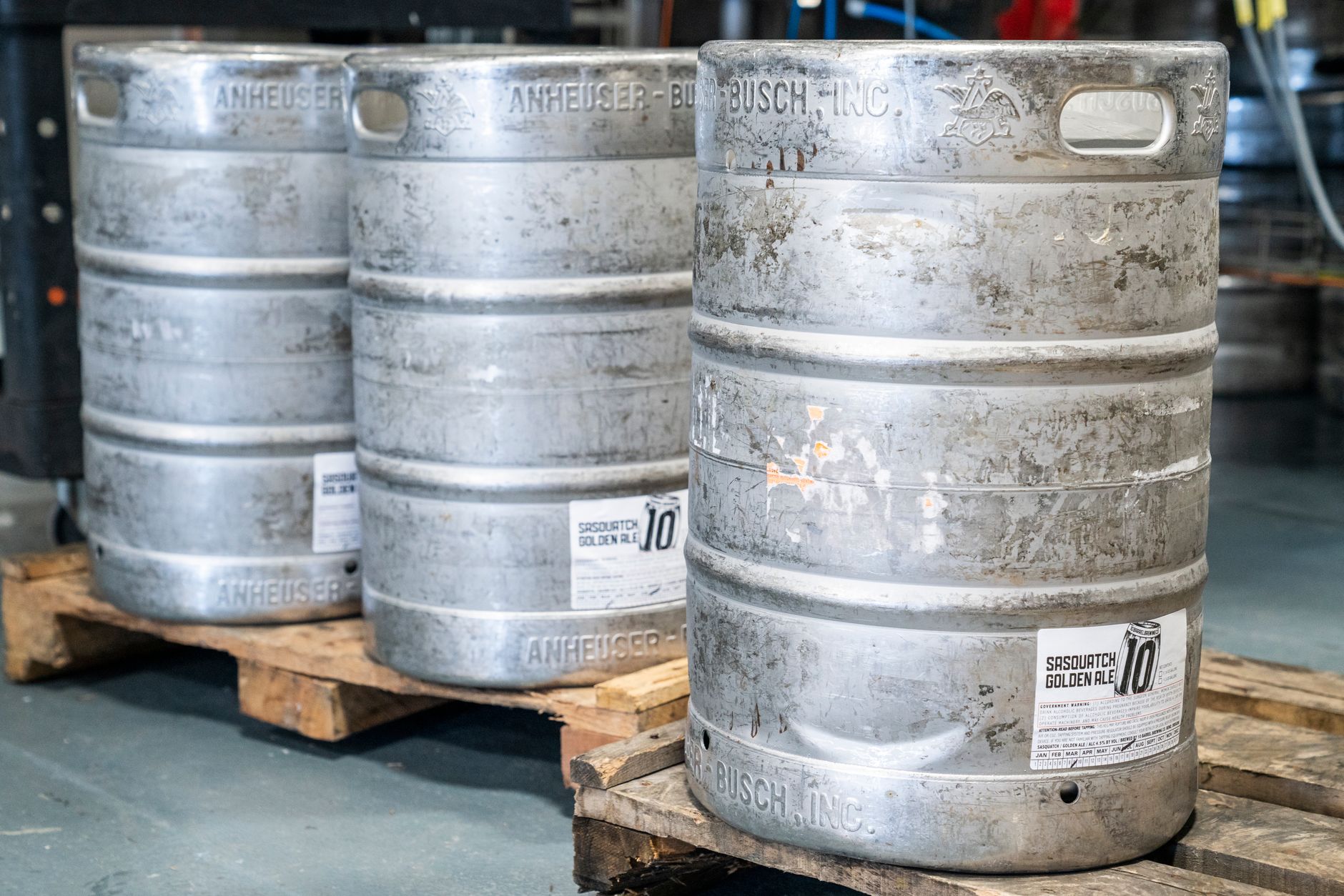
Whether you are planning a backyard barbecue, a wedding, or throwing a party, having a quarter keg on hand can enhance the festive atmosphere. However, understanding the costs involved, how many servings you can expect, and what menu options pair best with your keg can help you plan effectively. In this guide, we will cover the price of a quarter keg, serving sizes, and suitable food pairings.
A quarter keg, also known as a pony keg, typically holds 7.75 gallons of beer, equivalent to about 82 twelve-ounce servings. While prices can vary based on brand, type of beer, and location, this guide will delve into the average costs and other important factors to consider when ordering or renting a quarter keg.
How Much Is A Quarter Keg?
The price of a quarter keg can vary widely depending on several factors such as the brewery, beer style, and your geographic location. On average, a quarter keg can cost anywhere from $100 to $250.
Factors Affecting Price
- Brand of Beer: Popular or craft brands may cost more than traditional lager.
- Style of Beer: Specialty beers, IPAs, or stouts can be more expensive.
- Location: Prices tend to be higher in urban areas or regions where taxes on alcohol are steep.
- Retailer: Different liquor stores and wholesalers may offer varying prices.
- Season: Prices can increase during peak drinking seasons, like summer and holidays.
Servings and Portions
A quarter keg contains 7.75 gallons of beer, which translates to approximately 82 twelve-ounce servings. This means you can comfortably serve about 60-75 people, assuming guests don’t drink excessively.
Calculating Servings
To give you a better understanding, here is a breakdown of servings based on various container sizes:
| Container Size | Number of Servings |
|---|---|
| 12 oz | 82 servings |
| 16 oz (pint) | 62 servings |
| 20 oz (large pint) | 49 servings |
Choosing the Right Beer
Selecting the right beer for your quarter keg is vital for your event. Consider your guest’s taste preferences, seasonal drinks, and the type of event you’re hosting.
Popular Beer Types for Kegs
- Lager: A crowd favorite, easy to drink, and generally light in flavor.
- IPA (India Pale Ale): Known for its hoppy flavor, popular among craft beer enthusiasts.
- Stout: Darker beers with rich flavors; great for cooler months.
- Wheat Beer: A refreshing option that’s perfect for summer events.
- Pale Ale: A balanced choice that appeals to a wide audience.
Pairing Food with Beer: Menu Options
Food Pairings for Common Beer Styles
Here are some classic food pairings that work well with specific types of beer that you might serve from a quarter keg:
- Lager: Ideal with light appetizers like seafood, salads, or chicken wings.
- IPA: Pairs well with spicy dishes such as buffalo wings, curry, or grilled meats.
- Stout: Complements chocolate desserts, rich stews, or grilled burgers.
- Wheat Beer: Great with fresh salads, light seafood, and fruit desserts.
- Pale Ale: Works well with barbecued dishes and pizzas.
Renting vs. Purchasing a Keg
Another consideration when acquiring a quarter keg is whether to rent or purchase. Renting is often more cost-effective for short-term events, while purchasing could be worthwhile if you hold frequent gatherings.
Benefits of Renting
- Cost Savings: Cheaper for one-time events.
- Variety: Allows for trying different types of beer.
- Convenience: Retailers often handle tapping and returns.
Benefits of Purchasing
- Familiarity: You can stock your favorite brands.
- Long-term Use: Ideal for frequent entertaining.
- Potential Savings: Bulk orders can lead to discounts.
Understanding Keg Deposit Policies
When renting a keg, many retailers require a refundable deposit. This deposit varies based on the keg size and the store’s policy and could range from $30 to $150. Be sure to return the keg promptly to recover your deposit.
Essential Equipment for Serving Beer
To serve beer from a quarter keg, you’ll need some essential equipment. Here’s a quick list of what you might require:
- Keg Tap: A dispensing tool that allows you to pour beer from the keg.
- CO2 Tank: Provides pressure to push the beer out of the keg.
- Beer Lines: Tubing that connects the keg tap to the dispensing faucet.
- Ice Tub or Keg Cooler: Keeps the keg chilled during your event.
Common Mistakes to Avoid
When handling kegs and beer serving, some common mistakes may arise. Here are things to keep in mind:
Overestimating Consumption
It’s essential to gauge how much beer your guests will drink. Over-ordering can lead to waste and unnecessary cost.
Ignoring Temperature Control
Beer should be served cold. Ensure your keg is chilled before serving; an ice tub or cooling sleeve can be effective.
Poor Clearing/Cleaning of Equipment
Neglecting cleaning your keg lines can lead to unpleasant flavors. Always ensure everything is sanitized.
Make-Ahead Guidance
If you plan to throw a party, preparation is key. Here are a few tips on how to get everything ready for a smooth experience:
- Order your keg at least a week in advance to ensure availability.
- Check your equipment the day before; make sure everything is clean and functioning.
- Chill your keg at least 24 hours before your event to ensure it’s cold enough.
- Prepare snacks or food ahead of time, choosing recipes that can be made a day in advance.
Storage and Handling of Kegs
Proper storage is crucial for maintaining the quality of your beer. If you’re not finishing the keg in one event, here’s how to keep it fresh.
Storing an Opened Keg
- Keep the keg in a cool place, ideally at a temperature between 34°F and 38°F.
- Use a CO2 tank to maintain pressure; this helps prevent excessive foam and oxidation.
- A tapped keg generally lasts about 1-2 weeks if stored correctly.
Storing an Unopened Keg
- Unopened kegs should be stored upright in a cool, dark place.
- Follow any expiration dates printed on the keg for the best quality.
Conclusion
Understanding the costs associated with a quarter keg, the number of servings, and how to complement your beer with food can enhance any event. Be sure to consider factors like beer style, serving requirements, and equipment needed to make your occasion a hit.
To further boost your culinary experience, explore related resources on our site like meal planning tips and essential equipment guides for entertaining. Trust us; a little preparation goes a long way in ensuring your gathering is memorable.