
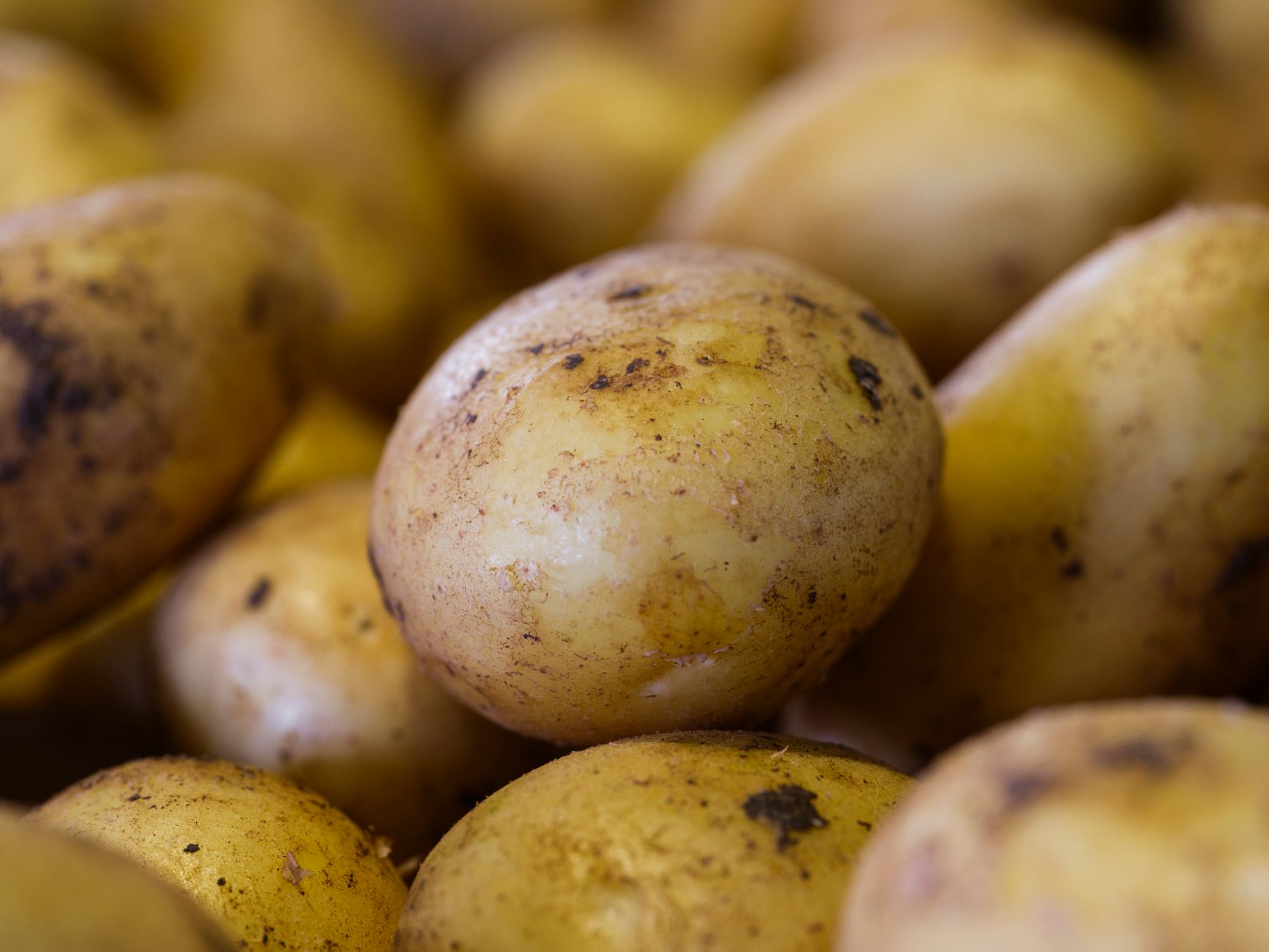
Potatoes are a staple in many kitchens around the world, known for their versatility and comforting flavors. When cooking with potatoes, understanding how much a pound of them weighs can significantly impact your meals, budget, and meal planning. This article will explore the cost of potatoes, their types, how to select them, and some ideas for incorporating them into your meals.
Whether you’re making mashed potatoes for a family gathering or roasting them as a side dish, knowing the cost and quantity of potatoes needed will help you create delicious dishes without breaking the bank. Let’s dig into everything you need to know about purchasing and using potatoes effectively.
How Much Is a Pound of Potatoes?
The price of a pound of potatoes can vary based on several factors, including location, variety, and season. On average, a pound of potatoes ranges from $0.50 to $1.50 in grocery stores throughout the United States. Specialty or organic varieties may cost more, sometimes reaching up to $3 per pound or higher.
When buying potatoes, consider how the form and type can affect the price:
- Russet Potatoes: Commonly used for baking and frying, typically ranges from $0.50 to $1.00 per pound.
- Yukon Gold Potatoes: Known for their creamy texture, they usually cost around $0.80 to $1.50 per pound.
- Red Potatoes: Often used in salads and roasting, generally priced between $0.70 and $1.30 per pound.
- Sweet Potatoes: A sweeter alternative, they can be a bit pricier, usually ranging from $0.80 to $1.50 per pound.
Types of Potatoes and Their Uses
Different types of potatoes have unique flavors and textures, and they are better suited for specific cooking methods. Understanding these differences can help you choose the right variety for your recipes.
1. Russet Potatoes
Russet potatoes are characterized by their brown, rough skin and starchy interior. They are ideal for baking, mashing, and frying due to their fluffy texture once cooked. A classic choice for French fries and baked potatoes, russets are a great pantry staple.
2. Yukon Gold Potatoes
Yukon Golds feature a thin, golden skin and a buttery flavor, making them excellent for boiling, roasting, and baking. Their waxy texture holds up well in salads, making them a versatile option for various dishes.
3. Red Potatoes
Red potatoes have a smooth, red skin and a moist, waxy texture. They are perfect for roasting and making potato salad, as they hold their shape well during cooking. Their mildly sweet taste enhances many dishes.
4. Sweet Potatoes
Sweet potatoes are known for their natural sweetness and vibrant orange flesh. They are nutritious and can be baked, mashed, or made into fries. Sweet potatoes can also be substituted for regular potatoes in many recipes to add a unique flavor profile.
How to Select Potatoes
Choosing quality potatoes is essential for achieving the best results in your cooking. Here are key tips for selecting good potatoes:
- Look for Firmness: Pick potatoes that are firm to the touch and free of soft spots or wrinkles.
- Check for Sprouts: Avoid potatoes with sprouting eyes, as this indicates they may be old or past their prime.
- Avoid Green Skin: Green skin on potatoes indicates solanine, a toxic compound. Always discard green potatoes before cooking.
- Inspect for Bruising: Ensure the potatoes are free from significant cuts or bruises, which can lead to spoilage.
Storing Potatoes
Proper storage of potatoes extends their shelf life and maintains quality. To store potatoes effectively:
- Keep them in a cool, dark, and well-ventilated area. A pantry or a root cellar works best.
- Avoid refrigeration, which can convert starches into sugars and affect their flavor.
- Do not wash potatoes before storing. Moisture can lead to decay.
- Use a breathable bag or a basket to allow for airflow while preventing excessive light exposure.
Cooking Techniques with Potatoes
Potatoes can be prepared using various cooking methods. Here are some popular techniques:
1. Boiling
Boiling is a simple technique that works well for many potato dishes. To boil potatoes:
- Scrub potatoes clean and peel if desired.
- Cut into even-sized pieces for uniform cooking.
- Place in a pot, cover with cold water, and add salt.
- Bring to a boil, reduce heat, and cook until fork-tender (about 10-20 minutes, depending on size).
- Drain and let cool slightly before using in recipes like potato salad or mashed potatoes.
2. Roasting
Roasting potatoes brings out their natural sweetness and creates a crispy texture. For roasted potatoes:
- Preheat oven to 425°F (220°C).
- Cut potatoes into wedges or cubes, and place them in a bowl.
- Toss with oil, salt, pepper, and any desired herbs or spices.
- Spread evenly on a baking sheet.
- Roast for 25-35 minutes until golden brown and crispy, tossing halfway through.
3. Mashing
Mash potatoes for a creamy, comforting side dish. Here’s how:
- Boil potatoes as described above until tender.
- Drain and return to the pot off the heat.
- Add butter, milk, salt, and pepper to the warm potatoes.
- Use a potato masher or ricer to blend until smooth.
- Adjust seasoning and add herbs or garlic for added flavor if desired.
4. Frying
Fried potatoes can be deliciously crispy and golden. For frying:
- Slice potatoes into thin rounds or sticks.
- Heat oil in a deep skillet or fryer to 350°F (175°C).
- Fry in small batches until golden brown and float to the surface (about 3-5 minutes).
- Drain on paper towels and season immediately with salt.
Meal Planning with Potatoes
Incorporating potatoes into your meal planning can greatly enhance your weekly menus. Here are some ideas to consider:
- Versatile Side Dishes: Potatoes can complement nearly any main dish from roasted chicken to grilled fish.
- Batch Cooking: Make a large batch of mashed potatoes and freeze individual portions for quick weeknight dinners.
- Meal Prep: Boil or roast potatoes ahead of time to make assembling meals easier during busy days.
- Use in Breakfast: Add diced potatoes to breakfast hashes or frittatas for a hearty morning meal.
Potato Substitutions
If you find yourself without potatoes, or if you’re exploring alternatives for dietary reasons, consider these substitutions:
- Cauliflower: Cauliflower can be used to create a lower-carb alternative for mashed potatoes. Steam and blend it for similar texture.
- Parsips: For a sweeter flavor, parsnips can replace potatoes in soups or mashes.
- Sweet Potatoes: These can be used interchangeably in many recipes, adding a unique flavor combination with added nutrients.
- Turnips: Another root vegetable that offers a similar texture when cooked. They can be boiled and mashed or roasted.
Common Mistakes and Troubleshooting
Even the best cooks can make mistakes with potatoes. Here are some common issues and tips to avoid them:
- Overcooking: Keep an eye on boiling potatoes to avoid mushiness. Check for doneness with a fork.
- Undercooking: Ensure that potatoes are cut into even pieces for consistent cooking.
- Insufficient seasoning: Be generous with salt when boiling and seasoning mashed potatoes for enhanced flavor.
- Greasy fries: Ensure the oil temperature is high enough to fry potatoes quickly for lower oil absorption.
Creative Recipes Featuring Potatoes
If you’re looking to spice things up in the kitchen, consider these delicious potato-based recipes:
- Potato Candy: A sweet treat incorporating mashed potatoes to create a unique candy experience.
- Loaded Mashed Potatoes: A rich and hearty side, loaded with cheese, bacon, and green onions.
Conclusion
Understanding the cost, types, uses, and cooking methods for potatoes empowers you to create delicious meals while also being budget-conscious. From selecting the perfect variety to exploring different cooking techniques, potatoes offer endless possibilities in the kitchen. Remember to look for fresh, quality potatoes and experiment with them in your meals for a delicious and satisfying experience.
For more recipes and tips that utilize common ingredients, explore our guides on potato candy or loaded mashed potatoes to further enjoy the versatility of this beloved ingredient.