
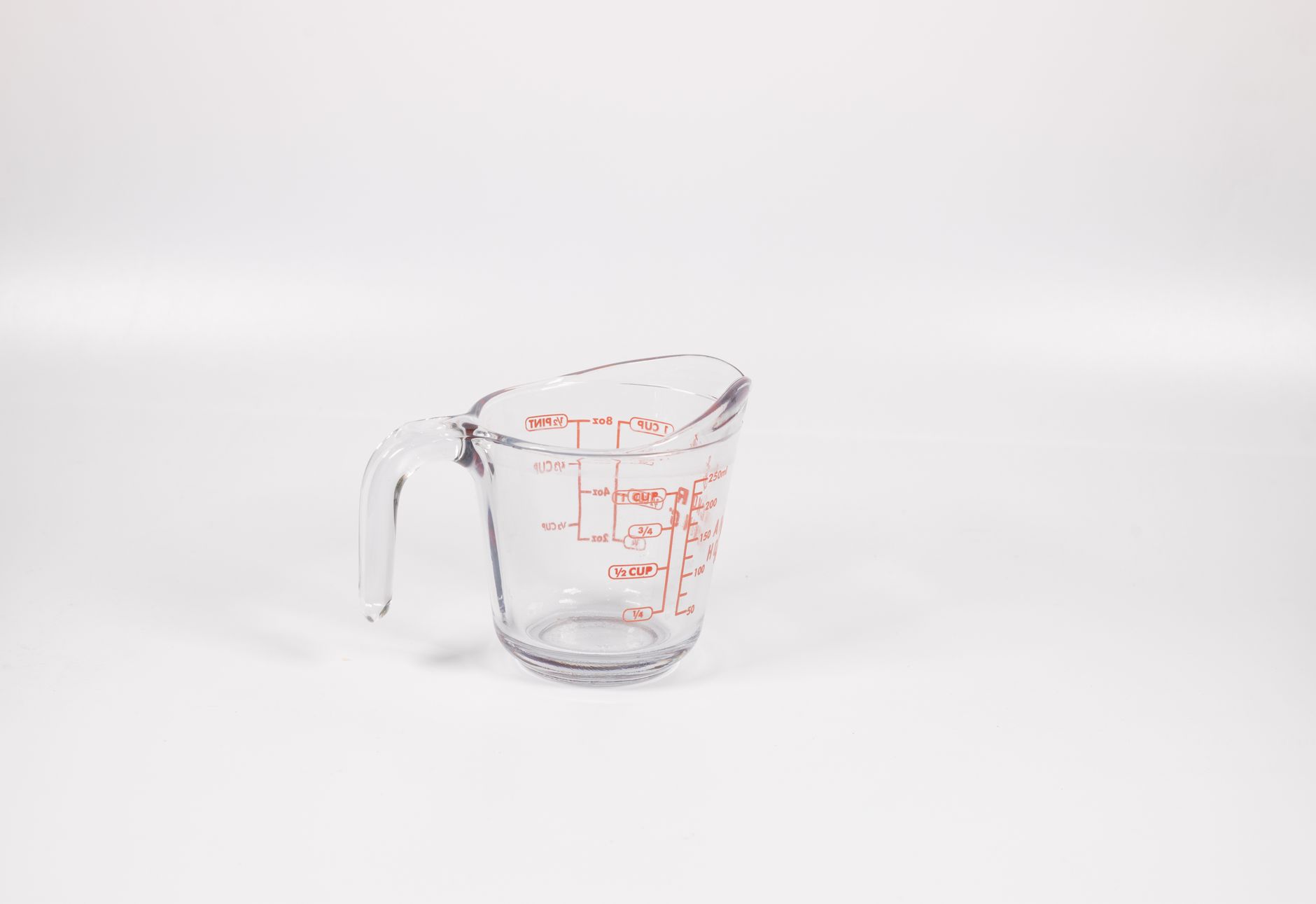
Understanding the relationship between different units of measurement is crucial in cooking and baking, especially when working with recipes from various sources. One common question that comes up is, “How much is a pint in ounces?” This article will clarify this conversion and explore its significance in culinary practices.
Not only will we break down the conversion factor, but we will also discuss when a pint is used in cooking and how to ensure your measurements are accurate. Whether you are following a traditional British recipe or an American one, knowing how to convert pints to ounces can enhance your culinary experience.
How Much Is A Pint In Oz?
A pint is equal to 16 fluid ounces in the United States and 20 fluid ounces in the United Kingdom. This measurement is essential for accurately following recipes and making sure you have the correct ingredient ratios.
Understanding Fluid Ounces and Pints
Fluid ounces (fl oz) and pints are both units of volume measurement used primarily for liquids. The differences between them can lead to confusion, especially since the U.S. pint and the British pint have different values.
The U.S. Pint
In the United States, the pint is defined as 16 fluid ounces. This is the measurement used in most American recipes, particularly in cooking, baking, beverages, and more. When a recipe calls for a pint of liquid, it is safe to measure out 16 fl oz.
The U.K. Pint
Conversely, the British pint is larger, amounting to 20 fluid ounces. Many traditional British recipes, especially those for beverages like beer or milk, will use this measurement. Thus, when dealing with British recipes, it’s essential to be aware of this distinction to avoid any miscalculations.
Why the Difference Matters
The difference in pint measurements can significantly affect your results in the kitchen. A recipe calling for a pint may yield entirely different results if you use the wrong pint size—especially in baking, where accurate measurements are critical for texture and flavor.
Conversions and Practical Usage
To use conversions effectively, remember these conversions:
- 1 U.S. pint = 16 fluid ounces
- 1 U.K. pint = 20 fluid ounces
When to Use Pints in Cooking
Pints are commonly used for measuring liquids like milk, cream, broth, and beer. Here are some instances where you might encounter pint measurements in recipes:
- Soups and sauces often require pints of broth or stock.
- Beverages like punches or cocktails may call for pints of juice or alcohol.
- Baked goods may require pints of buttermilk or cream for specific recipes.
Measuring Techniques for Accuracy
When converting pints to ounces or measuring liquids, accuracy is crucial. Here are some tips to ensure that your measurements are spot on:
- Use standard measuring cups designed for liquid. These typically have measurements marked on the side.
- Measure at eye level to ensure you are reading the measurement accurately.
- Pour slowly and use a spatula to help guide the flow of thicker liquids.
Common Mistakes to Avoid
When measuring liquid ingredients, there are several common mistakes to be aware of:
- Using the wrong pint measurement (U.S. vs. U.K.): Always check the origin of the recipe.
- Packing down liquids: Unlike dry ingredients, liquid measurements should not be packed down—the correct amount should be filled fluidly.
- Not leveling off: Always ensure you’re pouring exact amounts, particularly when a recipe demands precision.
Ingredient Comparisons: Pints to Other Measurements
Understanding how pints compare to other measurement units can further simplify your cooking process. Here are some useful conversions:
- 1 pint = 2 cups
- 1 pint = 4 half-cups
- 1 pint = 567 milliliters (ml)
When to Use Alternative Measurements
While pints are often specified for liquids, many recipes can also be measured in other ways:
- If you do not have a pint measuring cup, using standard cups can work as a substitute. Just remember that 1 pint equals 2 cups.
- In recipes where precision is critical, using a kitchen scale is another method to ensure the exact amount is used.
Practical Examples of Pints in Recipes
To illustrate the importance of understanding pints and ounces, let’s take a look at a few practical recipes that might use these measurements:
Vegetable Soup Recipe
This hearty vegetable soup recipe calls for the following:
- 2 tablespoons olive oil
- 1 pint (16 fl oz) vegetable broth
- 1 cup carrots, diced
- 1 cup celery, diced
- 1 cup diced tomatoes
- 1 tablespoon dried herbs (thyme, basil, or oregano)
In this recipe, using the correct pint measurement ensures the soup has the proper consistency and flavor balance.
Pint of Beer for Marinade
Using a pint of beer in a marinade can lend a unique flavor profile to meats:
- 1 pint (20 fl oz) of your favorite beer
- 2 tablespoons soy sauce
- 1 tablespoon brown sugar
- 2 cloves garlic, minced
Always remember that the marinade will taste different depending on the beer you use, and the proportions should be precise to maintain the intended flavor.
Conclusion
Understanding the difference between pints and ounces, especially regarding U.S. and U.K. measurements, can dramatically improve your cooking practices. Always check your measurements and know which system of measurement you are using for each recipe.
Now that you’re equipped with this knowledge, you can confidently tackle recipes that use pints as a measurement. Experiment with your recipes with precise measurements, and rest assured that you’re following them correctly!
Feel free to explore additional cooking tips on topics like knowing how long cooked chicken lasts or how to tell if salmon is bad for ensuring your food safety and quality.