
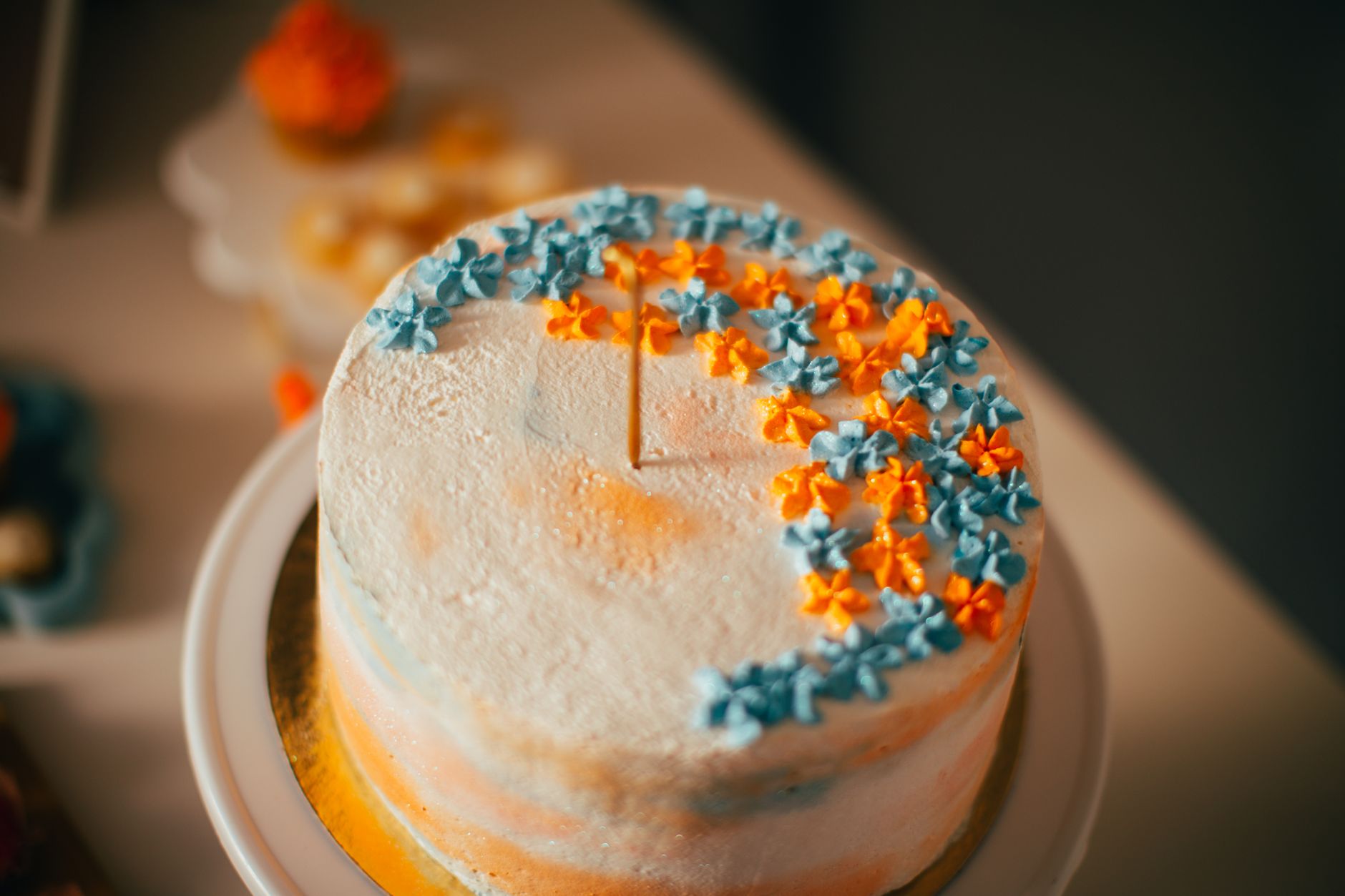
When planning a celebration or special gathering, knowing how much cake to make is crucial. An 8 inch cake is a popular size for many events, from birthdays to weddings. Understanding how many people a standard 8 inch cake can serve will help you ensure everyone gets a slice of the deliciousness.
In this article, we will delve into how many servings an 8 inch cake typically provides, the factors that influence serving sizes, and provide insights on portion control and menu planning for your events.
How Much Does an 8 Inch Cake Feed?
An 8 inch round cake generally feeds around 12 to 16 people, depending on how the cake is sliced. Standard serving sizes are typically about 2 inches by 2 inches, but if the cake is cut into smaller portions, it can serve more guests.
Understanding Cake Portions
Before we dive into the specifics, it’s essential to understand what goes into determining cake portions. Various factors come into play, including the thickness of the slices and the type of cake. Here’s a deeper look at these variables.
Standard Cake Sizing
- Two-Layer Cakes: A typical 8 inch cake can be layered, which contributes to more servings, especially if each layer is filled and frosted.
- Single vs. Multi-tiered: Multi-tiered cakes can increase servings, while a single-tier cake will generally yield fewer.
- Type of Cake: Some cakes, like sponge or chiffon, may have a lighter texture and can be sliced thinner, thus providing more servings.
Serving Sizes
For most occasions, an 8 inch cake is considered ideal for gatherings. The number of servings can be split further based on how generous you want the portions to be. Here’s a quick breakdown:
| Serving Size | Estimated Servings |
|---|---|
| 2×2 inches (Standard) | 12-16 servings |
| 1.5×2 inches (Small) | 16-20 servings |
| 2×3 inches (Generous) | 8-10 servings |
Factors That Affect How Many Servings You Get
Several factors influence the number of servings an 8 inch cake can provide. By understanding these considerations, you can adjust accordingly based on your event’s needs.
Type of Cake
The type of cake you are serving can significantly affect how it is sliced and how many servings it provides. Here are some common cake types and their serving tendencies:
- Butter Cakes: Dense and rich, typically served in slightly larger portions.
- Sponge Cakes: Airier and lighter, often sliced smaller.
- Cheesecakes: Usually served in smaller portions due to their rich flavor and texture.
Frosting and Fillings
The amount of frosting and fillings can also influence portion sizes. Heavily frosted cakes may appeal to guests, encouraging smaller slices to balance out richness. Conversely, cakes with lighter frosting might allow for slightly larger cuts without overwhelming flavors.
Planning for Events
When planning an event, it’s vital to consider the number of guests, their preferences, and any dietary restrictions. Here are steps to help you plan efficiently.
Calculating Cake Amounts
To determine how much cake you need, follow these steps:
- Estimate the number of guests.
- Decide on the type of cake and its richness (buttery vs. sponge).
- Choose a serving size based on your guests’ preferences and dietary considerations.
- If suitable, consider pairing your cake with other desserts to ensure variety and satisfy all appetites.
Budgeting and Making Ahead
When budgeting for your cake, keep in mind ingredient costs, decoration, and potential delivery fees. If your event is on a specific date, consider these tips for making ahead without sacrificing quality:
- Bake in Advance: Cakes can be baked and frozen ahead of time. Ensure you wrap them well in plastic and aluminum foil.
- Prepare Frosting Early: Most frostings can be made a day or two in advance and stored in the fridge.
- Decorate Closer to the Event: Finish decorations on the day of the event for a fresh appearance.
Managing Leftovers
If you’re concerned about having leftover cake, here are some tips on how to handle it:
Storage Tips
- Airtight Containers: Store leftover cake in an airtight container to maintain freshness.
- Refrigeration: Most cakes, especially those with perishable frosting or fillings, should be refrigerated.
- Freezing: If you have a significant quantity left, consider freezing individual slices for later enjoyment.
Creative Ways to Use Leftover Cake
Leftover cake doesn’t have to waste. Consider these creative ideas:
- Cake Truffles: Crumble the cake and mix it with frosting, then form into balls and coat with chocolate.
- Parfaits: Layer crumbled cake with yogurt and fruit for a delicious parfait.
- Ice Cream Sundaes: Crumbled cake can be used as a topping for ice cream, adding flavor and texture.
Final Thoughts on Cake Portions
When planning for an 8 inch cake, remember that the number of servings can vary based on how you slice it, the type of cake, and dining preferences. With the right planning, you can ensure that everyone at your event gets to enjoy a delightful piece of cake. Whether you’re making a simple layer cake for a small birthday celebration or a rich cheesecake for an elegant gathering, understanding portion sizes is key to successful event planning.
Now that you’re armed with this knowledge, take the next step for your event and decide what delicious cake you’ll create next! For those looking for inspiration, explore these recipes for a Strawberry Crunch Cake or a classic Buttermilk Pound Cake. Happy baking!