
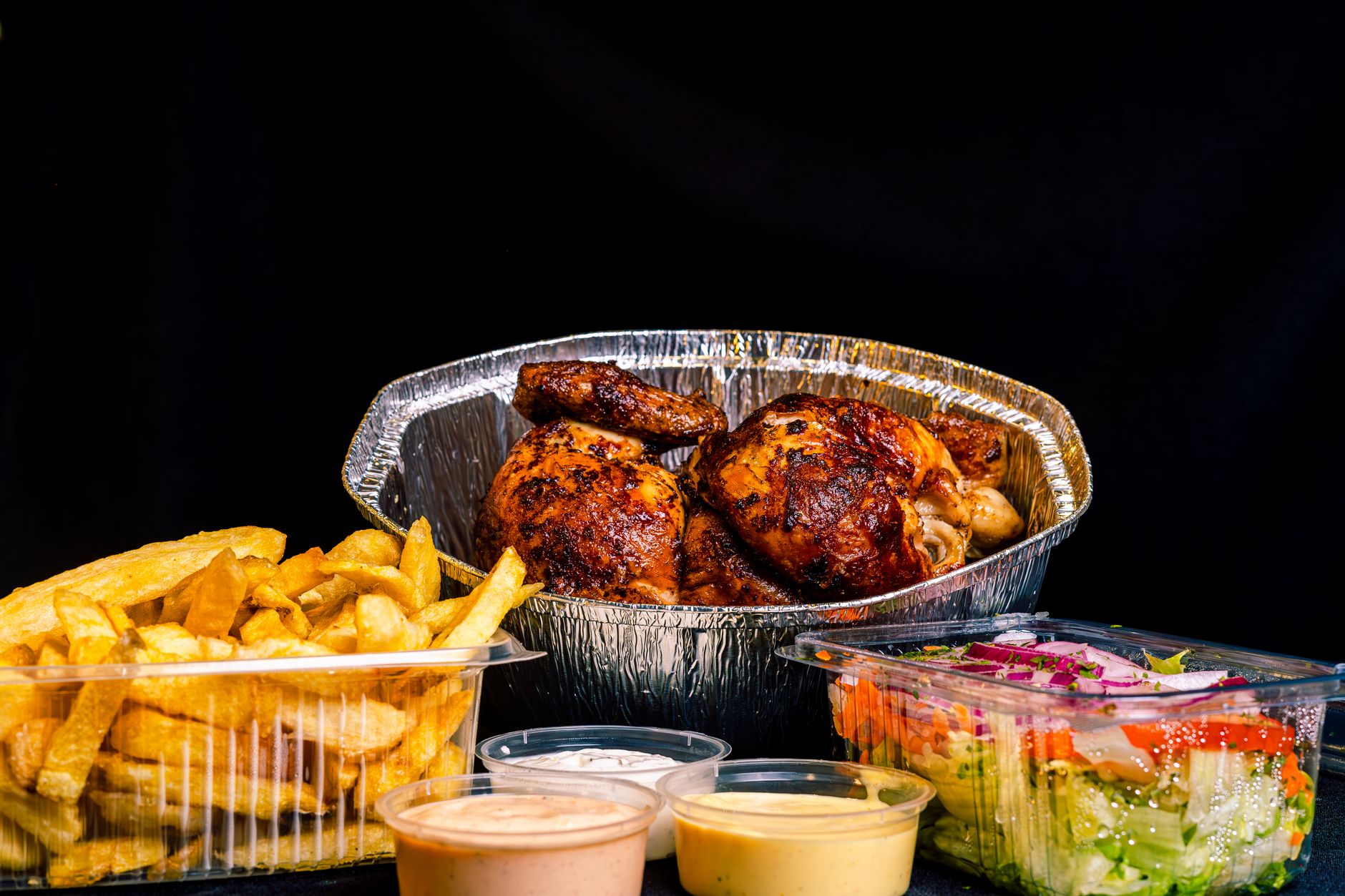
Rotisserie chickens have become a staple in many households due to their convenience and delicious flavor. Available at various grocery stores and delis, these ready-to-eat birds offer a simple solution for busy weeknight dinners or meal prep. But how much does a rotisserie chicken weigh, and does the weight impact portion sizes and meal planning?
Understanding the weight of a rotisserie chicken can help you make informed decisions when purchasing and using this versatile ingredient. Let’s dive into the specifics of rotisserie chicken weights, how they vary based on size, and how this information can aid in your cooking and meal planning strategies.
How Much Does a Rotisserie Chicken Weigh?
Typically, a whole rotisserie chicken weighs between 2.5 to 4.5 pounds. Smaller chickens often weigh around 2.5 to 3 pounds, while larger ones can reach up to 4 pounds or more. The weight can vary based on the cooking method, the breed of chicken, and the specific store or brand.
Factors Affecting Rotisserie Chicken Weight
1. Chicken Size
When selecting a rotisserie chicken, size is a crucial factor. Chickens are categorized by weight, and most grocery stores offer small, medium, and large options. The weight influences the number of servings you can get from the chicken. For planning meals, choosing an appropriate size based on your family’s needs is essential.
2. Cooking Method
The cooking method can also impact the final weight of the bird. Rotisserie chickens are cooked slowly over an open flame or heat source, which allows for even cooking and a flavorful, crispy skin. However, during the cooking process, some moisture and fat are lost, which can slightly reduce the chicken’s final weight.
3. Brand Differences
Different brands or grocery stores may have varying standards for their rotisserie chickens. Some may source larger birds, while others might offer smaller, more manageable sizes. It’s always a good idea to check the label or ask store employees about weight specifics if you have a preference.
Average Weight and Serving Sizes
When calculating how many servings a rotisserie chicken can provide, understanding the average weight is beneficial. A typical rotisserie chicken weighing about 3.5 pounds can yield approximately 4 to 6 servings, depending on portion sizes.
Common Serving Sizes
- 1/4 of the chicken for a substantial meal (would serve 4 people)
- 1/8 of the chicken, which provides sufficient protein for light meals (would serve 8 people if paired with sides)
Keep in mind that these serving sizes can vary based on individual appetites and the number of side dishes served with the chicken.
Preparing and Serving Rotisserie Chicken
Once you’ve selected your rotisserie chicken, preparation is minimal. The chicken is already cooked and ready to eat, making it a convenient option for busy individuals or families. Here’s how to best serve and incorporate a rotisserie chicken into your meals:
1. Shredding or Slicing
Rotisserie chickens can be sliced into pieces or shredded, depending on your preference. Shredding is particularly useful for salads, sandwiches, or tacos, while sliced pieces work well for plating with sides.
2. Pairing with Sides
The beauty of rotisserie chicken lies in its versatility. It pairs exceptionally well with various sides, such as:
- Roasted vegetables
- Steamed rice or quinoa
- Macaroni and cheese
- Salads
- Potato wedges or mashed potatoes
These side dishes help round out your meal and make the chicken last longer for multiple meals throughout the week.
3. Using Leftovers
If your family doesn’t consume the entire chicken in one meal, the leftovers can be stored for future use. Leftover rotisserie chicken is great for adding protein to salads, soups, enchiladas, or stir-fries.
The Cost of Rotisserie Chickens
Understanding the cost of rotisserie chickens can further enhance your meal planning. Prices vary by location and store, but on average, a rotisserie chicken costs between $5 to $10. Factors influencing price include:
1. Store Brand
Some grocery chains may have their own brands with lower prices, while premium brands may charge more for perceived quality.
2. Organic vs. Conventional
Choosing organic rotisserie chickens usually results in higher prices due to the costs associated with organic farming methods. It’s advisable to compare prices based on your budget and dietary preferences.
3. Seasonal Promotions
Occasionally, stores offer promotions or discounts on rotisserie chickens, especially during holiday seasons or special events. It’s worth watching for deals, as these can help reduce your grocery expenses.
Meal Planning with Rotisserie Chicken
When using rotisserie chicken in your meal planning, consider the following tips to maximize efficiency and minimize waste:
1. Plan Meals Ahead
Decide how you want to utilize the rotisserie chicken throughout the week. Having a plan ensures you use all of the chicken without letting any go to waste. Here are some meal ideas:
- Day 1: Serve the chicken with sides for dinner.
- Day 2: Use leftover chicken in a chicken salad for lunch.
- Day 3: Shred chicken for tacos or burritos.
- Day 4: Toss chopped chicken in a stir-fry or pasta dish.
2. Adjust Portions for Larger Groups
If you’re feeding a larger group, consider purchasing multiple rotisserie chickens based on your meal plan. A general rule of thumb is one chicken for every 4 to 6 people. This ensures everyone has enough to eat, with potential leftovers for lunch the next day.
3. Store Leftovers Properly
After enjoying your rotisserie chicken, properly store any leftovers in an airtight container in the refrigerator. For best quality, aim to consume leftovers within 3 to 4 days. Alternatively, for longer storage, consider freezing shredded chicken in portioned bags for up to four months.
Common Mistakes to Avoid
While rotisserie chickens are generally straightforward to work with, here are some common pitfalls to avoid:
1. Overestimating Portion Sizes
Many people underestimate how much chicken they will need per person. It’s better to have a little extra than to risk leaving guests hungry.
2. Neglecting Proper Storage
Improperly storing chicken can lead to spoilage or safety issues. Always ensure leftovers are cooled quickly and stored properly to avoid foodborne illnesses.
3. Relying Solely on One Meal
Utilizing the chicken across multiple meals provides both variety and convenience. Don’t let a delicious rotisserie chicken only be dinner—think of ways to incorporate it into lunches and snacks too.
Frequently Asked Questions
1. Is it safe to eat rotisserie chicken after the sell-by date?
Generally, rotisserie chickens can still be safe to eat for up to three days after the sell-by date if they were stored properly and are not showing any signs of spoilage.
2. Can I freeze a rotisserie chicken?
Yes, rotisserie chicken can be frozen. It’s best to shred the chicken and place it in freezer-safe bags to maintain quality. Consume the frozen chicken within four months for optimal taste.
3. What’s the best way to reheat rotisserie chicken?
The best way to reheat rotisserie chicken is in the oven. Preheat your oven to 350°F (175°C), place the chicken in a covered dish, and heat for 20-25 minutes, or until warmed through. This method helps retain moisture and flavor.
Final Thoughts
Understanding the weight of a rotisserie chicken and how best to utilize it can significantly enhance your meal planning and cooking experience. Despite its lean and flavorful nature, the rotisserie chicken’s versatility makes it a remarkable ingredient for any meal occasion.
Next time you’re at the grocery store, consider picking up a rotisserie chicken, knowing how much it weighs and how to make the most of it in your kitchen. For additional tips on chicken storage, check out our articles on how long cooked chicken lasts and how long chicken is good for in the fridge.