
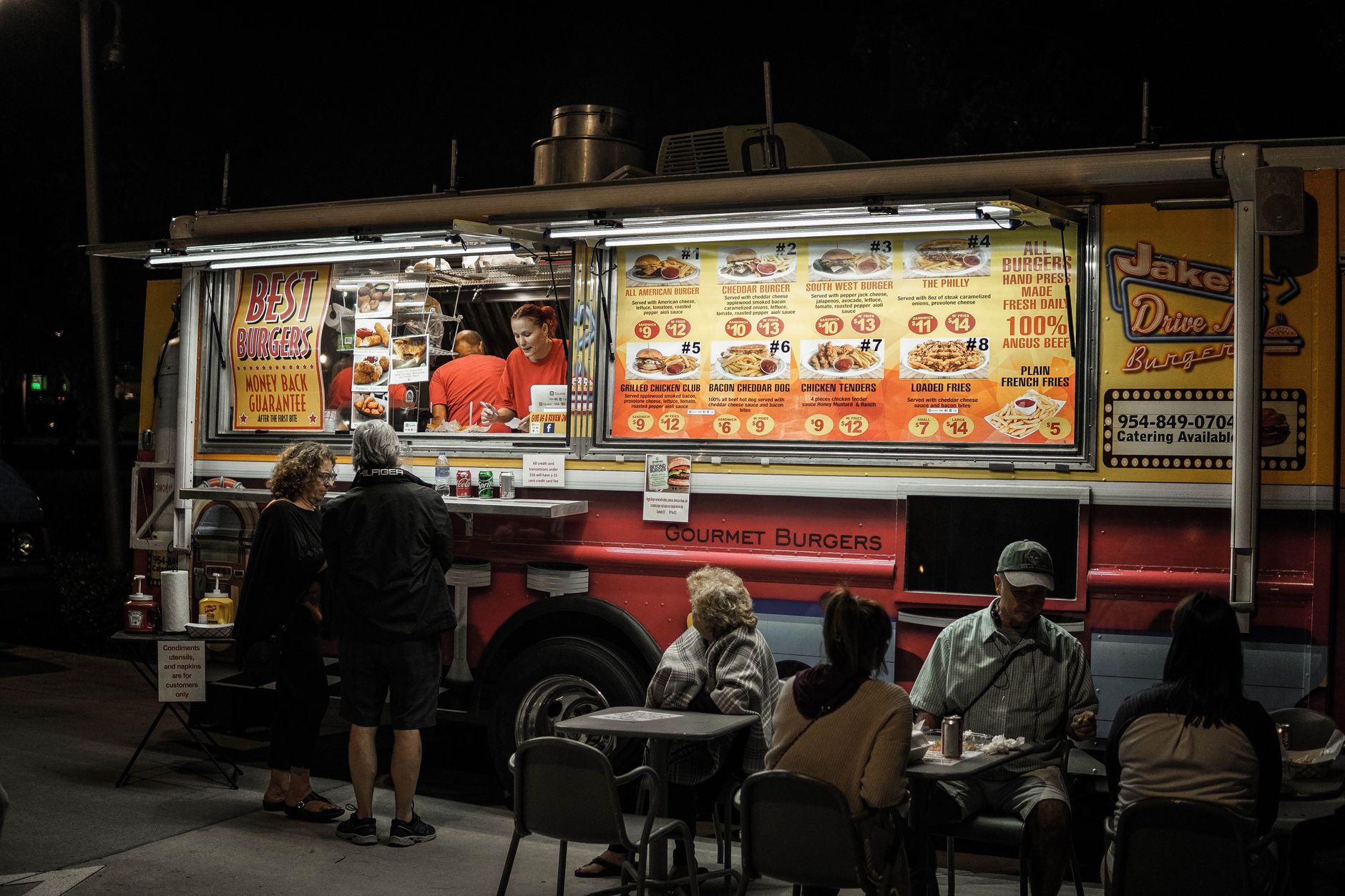
Food trucks have surged in popularity over the last decade, offering a variety of delectable meals on wheels. However, many aspiring food truck owners wonder just how much a food truck actually costs to start and operate. Understanding these costs can help you gauge whether this culinary adventure is feasible for you.
This article will delve into the various costs of starting a food truck business, including initial investments, operational expenses, and menu pricing considerations. With this information, you’ll be better prepared to navigate the food truck world.
How Much Do Food Trucks Cost?
The cost of starting a food truck can vary significantly based on several factors, including location, type of food, and the truck’s condition. On average, initial costs range from $50,000 to $250,000, which may include the truck purchase, permits, equipment, and initial inventory. Understanding this range helps aspiring food truck owners set realistic budgets.
Breaking Down Initial Costs
Several key areas contribute to the total initial costs when setting up a food truck business. Here’s a breakdown:
- Food Truck Purchase: The most significant investment will generally be the food truck itself. Costs can vary widely depending on whether you buy new or used, as well as the size and customization of the truck. A new food truck may start from $75,000, while a used truck could be found for around $20,000 to $50,000.
- Equipment: Essential kitchen equipment such as ovens, fryers, grills, and refrigeration will substantially impact your budget. For a well-equipped food truck, the costs for equipment typically range from $20,000 to $40,000.
- Licensing and Permits: Food trucks need the proper licenses to operate in their respective locations. The cost of these permits can vary, but you should budget anywhere from $500 to $5,000, depending on local regulations.
- Initial Inventory: Stocking your truck with food and drink supplies will also incur costs. An initial inventory could cost between $1,000 and $5,000 depending on the menu size and pricing.
- Insurance: Protecting your business with insurance is crucial. Expect to pay yearly premiums ranging from $1,000 to $2,500.
Operational Costs
Beyond initial startup costs, it’s vital to consider ongoing operational expenses. This includes the day-to-day costs of running your food truck.
- Food Costs: The cost to purchase ingredients will vary based on menu offerings. Generally, food costs can range between 25% to 35% of sales. Understanding your menu pricing structure will be vital in determining how much you’re spending on food per unit.
- Labor: If your food truck employs staff, you’ll need to factor in labor costs. Wages vary based on location and experience, typically ranging from $15 to $25 per hour per employee.
- Fuel and Maintenance: Fuel costs can significantly affect your overall budget. Depending on your operational area, you might spend from $100 to $500 monthly on fuel. Additionally, routine truck maintenance should be budgeted at around $200 to $1,000 annually.
- Marketing: Building a customer base involves strategic marketing which can range from $200 to $2,000 monthly. This includes social media advertising, print materials, and local events.
- Miscellaneous Costs: Finally, factor in other costs such as parking fees, accounting services, and accounting software, which could run anywhere from $50 to $300 monthly.
Understanding Menu Pricing
After establishing startup and operational costs, you should focus on menu pricing to ensure profitability. Menu pricing must consider food costs, preparation, and other overhead expenses. Here are some steps for effectively setting your menu prices:
- Calculate Food Costs: Begin by calculating the total cost of each menu item, including ingredients and portion sizes. Ensure that your food cost remains below 35% of the sale price.
- Consider Overhead Expenses: Factor in overhead costs like labor, fuel, and marketing when determining menu prices. A profit margin of 15% to 30% is recommended for food trucks.
- Assess Competition: Research similar food trucks in your area to gauge market prices. Respect the local competition to avoid pricing yourself out of the market.
- Portion Sizes: Determine ideal portion sizes based on your pricing strategy. Ensuring the right portion can affect customer satisfaction and repeat business.
- Adjust for Flexibility: Keep an eye on food trends and local events, allowing for flexibility in pricing. Offering seasonal specials or combos can also help maintain interest.
Portion Sizes and Menu Considerations
Understanding portion sizes is essential for food trucks, as it affects both food costs and customer satisfaction. Here are some guidelines:
- Portion Control: It’s important to standardize portions to maintain consistent costs and satisfy customers. Use measuring tools or pre-portioned ingredients to help with this.
- Sampling Options: Offering small samples could attract more customers and encourage higher sales of full-size items.
- Seasonal Menus: Adjusting your menu seasonally can capitalize on fresh ingredients and help control costs.
- Combo Meals: Bundle items into combo meals to increase individual sale prices while still offering customers good value.
- Dietary Preferences: Be mindful of dietary restrictions, such as gluten-free or vegan options, as these can broaden your customer base while allowing for varied pricing strategies.
Cost-Saving Tips for New Food Truck Owners
As a new food truck owner, managing expenses can be challenging. Here are some tips to help save costs:
- Consider Used Equipment: Buying used kitchen equipment can significantly lower upfront costs while still providing functionality.
- Self-Advertising: Utilize social media, word of mouth, and community engagement to market your food truck without high advertising costs.
- Optimize Menu Offerings: Limit menu items to items that use similar ingredients to manage inventory costs and reduce waste.
- Culinary Partnerships: Partnering with local markets or farms can offer competitive pricing on fresh ingredients and build community relationships.
- Value in Bulk Purchases: Purchasing supplies in bulk can also generate savings over time for frequently used items.
Financing Options for Your Food Truck
Understanding various financing options can provide you with the necessary capital to start your food truck business. Here are some common sources of funding:
- Personal Savings: Many entrepreneurs use personal savings to finance startup costs.
- Business Loans: Traditional bank loans may offer competitive interest rates for food truck financing.
- Microloans: Organizations catering specifically to small businesses may provide microloans to aid in getting started.
- Crowdfunding: Platforms like Kickstarter or GoFundMe can allow you to raise funds from the public interested in your food truck.
- Investors: It’s also possible to find private investors willing to support your business in exchange for a share of profits.
Conclusion
The costs associated with starting a food truck can be substantial, requiring careful planning, budgeting, and strategic pricing. By grasping startup expenses, ongoing costs, and how to set and price your menu, aspiring food truck owners can navigate this delicious industry more effectively.
To continue your culinary journey, explore related topics such as meal planning for your food truck menu or budgeting for small businesses. Check out how much HelloFresh costs in our articles to gain further insights into meal preparation and food pricing strategies.