
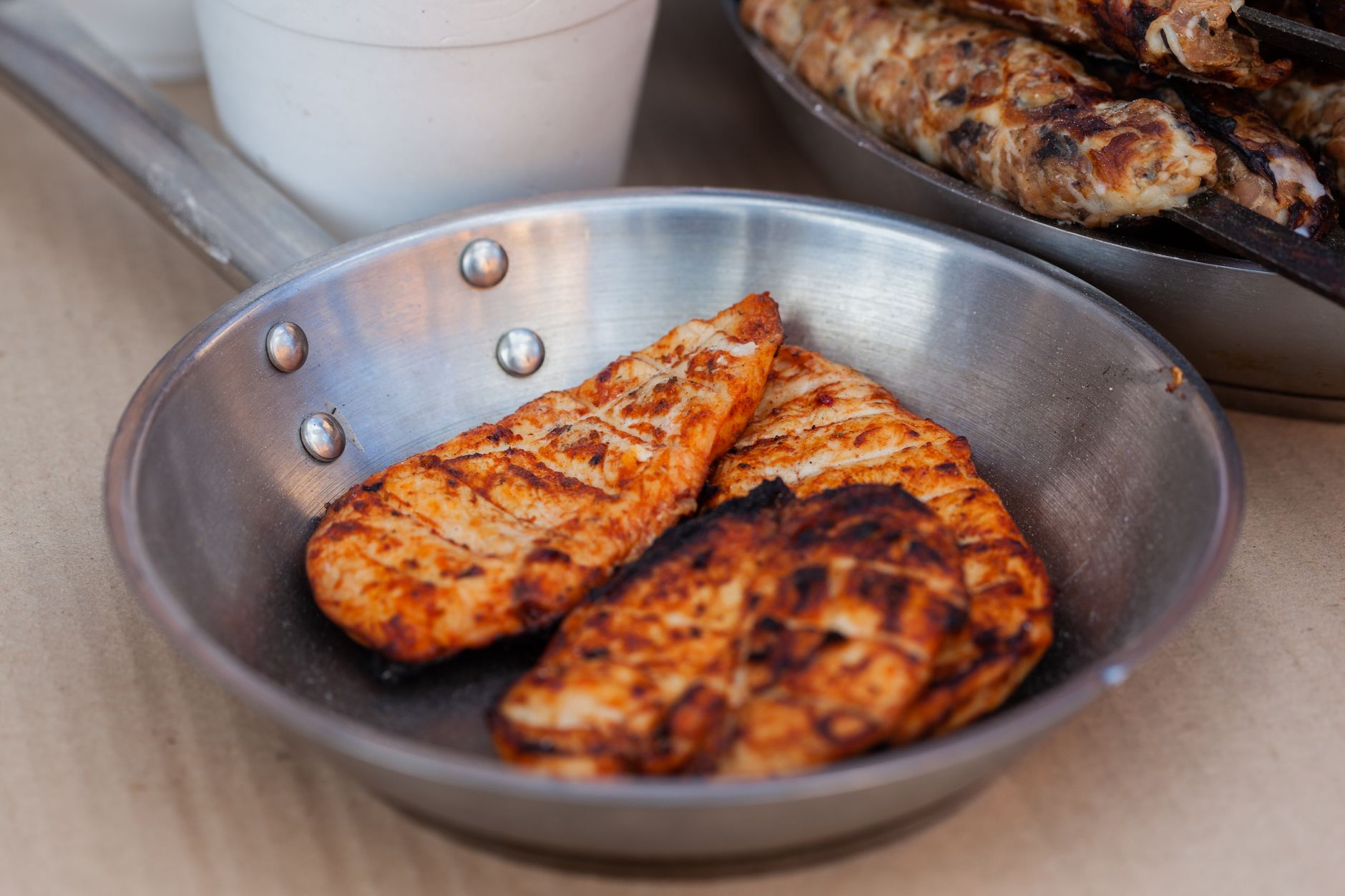
Chicken is a popular and versatile protein source enjoyed in various cuisines around the world. It’s known for its ability to absorb flavors and adapt to many cooking styles. However, beyond its culinary appeal, chicken is also a significant source of essential nutrients, including choline. This article explores how much choline is found in chicken, its health benefits, recommended daily intake, and tips on how to cook chicken while maximizing its nutritional content.
Understanding the choline content in chicken can help you make informed dietary choices, especially if you’re focused on incorporating more nutrient-dense foods into your meals. We will also compare the choline levels in different chicken parts and give practical advice on how to include chicken in your diet effectively.
How Much Choline in Chicken?
Chicken contains varying amounts of choline depending on the cut and preparation method. On average, cooked chicken breast provides approximately 74 mg of choline per 100 grams, while dark meat, such as chicken thighs, contains slightly more choline, around 81 mg per 100 grams. These amounts can contribute significantly to your daily choline needs.
What is Choline and Why is it Important?
Choline is an essential nutrient that plays a vital role in several bodily functions. It is crucial for maintaining cell membrane integrity, synthesizing neurotransmitters, and supporting liver function. Choline also plays a significant role in brain development and cognitive function, making it particularly important for pregnant and breastfeeding women.
Choline deficiency can lead to several health issues, including liver dysfunction, muscle damage, and neurological disorders. Since the body cannot produce choline in sufficient quantities, it is essential to obtain it from dietary sources.
Recommended Daily Intake of Choline
The recommended daily intake of choline varies by age, gender, and life stage. According to the National Institutes of Health (NIH), adult men should aim for about 550 mg of choline per day, while adult women should target approximately 425 mg. Pregnant and breastfeeding women have higher requirements, needing around 450 mg and 550 mg, respectively.
Choline Content by Chicken Cut
The choline content in chicken can vary depending on the specific cut. Here’s a breakdown of choline content in various parts of chicken:
| Chicken Cut | Choline Content (mg per 100g) |
|---|---|
| Chicken Breast (cooked) | 74 |
| Chicken Thigh (cooked) | 81 |
| Chicken Liver (cooked) | 356 |
| Chicken Wing (cooked) | 65 |
Cooking Methods That Preserve Choline
Cooking methods can affect the nutrient content of chicken, including choline levels. Here are some methods that tend to preserve the choline content effectively:
- Grilling: Grilling chicken can help retain its nutrients, including choline, as it cooks quickly and does not require extra fats.
- Steaming: Steaming chicken is another gentle cooking method that preserves choline effectively, as it prevents direct contact with water that may leach away nutrients.
- Baking: Baking chicken in a covered dish helps to retain moisture and nutrients. This method can be combined with flavorful marinades or herbs to enhance taste without sacrificing health benefits.
- Sautéing: Quick sautéing at high heat can help maintain choline levels while also producing a delicious meal.
Combining Chicken with Other Choline-Rich Foods
To further boost your choline intake, consider pairing chicken with other foods high in choline. Here are some excellent accompaniments:
- Eggs: Eggs are one of the richest sources of choline, providing more than 150 mg per large egg. Incorporating eggs into a chicken dish can significantly enhance choline intake.
- Broccoli: This cruciferous vegetable contains moderate levels of choline and offers additional health benefits and flavor.
- Quinoa: This grain is not only a great source of protein but also contains choline. It makes a suitable side dish for chicken.
- Peanuts: Snacking on peanuts or adding them as a topping can also increase choline consumption while adding a delightful crunch.
Tips for Preparing Chicken
Preparing chicken for maximum flavor and nutrition can enhance your meals. Here are some tips to consider:
- Select Fresh Chicken: Choose high-quality, fresh chicken from reputable sources. Organic and free-range options may offer better nutrient profiles.
- Marinate for Flavor: Use marinades that include citrus or vinegar, which can enhance both flavor and potentially enhance nutrient absorption.
- Do Not Overcook: Overcooking chicken can lead to not only a dry texture but also a loss of nutrients, including choline.
- Rest After Cooking: Allow the chicken to rest for a few minutes after cooking to retain juices and nutrients.
Storing Cooked Chicken Safely
Proper storage of cooked chicken is important to maintain quality, flavor, and safety:
- Store the cooked chicken in an airtight container to prevent contamination.
- Refrigerate leftover chicken within two hours of cooking.
- Consume refrigerated chicken within 3-4 days. If you need to store it longer, consider freezing it.
- When reheating, ensure the internal temperature reaches 165°F (74°C) to ensure safety.
Common Mistakes When Cooking Chicken
Here are some common mistakes to avoid when cooking chicken to ensure it remains tasty and nutritious:
- Not Checking the Temperature: Inadequately cooking chicken can lead to foodborne illnesses. Always use a food thermometer to check for doneness.
- Skipping the Marinade: Failing to marinate chicken can result in a lack of flavor. Even a quick marination can significantly enhance the taste.
- Overcrowding the Pan: Overcrowding can lead to uneven cooking. Cook in batches if necessary to achieve even results.
- Ignoring Rest Time: Not allowing chicken to rest can lead to dry meat. Letting it rest helps retain flavors and moisture.
Getting Creative with Chicken Recipes
To incorporate chicken into your meals while maximizing choline intake, here are some creative recipe ideas:
- Chicken Stir-Fry: Combine sliced chicken breast with colorful vegetables like bell peppers, broccoli, and carrots, and sauté them in flavorful sauces.
- Chicken Salad with Eggs: Create a hearty chicken salad using diced chicken, hard-boiled eggs, leafy greens, and a tangy dressing.
- Stuffed Chicken Breasts: Fill chicken breasts with spinach, feta cheese, and herbs for a delicious and nutritious dish.
- Chicken Quinoa Bowl: Serve grilled chicken over a bed of quinoa, topped with avocado, cherry tomatoes, and a drizzle of lemon vinaigrette.
Final Thoughts on Choline and Chicken
Chicken is a nutritious and versatile protein that can help you meet your daily choline needs. With various cuts available and an array of cooking methods that preserve its nutrient content, chicken can be a delicious addition to a balanced diet. Aim to combine chicken with other choline-rich foods to maximize the health benefits.
Understanding the choline content in chicken and recognizing the importance of this nutrient can empower you to make healthier meal choices, ensuring you support your cognitive functions and overall well-being. So next time you’re in the kitchen, consider how you can creatively prepare and serve chicken while boosting your nutrient intake at the same time.
If you’re curious about how to store cooked chicken properly, check out our guide on how long does cooked chicken last. Additionally, exploring ways to make your own chicken stock can add even more depth and flavor to your home-cooked meals.