
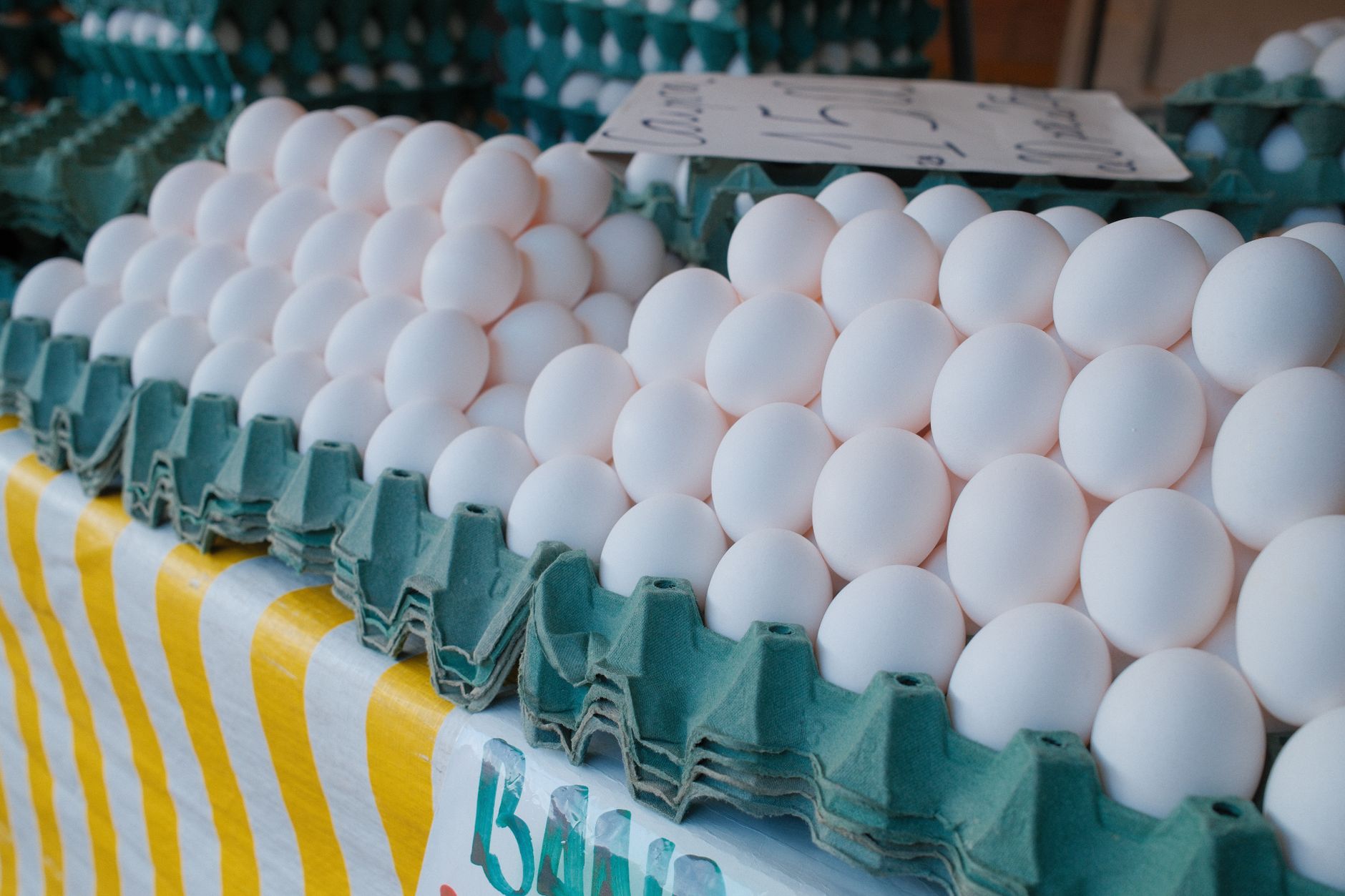
Choline is an essential nutrient that plays a crucial role in various bodily functions, including brain development and liver health. One of the most accessible and nutrient-dense sources of choline is the humble egg. In this guide, we will explore how much choline is found in an egg, the nutritional benefits of choline, and how you can incorporate eggs into your diet.
Whether you enjoy eggs for breakfast, in salads, or as part of a main dish, understanding their choline content will help you make informed dietary choices. Let’s dig deeper into the specifics of choline in eggs and how they contribute to your overall nutrition.
How Much Choline in an Egg?
The approximate choline content in a standard large egg is about 147 milligrams. This amount varies slightly based on the size of the egg and the hen’s diet. Eggs are considered one of the best sources of choline, providing more than half of the recommended daily intake in just one egg.
Understanding how much choline is in various egg preparations can further assist in meal planning. Here we will delve into different egg portions and their associated choline levels, discussing both cooked and raw eggs.
Daily Choline Recommendations
The dietary requirements for choline differ based on age, sex, and life stage. Here are the general recommended intakes:
- Men (19 years and older): 550 mg
- Women (19 years and older): 425 mg
- Pregnant women: 450 mg
- Lactating women: 550 mg
With a single large egg containing around 147 mg of choline, eggs can significantly help meet daily needs, especially when consumed regularly.
Choline in Different Egg Types
Not all eggs are created equal when it comes to their nutritional content. The choline levels can vary based on factors such as the hen’s diet and the type of egg. Here is a comparison of common egg types:
| Type of Egg | Choline Content (mg per Egg) |
|---|---|
| Large Chicken Egg | 147 |
| Medium Chicken Egg | 125 |
| Duck Egg | 220 |
| Quail Egg | 16 |
As shown above, duck eggs tend to have a higher choline content in comparison to chicken and quail eggs. Therefore, when planning your diet for choline intake, consider the type of egg you choose.
Nutritional Benefits of Choline
Choline plays several vital roles in the body:
- Brain Health: Choline is integral for the production of acetylcholine, a neurotransmitter crucial for memory and muscle control.
- Liver Function: It regulates liver metabolism and helps in the transportation of fats from the liver.
- Cell Structure: Choline is a component of phospholipids that form cellular membranes.
- DNA Synthesis: It is involved in methylation processes, essential for DNA and RNA synthesis.
The importance of choline cannot be overstated, particularly for pregnant and breastfeeding women, as it supports fetal brain development and may reduce the risk of neural tube defects.
Cooking Methods and Their Effect on Choline Content
How you prepare eggs can impact their nutrient availability. Cooking methods, though, don’t particularly alter choline content greatly. Generally, the choline level remains stable regardless of preparation method, whether poaching, boiling, frying, or scrambling. Here’s a brief overview of common cooking methods:
Boiled Eggs
Boiling eggs is one of the healthiest methods. A hard-boiled egg maintains its choline content and is simple to prepare.
Scrambled Eggs
Scrambled eggs are often cooked with added fats like butter or oil. However, the choline content remains about the same as boiled eggs. Mixing in vegetables increases nutritional value.
Fried Eggs
Frying with healthy oils like olive oil can enhance flavor while preserving choline levels. However, it may add extra calories.
Poached Eggs
Poaching eggs is often cited as a healthy method. Like boiling, it does not require added fats and maintains the integrity of the nutrients.
Omelets
Omelettes can be a great way to pack in nutrients by including various vegetables and lean proteins while still retaining choline content.
Portion Sizes and Meal Planning
Considering portion sizes is vital in meal planning. Here are some practical tips for incorporating eggs into a balanced meal plan:
- For breakfast, aim for 2 eggs, offering approximately 294 mg of choline, along with whole grains or fruit.
- In salads, avidly add a sliced hard-boiled egg for an extra protein boost alongside leafy greens.
- For meals like stir-fry, consider mixing two scrambled eggs with vegetables and lean protein sources.
- Egg-based dishes, like frittatas or quiches, can be easily prepped in advance for quick meals throughout the week.
Choline-Rich Egg Recipes
Including eggs in your diet can be delicious and diverse. Here are some recipes that highlight the excellent choline content of eggs:
Simple Scrambled Eggs
This classic dish is not only quick to prepare but keeps the egg’s nutrients intact.
- Ingredients:
- 2 large eggs
- Salt and pepper to taste
- 1 tablespoon of milk (optional)
- Butter or olive oil for cooking
- In a bowl, whisk together the eggs, milk, salt, and pepper.
- Heat a non-stick pan over medium heat and add butter or olive oil.
- Pour the egg mixture into the pan and let it sit for a few seconds.
- Gently stir with a spatula, forming soft curds until the eggs are cooked to your liking.
Egg Salad
This dish makes a great side or sandwich filling, packed with nutrients.
- Ingredients:
- 4 large hard-boiled eggs
- 1/4 cup mayonnaise
- 1 tablespoon Dijon mustard
- Salt, pepper, and paprika to taste
- Chopped celery or onion (optional)
- Peel and chop the hard-boiled eggs.
- In a bowl, mix mayonnaise, mustard, salt, and pepper.
- Add chopped eggs and mix gently. Add celery or onion if desired.
- Serve on whole grain bread or lettuce wraps.
Vegetable Omelet
A hearty way to enjoy eggs while maximizing nutrient intake.
- Ingredients:
- 3 large eggs
- 1/2 cup mixed vegetables (spinach, bell peppers, onions)
- Salt and pepper to taste
- Cheese (optional)
- Butter or olive oil for cooking
- Whisk the eggs and season with salt and pepper.
- In a skillet, heat butter or olive oil over medium heat and add vegetables.
- Sauté until tender, then pour the egg mixture over the vegetables.
- Cook until the eggs set and fold over. Top with cheese if desired.
Common Mistakes When Cooking Eggs
While cooking eggs, a few common mistakes can impede your experience:
- Overcooking: This can result in a rubbery texture. Aim for a soft finish when scrambling or poaching.
- Using too high heat: Eggs cook best over medium-low heat to preserve texture and moisture.
- Not seasoning: Adding spices at the right moment can enhance the flavor significantly.
Storing Eggs for Maximum Freshness
To ensure you get the most out of your eggs, proper storage is crucial:
- Store eggs in their original carton in the refrigerator to maintain freshness and prevent odor absorption.
- The recommended storage is best at a temperature of 33-40°F (1-4°C).
- Hard-boiled eggs can be stored in the refrigerator for up to one week.
Conclusion
Eggs are an excellent source of choline, crucial for brain and liver health. With approximately 147 milligrams of choline in a large egg, they can contribute significantly to your daily intake. By incorporating eggs into your meals through various preparations, you not only enjoy their taste but also boost your nutrient profile.
Consider experimenting with different egg recipes, and remember that eggs can easily fit into a balanced diet. For more nutritional insights, explore how many calories are in 2 scrambled eggs or learn about how long you can keep eggs in the refrigerator.