
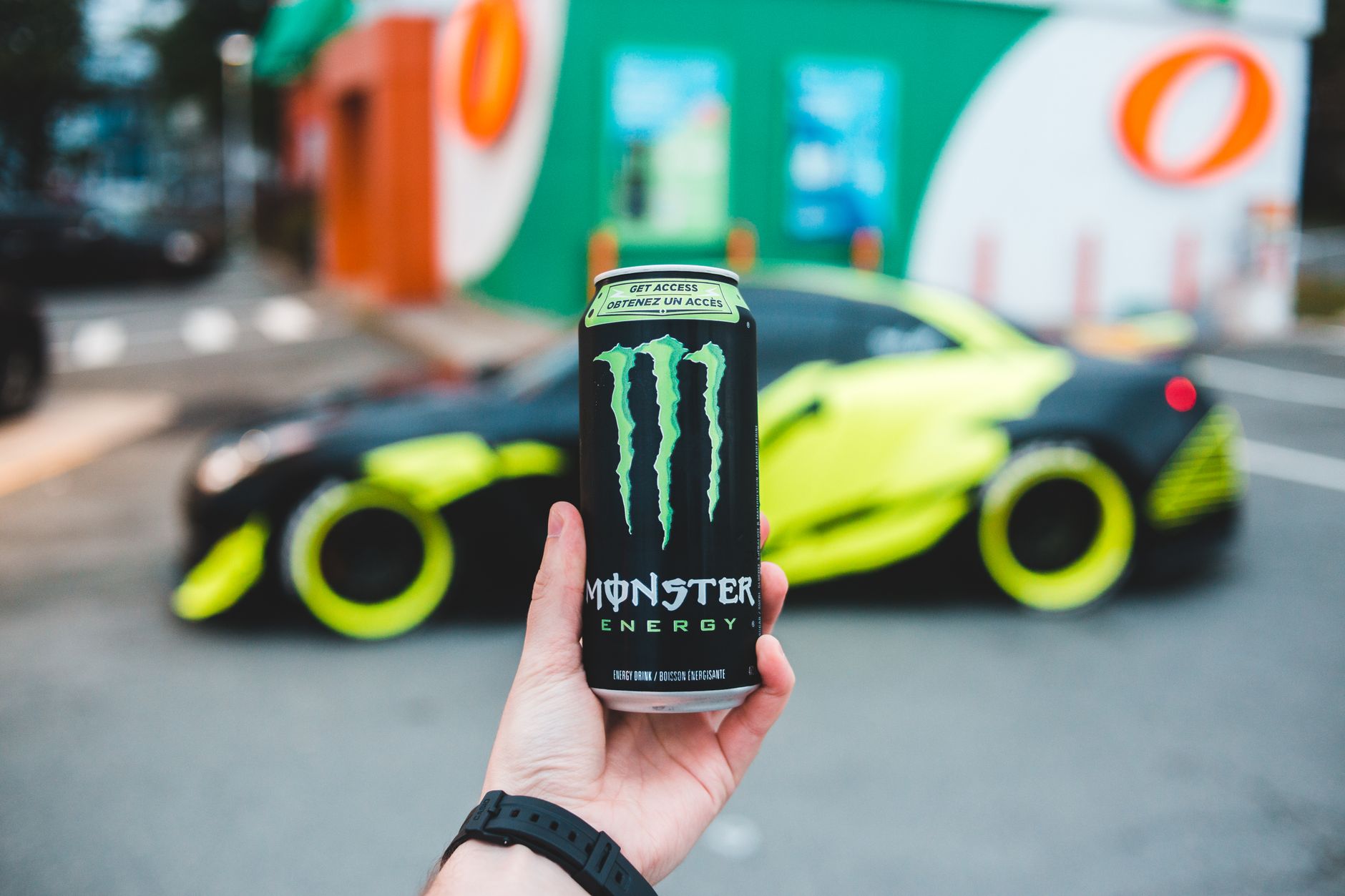
Caffeine is a popular stimulant that many people rely on to boost their energy, enhance focus, and combat fatigue. One brand that has garnered attention is Monster Energy, known for its diverse flavors and distinctive designs. With so many options available, consumers often wonder: how much caffeine is actually in a Monster?
This article breaks down caffeine content by flavor and serving size, discussing what those amounts mean for daily consumption and overall health. Understanding these details enables you to make informed choices about your caffeine intake.
How Much Caffeine Is in a Monster?
Monster Energy drinks contain varying levels of caffeine depending on the specific flavor and size of the can. Most standard 16-ounce Monster cans average around 160 mg of caffeine. However, some specialty flavors and larger cans can contain more, so it’s crucial to check the nutrition label.
Here is a general overview of the caffeine content found in some popular Monster Energy products:
- Monster Energy (Original): 160 mg per 16 oz
- Monster Ultra Series: 140 mg per 16 oz
- Monster Java (Coffee + Energy): 200 mg per 16 oz
- Monster Rehab (Tea + Lemonade): 160 mg per 16 oz
- Monster Energy Zero Ultra: 140 mg per 16 oz
- Monster Super Fuel: 160 mg per 16 oz
- Monster Energy Extra Strength: 240 mg per 16 oz
Understanding Caffeine Content
Caffeine is considered safe for most adults when consumed in moderation. The U.S. Food and Drug Administration (FDA) identifies 400 mg of caffeine per day as a safe amount for most healthy adults, roughly equivalent to four 8 oz cups of brewed coffee. This means a standard 16 oz Monster is just below half of the recommended daily limit.
Decoding Caffeine Dosage by Flavor
When examining the caffeine dosage of Monster Energy drinks, it is essential to recognize that flavors make a significant difference. For instance, the original Monster contains 160 mg, while the Java series carries a higher concentration due to the inclusion of coffee. Below are some popular choices:
Regular Monster Energy
Typically the flagship product, the original Monster offers a robust energy boost with 160 mg of caffeine, along with a mix of B vitamins and taurine, contributing to its energizing effects.
Monster Ultra Series
Known for being sugar-free and low-calorie, the Ultra Series has flavors like White, Blue, and Red. Each variant has around 140 mg of caffeine, making it a lighter choice for those looking to manage their sugar intake.
Monster Java
For coffee lovers, the Monster Java line combines coffee and energy drink elements. With 200 mg of caffeine, it provides a higher punch, supplemented with creaminess and richer flavors.
Monster Rehab
The Rehab line is designed as a recovery drink that blends tea and lemonade. It offers 160 mg of caffeine and aims to replenish electrolytes lost during intense activities, appealing to the fitness-focused crowd.
Serving Sizes and Health Considerations
The serving size for Monster Energy drinks is typically the entire can, which is 16 oz. However, some varieties, like the Mega Monster, can be considerably larger, containing up to 240 mg or more of caffeine per can.
Being conscious of serving sizes is vital to avoid excessive caffeine consumption. For instance, a Mega Monster might exceed the FDA’s recommended limit, and consuming multiple servings from different products could quickly escalate your intake.
Potential Health Effects
While caffeine can enhance alertness and concentration, excessive consumption may lead to side effects like insomnia, jitteriness, and increased heart rate. It is essential to listen to your body and adjust your intake accordingly.
Who Should Limit Caffeine?
People with certain medical conditions, such as pregnancy, heart issues, or anxiety disorders, should consider limiting caffeine intake. Children and adolescents are also recommended to monitor their consumption due to their smaller body sizes and potential sensitivity to caffeine.
Comparing Caffeine Content: Monster vs. Other Beverages
To gain a broader perspective on caffeine consumption, it’s valuable to compare Monster Energy drinks with other popular caffeinated beverages, such as coffee and tea. Below is a table illustrating caffeine content across a selection of beverages:
| Beverage | Serving Size | Caffeine Content |
|---|---|---|
| Monster Energy (Original) | 16 oz | 160 mg |
| Starbucks Brewed Coffee | 16 oz | 320 mg |
| Coca-Cola | 12 oz | 34 mg |
| 5-Hour Energy | 2 oz | 200 mg |
| Black Tea | 8 oz | 40-70 mg |
From this comparison, it becomes evident that while Monster Energy drinks provide a substantial caffeine boost, several other beverages can surpass or be on par with their caffeine levels. This understanding can help you manage your overall caffeine consumption effectively.
Tips for Consuming Monster Energy Safely
To enjoy Monster Energy drinks while minimizing risks associated with caffeine consumption, consider the following tips:
- Check Labels: Always read the label for caffeine content and ingredients to understand what you are consuming.
- Limit Daily Intake: Try to stay within the recommended daily limit of 400 mg of caffeine, keeping in mind that other sources might add to your total intake.
- Stay Hydrated: Caffeine can be dehydrating, so ensure you’re drinking plenty of water throughout the day.
- Avoid Mixing: Refrain from combining caffeinated drinks, as this can lead to exceeding safe consumption levels.
- Watch the Timing: Avoid caffeine consumption late in the day to help minimize disruption to your sleep.
Exploring Other Caffeinated Options
While Monster Energy drinks are popular, there are many other caffeinated options available worth exploring. Here are some alternatives:
- Energy Drinks: Brands like Red Bull and RockStar offer similar energizing effects, but caffeine levels vary greatly.
- Tea: Green and black teas have moderate caffeine levels and also provide antioxidants.
- Coffee: Depending on the brew method, caffeine content can vary, with espresso-based drinks generally having more caffeine.
- Yerba Mate: This traditional South American drink contains caffeine and is often rich in vitamins and minerals.
Conclusion
Understanding the caffeine content in Monster Energy drinks is essential for making informed choices regarding your energy intake. With a range of flavors and formulations available, it’s easy to find a drink that meets your needs. However, always consider caffeine consumption guidelines, listen to your body, and prioritize balance.
If you’re curious about caffeine levels in other beverages, you can check out these articles on caffeine in Diet Dr. Pepper and in chai tea.