
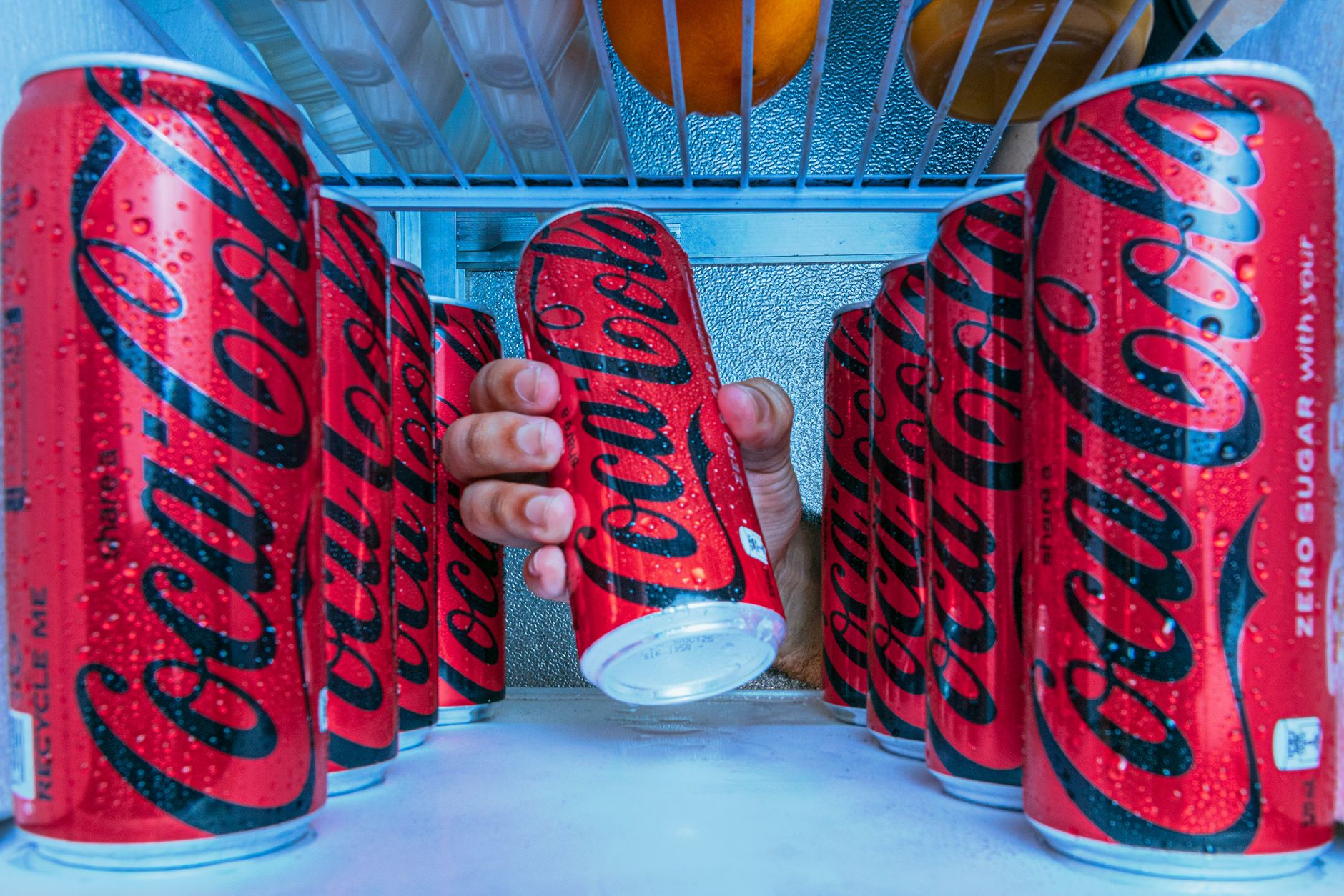
Coke Zero, a popular sugar-free soft drink, is known for its classic Coca-Cola flavor without the calories. Many people savor it for its crisp taste while being mindful of their caffeine intake. This guide will explore how much caffeine is in a Coke Zero can and its comparison to other caffeinated beverages.
Caffeine is a common stimulant found in coffee, tea, soft drinks, and energy drinks. Understanding its content in various drinks helps you make informed choices regarding your health and energy levels. Let’s delve deeper into the specifics of Coke Zero’s caffeine content, along with its accompanying benefits and considerations.
How Much Caffeine Is in a Coke Zero Can?
A standard 12-ounce (355 mL) can of Coke Zero contains approximately 34 mg of caffeine. This level is comparable to other popular soft drinks but significantly lower than the caffeine content found in coffee or energy drinks. To put this in perspective, a typical 8-ounce cup of brewed coffee can have anywhere from 95 to 200 mg of caffeine, depending on the brew strength.
Caffeine Content Comparison with Other Beverages
Understanding the caffeine content in Coke Zero is easier when comparing it to other beverages. Here’s a breakdown of caffeine content in various drinks to see where Coke Zero stands:
| Beverage | Caffeine Content (mg per serving) |
|---|---|
| Coke Zero (12 oz) | 34 mg |
| Coca-Cola Classic (12 oz) | 34 mg |
| Diet Coke (12 oz) | 46 mg |
| Pepsi (12 oz) | 38 mg |
| Dr. Pepper (12 oz) | 41 mg |
| Green Tea (8 oz) | 30-50 mg |
| Brewed Coffee (8 oz) | 95-200 mg |
| Energy Drink (8 oz) | 80-100 mg |
What Affects Caffeine Levels in Beverages?
The caffeine content in beverages can vary based on several factors, including:
- Type of beverage: Different brands and types of drinks contain varying caffeine levels.
- Brewing time: For tea and coffee, steeping or brewing time influences caffeine extraction.
- Ingredient composition: Added ingredients such as extracts or flavors can alter caffeine content.
Caffeine Effects: The Good and the Bad
While moderate caffeine consumption may have benefits, it can also present drawbacks. Here’s a look at both sides:
Potential Benefits of Caffeine
- Increased Alertness: Caffeine can help enhance focus and alertness.
- Improved Physical Performance: It may lead to better exercise performance due to its ability to enhance endurance.
- Antioxidant Properties: Caffeinated beverages can provide antioxidants that help combat oxidative stress in the body.
Possible Drawbacks of Caffeine
- Sleep Disruption: High caffeine intake, especially later in the day, can interfere with sleep patterns.
- Anxiety Increase: Caffeine can increase feelings of anxiety in some individuals, particularly in excess.
- Dependence: Regular consumption may lead to dependence and withdrawal symptoms like headaches or fatigue.
How Much Caffeine Is Safe?
According to various health organizations, moderate caffeine consumption is considered safe for most adults. Generally, the recommended limit is about 400 mg of caffeine per day for healthy adults. This translates to about four 8-ounce cups of brewed coffee or approximately 12 cans of Coke Zero. However, individual tolerance can vary, leading some people to experience side effects at lower levels.
It’s essential to be mindful of your total daily caffeine intake from all sources, including coffee, tea, sodas, energy drinks, and medication that might contain caffeine.
Who Should Be Cautious About Caffeine?
Certain groups should be more cautious about their caffeine intake:
- Pregnant Women: Caffeine consumption should be limited during pregnancy, as high doses may be linked to various risks.
- Individuals with Anxiety Disorders: Those prone to anxiety may find that caffeine exacerbates their symptoms.
- People with Certain Medical Conditions: Individuals with heart problems, insomnia, or high blood pressure should consult health professionals regarding caffeine consumption.
How to Enjoy Coke Zero Responsibly
To enjoy Coke Zero without overdoing it on caffeine, consider the following tips:
- Mind Your Portions: Stick to one can per sitting and avoid multiple servings throughout the day.
- Balance with Other Beverages: Incorporate other non-caffeinated beverages like water, herbal teas, or decaffeinated drinks in your routine.
- Avoid Late-Day Consumption: To prevent sleep disturbances, avoid drinking caffeine, including Coke Zero, in the late afternoon or evening.
Alternatives to Coke Zero
If you’re looking for alternatives to satisfy your soda cravings without caffeine, consider these options:
- Herbal Teas: Naturally caffeine-free and available in various flavors.
- Sparkling Water: Offers fizz without caffeine or calories. You can add fruit or herbs for flavor.
- Fruit Juices: Natural juices can provide a sweet taste with vitamins and hydration, but watch the sugar content.
Caffeine and Diet Considerations
Being informed about caffeine in Coke Zero not only helps with caffeine intake but also allows for mindful dietary choices. Here are some considerations:
- Weight Management: For those seeking calorie control, Coke Zero offers flavor without added sugar, making it a popular choice in weight-loss diets.
- Low-Carbohydrate Diets: Coca-Cola Zero Sugar contains no carbs, making it suitable for low-carb or ketogenic diets.
Popular Misconceptions About Coke Zero
Several misconceptions surround Coke Zero and its caffeine content. Let’s address a few common myths:
Mystery Ingredient Worries
Some worry about artificial sweeteners in Coke Zero. However, these ingredients are approved for safe consumption by regulatory agencies when consumed within recommended limits.
Weight Loss Miracles
An assumption exists that drinking Coke Zero alone leads to weight loss. In reality, weight management stems from a balanced diet and lifestyle rather than any single product.
Final Thoughts on Coke Zero and Caffeine
Understanding how much caffeine is in a Coke Zero can help you enjoy this carbonated beverage with more awareness. With approximately 34 mg of caffeine per 12-ounce can, Coke Zero allows you to experience a classic cola flavor with fewer calories. As you savor each sip, remain mindful of how it fits within your overall caffeine consumption and dietary preferences.
For anyone venturing into caffeine consumption, consideration of individual tolerance levels is key. Whether opting for Coke Zero or exploring other beverages, making informed decisions is essential for your health and well-being.
For more insights on caffeine content, check out how much caffeine is in Diet Dr. Pepper and how much caffeine is in chai tea.