
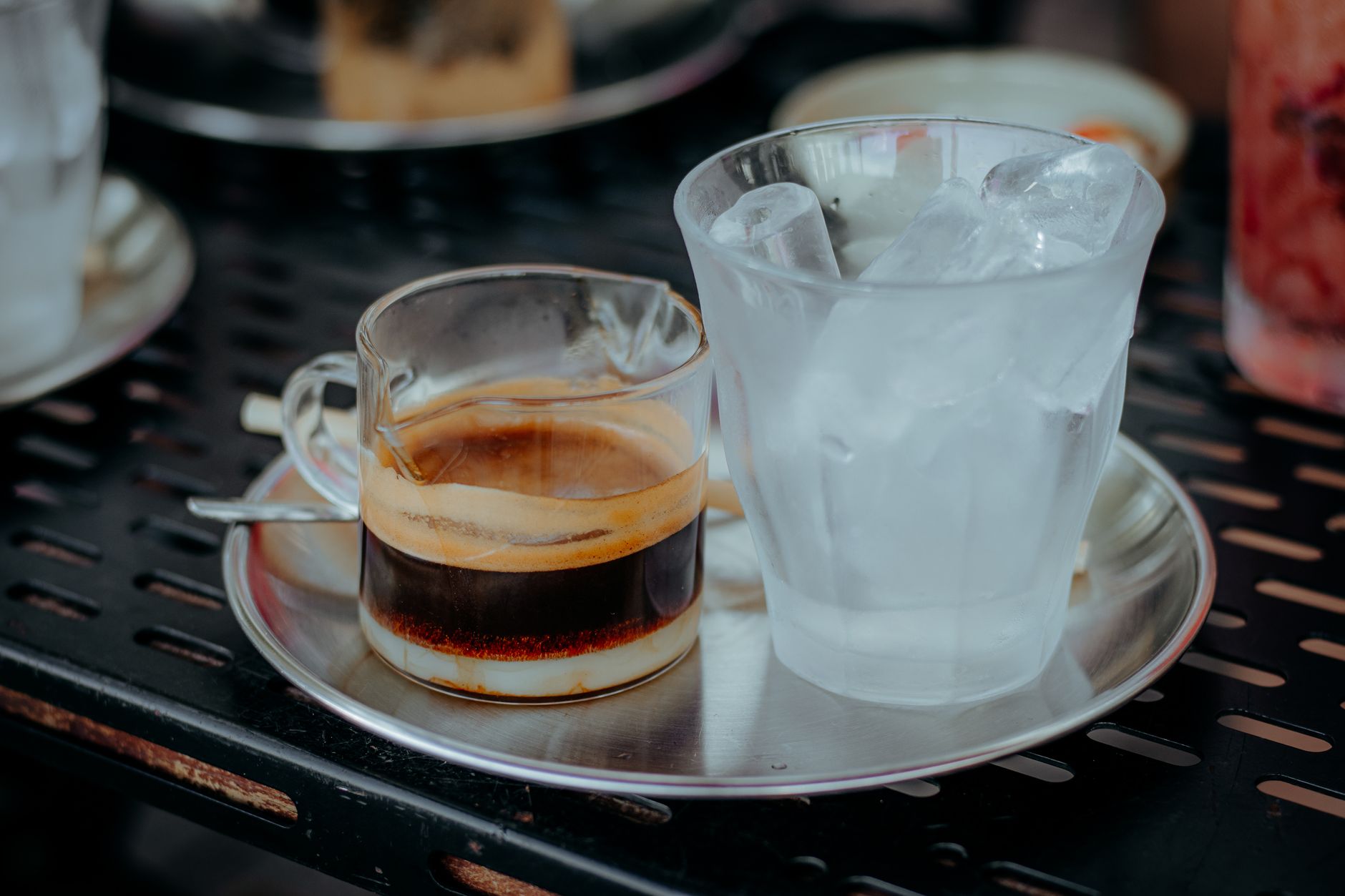
Decaf espresso offers a rich coffee flavor without the jitters that come with traditional espresso. For those sensitive to caffeine, decaf provides a delightful way to enjoy the beloved beverage while limiting caffeine intake. But just how much caffeine can you expect in decaf espresso?
This article explores the caffeine content in decaf espresso, how it compares to regular espresso, and important factors to keep in mind when choosing your coffee. We also provide insights into decaffeination processes and tips for selecting decaf products.
How Much Caffeine in Decaf Espresso?
Decaf espresso typically contains about 0 to 15 milligrams of caffeine per shot, depending on various factors, including the brand and the decaffeination method used. This is significantly lower than regular espresso, which usually contains around 63 milligrams of caffeine per shot. Understanding these details can help you better manage your caffeine consumption.
Understanding Decaf Espresso
Decaf espresso is espresso coffee with most of its caffeine removed, making it a popular choice for those who want to enjoy espresso without the stimulating effects of caffeine. Here’s a deeper look into what decaf espresso is and how it’s prepared.
What is Decaf Espresso?
Decaf espresso is made from coffee beans that have undergone a decaffeination process to reduce their caffeine content. The process involves removing caffeine while maintaining the flavor and characteristics of the coffee beans. The coffee can then be brewed into espresso using the same methods as regular espresso.
Decaffeination Processes
There are several methods for decaffeinating coffee beans, each affecting the final flavor and caffeine content differently:
- Direct Method: Involves steaming the beans and then washing them with a solvent that dissolves caffeine.
- Indirect Method: The beans are soaked in hot water, which extracts caffeine and oils. A solvent then removes caffeine from the water before the beans are re-soaked.
- Swiss Water Process: An environmentally friendly method that uses water to extract caffeine, relying on osmosis and filtration. This method is known for retaining the flavor of the beans.
- Carbon Dioxide Process: Caffeine is extracted using pressurized carbon dioxide, which selectively targets caffeine while preserving flavors.
Caffeine Content Comparison
To truly understand how much caffeine is in decaf espresso, it’s useful to compare it to regular espresso and other types of coffee.
Caffeine in Regular Espresso
Regular espresso typically contains between 63 to 75 milligrams of caffeine per 1-ounce shot. The variation can stem from factors like the coffee bean type and brewing method. For example, a single shot made from robusta beans generally contains more caffeine than one made from arabica beans.
Caffeine in Decaffeinated Coffee
Decaffeinated brewed coffee contains around 2 to 5 milligrams of caffeine per cup (8 ounces). If you compare it to a shot of decaf espresso, it’s evident that espresso contains a comparatively higher caffeine content per ounce, albeit still significantly lower than its caffeinated counterpart.
Caffeine in Other Coffee Drinks
Other coffee beverages also vary in caffeine content:
- Drip Coffee: Contains around 95 milligrams of caffeine per 8-ounce cup.
- French Press: About 80 to 100 milligrams per 8-ounce serving.
- Cold Brew: Can have up to 200 milligrams per 12-ounce serving, depending on the brew time and strength.
Factors Affecting Caffeine Content in Decaf Espresso
Several factors influence how much caffeine is left in decaf espresso:
Bean Origin and Type
The type of coffee bean used, whether arabica or robusta, can influence caffeine levels. Robusta beans generally have higher caffeine levels, and even after decaffeination, they may have more caffeine than arabica beans.
Brewing Method
The method you use to brew espresso may also impact caffeine content. Traditional espresso machines, which use high pressure and steam, can extract more flavor and caffeine compared to other brewing methods, even in decaf varieties.
Serving Size
It’s important to consider the serving size of your decaf espresso. One shot (1 ounce) typically holds about 0 to 7 mg of caffeine, whereas a double shot (2 ounces) may reach 10 to 15 mg depending on the beans and brewing technique.
Choosing Decaf Espresso
If you’re looking to incorporate decaf espresso into your diet, consider these tips for choosing the best option:
Look for Quality Brands
Opt for brands that are known for their quality, preferably those that specify the decaffeination method used. Popular choices include Lavazza, Illy, and Peet’s Coffee. They provide beans that are less likely to lose their flavor during the decaffeination process.
Decaf Espresso Pods
If you use an espresso machine that takes pods, look for decaf options available from reputable brands. These pods will give you the convenience of decaf espresso while still ensuring quality and flavor.
Freshness Matters
Freshness plays a crucial role in flavor. Opt for whole beans or ground espresso that have been recently roasted for the best flavor. Checking roast dates can help you choose fresher beans.
Practical Tips for How to Use Decaf Espresso
Decaf espresso can be used in various ways, providing versatility in your coffee routine:
Brewing Methods
Decaf espresso can be brewed using various methods:
- Espresso Machine: The traditional method yielding rich flavor.
- AeroPress: A convenient option for brewing a single cup easily.
- French Press: While not traditional, it can yield a bold cup.
Decaf Espresso-Based Drinks
There are plenty of delicious beverages to make with decaf espresso:
- Decaf Americano: A blend of decaf espresso and hot water for a smooth drink.
- Decaf Latte: Combine steamed milk with decaf espresso for a creamy treat.
- Decaf Mocha: Add chocolate syrup for a delightful dessert drink.
Common Mistakes with Decaf Espresso
Here are a few common mistakes to avoid when preparing or consuming decaf espresso:
Using Low-Quality Beans
Choosing low-quality decaf beans can lead to a lack of flavor. Always opt for reputable brands that care about their decaffeination processes.
Over-Extraction
Over-extracting decaf espresso can produce a bitter taste. Stick to optimal brewing times and temperatures, just as you would with regular espresso.
Neglecting Storage
Improper storage can compromise flavor. Keep your decaf beans in an airtight container in a cool, dark place to maintain freshness.
Decaf Espresso and Health Considerations
For many, the primary appeal of decaf espresso lies in its reduced caffeine content. However, there are some health considerations to keep in mind:
Caffeine Sensitivity
Even small amounts of caffeine can affect those highly sensitive to it. Consuming decaf espresso can still result in mild stimulation for such individuals.
Acidity
Some decaf coffees retain their acidity, which may not be suitable for all drinkers. If you suffer from acid reflux or heartburn, monitoring how decaf espresso affects you is wise.
Nutrition and Antioxidants
Decaf espresso still contains antioxidants, which can contribute to overall health benefits. These compounds help combat oxidative stress in the body.
Conclusion
Decaf espresso provides a flavorful option for coffee lovers looking to limit their caffeine intake. With a caffeine content of roughly 0 to 15 milligrams per shot, decaf espresso offers the pleasure of coffee without the jittery side effects. Keep in mind the factors affecting caffeine content, select quality beans, and enjoy a variety of delicious espresso-based beverages to suit your taste.
For further exploration, check out whether Diet Dr Pepper has caffeine or learn how much caffeine is in chai tea for more insights about your favorite beverages.