
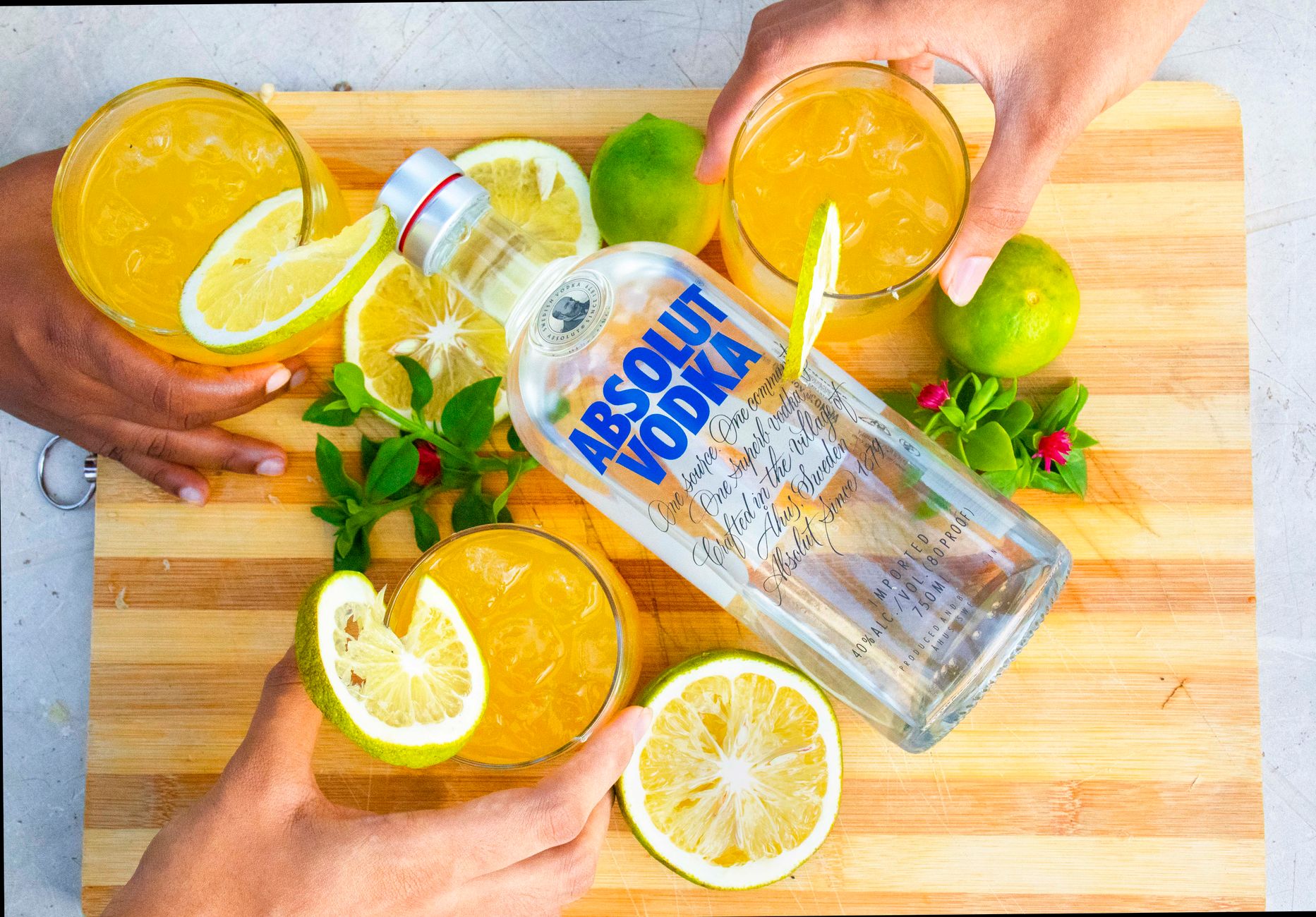
Vodka is a popular distilled spirit known for its versatility in cocktails, cooking, and sipping. Understanding its alcohol content is essential for those who enjoy experimenting with this spirit in their drinks or culinary creations. The alcohol by volume (ABV) in vodka typically ranges from 35% to 50%, depending on the brand and type.
This guide will delve into the specifics of vodka’s alcohol content, how it is measured, variations in types of vodka, and its culinary uses. Whether you’re interested in making cocktails or simply curious about vodka’s characteristics, this article will provide essential insights.
How Much Alcohol Is In Vodka?
The alcohol content in vodka is mainly determined by its ABV percentage, which indicates how much of the liquid volume is made up of alcohol. Most commercial vodkas have an ABV of about 40%, which is equivalent to 80 proof. This means that in an 80-proof vodka, 40% of the volume is pure ethanol.
However, vodka can vary in potency. Some brands produce vodka with lower alcohol percentages closer to 35%, while others may offer high-proof options that boast an ABV up to 50% or even higher. It’s crucial to check the label on the vodka bottle for this information to ensure safe consumption.
Understanding Alcohol By Volume (ABV)
Alcohol By Volume (ABV) is the standard measure used worldwide to define the amount of alcohol (ethanol) contained in an alcoholic beverage. For vodka, this measurement helps consumers gauge its strength and work out how it can be used in drinks or recipes.
How ABV Is Calculated
ABV is calculated as a percentage of the total volume of a beverage. To find the ABV of vodka, distillers measure the amount of alcohol produced during fermentation and distillation processes. The higher the concentration of alcohol, the higher the ABV percentage.
Common ABV Levels in Vodka
- 35% ABV: Seen in some flavored or lighter vodkas.
- 40% ABV (80 proof): The most common strength for vodka, widely available and used in many cocktails.
- 50% ABV (100 proof): A stronger option that is sometimes used in cocktails but should be consumed more cautiously.
- Above 50% ABV: Specialty vodkas that may exceed 100 proof, often for specific uses or cocktails.
The Variability of Vodka
Vodka is produced globally and comes in various styles, each with its alcohol content. Here’s a look at some variations you might encounter.
Traditional Vodka
This type typically adheres to the classic recipe and production methods. Traditional vodka is usually distilled from grains like wheat or rye and typically has an ABV of 40%. Its neutral flavor makes it a superb base for cocktails.
Flavored Vodka
Flavored vodkas are infused with various natural or artificial flavors. These variants can range from 35% to 40% ABV. While the flavor can mask the alcohol’s sharpness, it’s essential to remain aware of the alcohol content, especially in cocktails.
High-Proof Vodka
High-proof vodkas often have an ABV that exceeds 50%. This variety is used in unique cocktails or for homemade infusions. While they can add richness to a drink, they should be handled with caution due to their potency.
Uses of Vodka in Cooking and Cocktails
In addition to being enjoyed neat, vodka serves a myriad of culinary purposes. Its high alcohol content helps extract flavors, making it beneficial in cocktails and dishes alike. Here are some popular uses.
Cocktails
- Vodka Collins – A refreshing blend of vodka, lemon juice, and soda water.
- Dirty Vodka Martini – A classic cocktail that balances the flavor of vodka with olive brine.
Cooking
Vodka can be used in various cooking applications:
- Sauces: Vodka is famous for its use in sauces, especially creamy tomato sauce, where it enhances flavor without overpowering.
- Marinades: It’s also a great addition to marinades, helping to tenderize meats while infusing them with flavor.
- Infused Dishes: Infusing vodka with other ingredients, such as fruits or spices, results in unique flavors that can be used in desserts or cocktails.
How to Measure Vodka Accurately
If you want to enjoy vodka responsibly, knowing how to measure it accurately in drinks or recipes is crucial. Here’s how:
Using Standard Measurement Tools
- Jigger: A jigger is a bar tool that allows you to measure spirits accurately. Most jiggers offer a double-ended design, with one side measuring 1 ounce (30 ml) and the other 1.5 ounces (45 ml).
- Shot Glass: In many cases, a shot glass serves as a handy measuring tool. A standard shot is typically 1.5 ounces (45 ml).
- Measuring Cup: For cooking, using a measuring cup can ensure you have the correct amount of vodka for sauces and marinades.
Practical Tips for Measuring Vodka
- Always measure vodka when mixing cocktails to maintain the correct balance of flavors.
- When making cocktails, pour vodka slowly into your measuring tool to avoid accidental over-pouring.
- If you use vodka in baked goods or sauce, be mindful of the heat as it affects the alcohol content; the longer you cook the vodka, the less alcohol remains.
Common Mistakes When Using Vodka
Whether you are crafting cocktails or cooking with vodka, mistakes can happen. Here are some common pitfalls and tips to avoid them.
Overdoing It
It can be tempting to add extra vodka for stronger cocktails or flavor. However, this can lead to overpowering drinks and an imbalance of flavors. Stick to measurements and adjust only incrementally.
Ignoring the Alcohol Content
Not considering the alcohol content can lead to unintentionally strong cocktails. Always be aware of the ABV in flavored or high-proof vodkas, and adjust your recipes accordingly.
Not Chilling Properly
Serving vodka straight requires a proper chill for the best flavor. Serving vodka at room temperature can result in a harsher taste. Store vodka in the freezer for an optimal chill without freezing it.
Storage and Shelf Life of Vodka
Knowing how to properly store vodka can maintain its quality over time. Here’s what you need to know about vodka storage:
Optimal Storage Conditions
- Keep vodka in a cool, dark place to prevent exposure to sunlight, which can alter its flavor.
- Avoid fluctuations in temperature, as this can negatively affect the spirit.
- Store unopened vodka upright to minimize leaks or damage to the corks.
Shelf Life
Vodka does not spoil, thanks to its high alcohol content. When sealed, it can last indefinitely. Once opened, it is best consumed within a few years, but it remains safe to drink for far longer when stored properly.
Tips for Choosing Vodka
When selecting vodka, consider your intended use, whether mixing drinks or using it in culinary uses. Here are some tips for making your choice:
- Look for Quality Brands: Research reputable vodka brands known for quality distillation processes.
- Consider the Base Ingredient: Vodka can be made from grains, potatoes, or even fruits. The base can affect flavor, so choose one that aligns with your tastes.
- Check for Awards: Award-winning vodkas often suggest a higher level of quality and refinement.
Exploring Vodka Recipes
To truly appreciate vodka’s versatility, experimenting with recipes is a delightful approach. Here are a couple of simple vodka-based recipes you can try at home:
Vodka Collins Recipe
This refreshing cocktail combines vodka, lemon juice, and soda for a light and zesty experience.
- 2 ounces vodka
- 1 ounce freshly squeezed lemon juice
- 1 ounce simple syrup
- Club soda
- Lemon slice for garnish
Instructions for Vodka Collins
- In a shaker, combine vodka, lemon juice, and simple syrup with ice.
- Shake well and strain into a tall glass filled with ice.
- Top with club soda and gently stir to mix. Garnish with a lemon slice.
Dirty Vodka Martini Recipe
This variation of the classic martini offers a briny twist with an olive brine addition.
- 3 ounces vodka
- 0.5 ounce dry vermouth
- 0.5 ounce olive brine
- Olives for garnish
Instructions for Dirty Vodka Martini
- In a shaker filled with ice, combine vodka, dry vermouth, and olive brine.
- Shake well and strain into a chilled martini glass.
- Garnish with olives.
These recipes highlight the diverse uses of vodka in cocktails, allowing for further exploration and enjoyment of this versatile spirit.
Understanding vodka’s alcohol content will enhance your appreciation and usage of this beloved spirit. By measuring carefully and choosing wisely, you can create delightful cocktails and dishes. Remember always to drink responsibly, keeping in mind the potency of different types of vodka.
Explore more delicious drinks and culinary ideas to experiment with vodka at home. Check out our recipes for Vodka Collins and Dirty Vodka Martini for inspiration!