
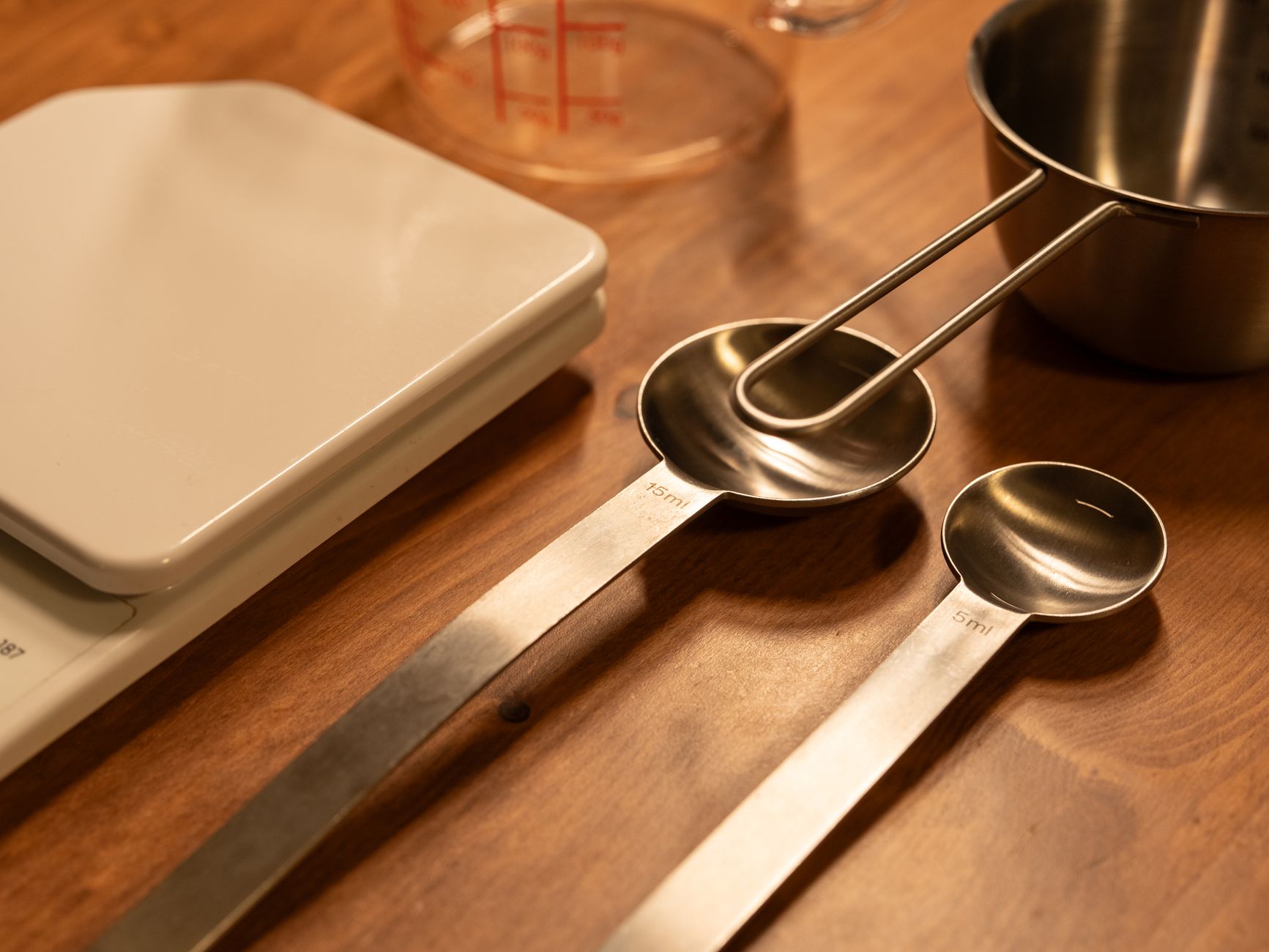
Understanding measurements in cooking is essential for success in the kitchen. One common question that arises is, how many tablespoons are in a cup? Knowing the conversion can help with recipes and ensure you achieve the right flavors and textures in your dishes.
In this article, we’ll explore the answer to this question, offer tips for accurate measuring, and discuss the reasons why proper measurements matter in cooking and baking. This guide is ideal for both novice cooks and experienced chefs alike.
How Many Tbsp Per Cup?
There are 16 tablespoons in one cup. This simple conversion can make measuring ingredients easier and more efficient, especially when working with smaller quantities or when you don’t have a measuring cup at hand.
Why Accurate Measurement Matters
Accurate measurements are crucial for various reasons:
- Consistency: Most recipes are developed with precise measurements. Accurate measuring leads to consistent results, helping repeat dishes successfully.
- Flavor: Ingredients contribute different flavors, and incorrect amounts can throw off the taste balance.
- Texture: In baking, especially, the texture of the final product – whether it’s a fluffy cake or chewy cookies – depends on the right ingredient ratios.
- Science of Cooking: Cooking is often a science. The chemistry between ingredients functions best when they are in the right proportions.
Measuring Tips for Accurate Results
Here are some practical tips that can help you measure accurately:
1. Use Proper Measuring Tools
Invest in high-quality measuring cups and spoons. Use liquid measuring cups for liquids and dry measuring cups for solids. Avoid using your kitchen mug or glass for precise measurements.
2. Level Off Dry Ingredients
For dry ingredients like flour or sugar, scoop the ingredient into the measuring cup and use a straight edge (like a knife) to level it off. This ensures you have the exact amount needed.
3. Use the Right Technique for Liquids
For liquid measurements, pour the liquid into the measuring cup and make sure the eye level is at the mark. This avoids miscalculating due to the curvature of the liquid surface.
4. Understand Ingredient Density
Different ingredients have varying densities, which can affect how much you get in a tablespoon or cup. Always check conversion charts for specific ingredients.
Common Conversions: Tablespoons to Cups
While the standard is 16 tablespoons per cup, here are additional conversions that may be useful as you cook:
| Measurement | Tablespoons | Cups |
|---|---|---|
| 1/4 cup | 4 tablespoons | 0.25 cups |
| 1/3 cup | 5 tablespoons + 1 teaspoon | ~0.333 cups |
| 1/2 cup | 8 tablespoons | 0.5 cups |
| 3/4 cup | 12 tablespoons | 0.75 cups |
| 2 cups | 32 tablespoons | 2 cups |
Ingredient-Specific Measuring Tips
Here’s a closer look at how to accurately measure some common kitchen ingredients.
Flour
Flour can be tricky because it can become packed down, leading to too much being measured. Use the spoon and level technique: spoon flour into your measuring cup without packing it down, and level off the top with a knife.
Granulated Sugar
Granulated sugar is usually easier to measure since it doesn’t pack down like flour. You can use the scoop and level method for measuring sugar as well.
Baking Powder and Baking Soda
Like flour, both baking powder and baking soda should be scooped lightly into the measuring spoon and leveled off for the correct measurement. They are key leavening agents, and even a slight variation can affect the rise and texture of baked goods.
Brown Sugar
Brown sugar should be packed into the measuring cup, as it contains moisture. Make sure to press it firmly so that it holds its shape when you turn it out.
Liquids
For measuring liquids like oil or water, use a liquid measuring cup with clear measuring lines. Pour the liquid in and check that the bottom of the meniscus (the curve of the liquid) aligns with the desired measurement.
Common Measuring Mistakes
Even seasoned cooks can fall prey to measurement mistakes. Here are some common pitfalls to watch out for:
- Not leveling ingredients: Using a heaped measure instead of a leveled one can lead to adding too much of a dry ingredient.
- Confusing tablespoons with teaspoons: Remember, 1 tablespoon is three times larger than 1 teaspoon, so be sure to double-check, especially in recipes with small amounts.
- Incorrectly measuring sticky ingredients: Ingredients like honey or molasses stick to the cup. To minimize this, spray the measuring cup with a bit of cooking spray before measuring.
When to Adjust Measurements for Cooking and Baking
Sometimes, you might find yourself in situations where you need to adjust measurements:
Scaling Recipes
When scaling a recipe (either doubling or halving), it’s important to maintain the same measurement ratios. If a recipe requires 1 cup of flour, use 2 cups when doubling, or 1/2 cup when halving.
Adding Ingredients
When modifying recipes by adding extra ingredients, do so gradually and taste as you go. It’s easier to add more than to subtract, especially with spices and flavorings, which can dominate a dish.
Substituting Ingredients
At times you may be missing an ingredient altogether. Here are a few dependable substitutes:
- Brown sugar: For each cup of brown sugar, use 1 cup of granulated sugar plus 1 tablespoon of molasses.
- Buttermilk: Mix 1 tablespoon of lemon juice or vinegar with milk to make a cup of buttermilk.
- Butter: If you’re short on butter, use a 3/4 cup of vegetable oil in place of 1 cup of butter.
Practical Tips for Meal Planning
Beyond measuring, understanding these conversions can aid in meal planning. Here are actionable tips:
Batch Cooking
When batch cooking, knowing tablespoon to cup conversions can save time. For instance, if you’re making a large batch of soup and the recipe calls for 1/4 cup of a particular ingredient, you can easily determine you need 4 tablespoons without fuss.
Ingredient Overlap
When planning meals, find opportunities for ingredient overlap to minimize waste. For example, if a recipe uses 4 tablespoons of olive oil, consider making another recipe that uses the remaining oil, ensuring you have enough on hand.
Portion Control
Understanding measurements can help in controlling portion sizes. Use measuring cups and spoons when serving to help maintain portion control as per dietary needs.
Cooking with Kids: Teaching Measurements
Getting kids involved in the kitchen can be both fun and educational. Teaching them how to measure ingredients provides valuable life skills:
- Hands-on Learning: Use simple recipes where they can practice measuring, like making cookies or pancakes.
- Understanding Ratios: Discuss how many tablespoons are in a cup while counting together, reinforcing math skills.
- Creativity: Encourage them to explore substituting ingredients based on what you have at home, fostering creativity in cooking.
Conclusion
Understanding how many tablespoons are in a cup and practicing accurate measuring techniques are foundational skills for all cooks. Pay attention to detail in measurement to enhance your cooking experience and improve your culinary results. With these tips and conversions at your fingertips, you’re better equipped to tackle any recipe confidently.
Explore related recipes and cooking tips to further enrich your culinary journey. Check out practical substitutions for vanilla extract or discover how many cups of water you need for cooking rice.