
Understanding measurements in cooking is crucial for creating delicious dishes. One of the most common conversions you’ll encounter is how many tablespoons are in a cup. This knowledge not only facilitates precise measurements but also helps when you need to adjust ingredient quantities in recipes.
In this article, we’ll clarify how many tablespoons are in a cup, explore when you’ll need to make conversions, and provide handy measurement tips and tools. Whether you are an experienced cook or a novice in the kitchen, knowing this fundamental measurement will deepen your culinary skills.
How Many Tbsp Are In A Cup?
There are 16 tablespoons in a standard cup. This ratio is a fundamental aspect of cooking and baking that makes it easy to scale recipes up or down. Understanding this conversion can greatly improve your accuracy when preparing a dish.
The Importance of Accurate Measurements
Accurate measurements in cooking and baking can mean the difference between a successful dish and one that fails to impress. Baking, in particular, is a science; precise quantities contribute to the texture, flavor, and overall outcome of your finished product. Knowing how to convert between different measurement units, like cups and tablespoons, ensures that you can follow recipes and adjust them as needed.
How to Measure: Tools You Might Need
Measuring ingredients accurately requires the right tools. Here are some essential measuring tools that can help:
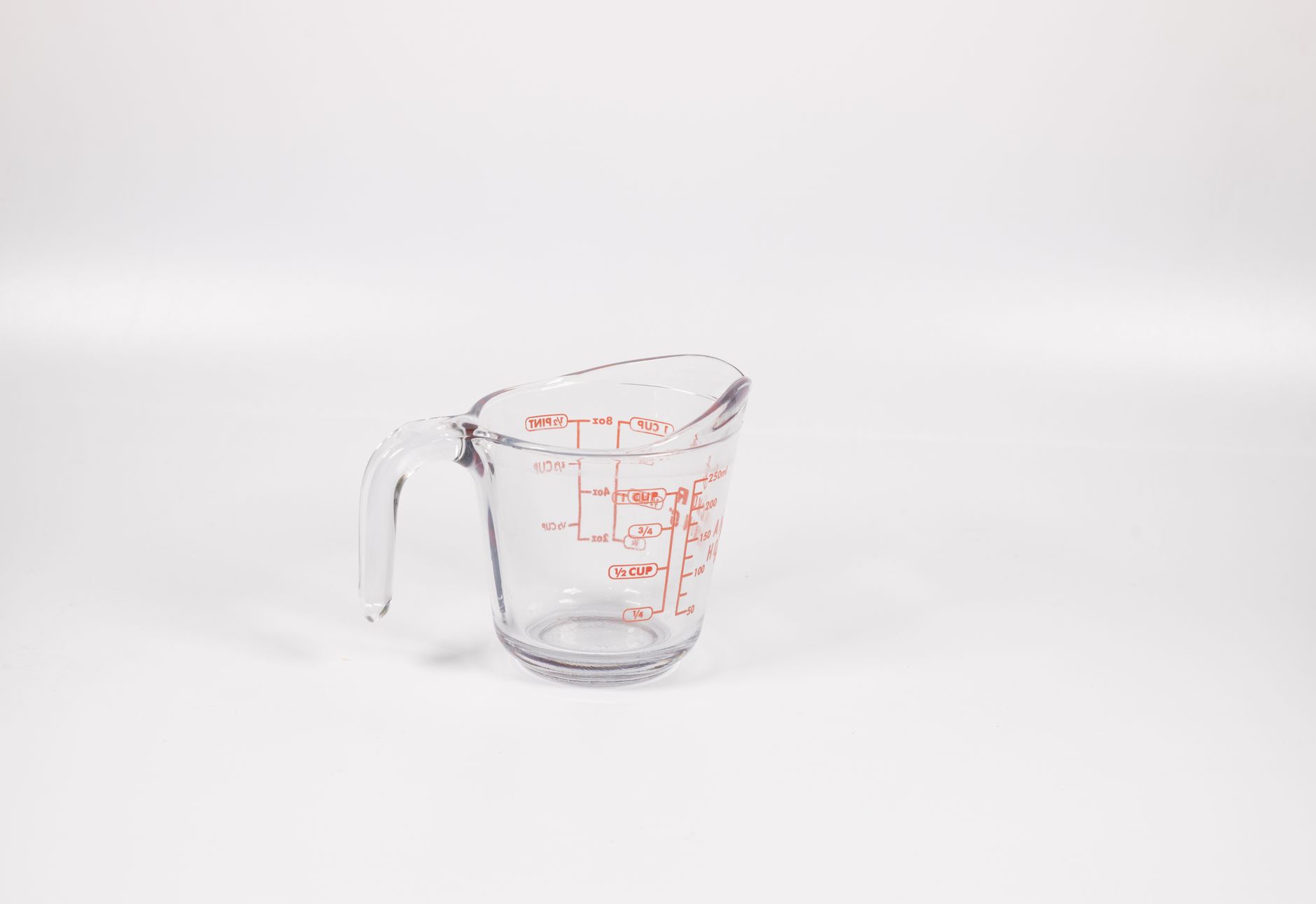
- Measuring Cups: Typically made of glass, plastic, or metal, these come in sets of different sizes, including 1 cup, ½ cup, ⅓ cup, and ¼ cup.
- Measuring Spoons: Usually available in sets, they include tablespoons and teaspoons. They are essential for smaller measurements.
- Digital Scale: For the utmost precision, especially in baking, a digital kitchen scale can measure ingredients by weight, providing an alternative to volume measurements.
Common Conversions and Equivalents
Besides the basic conversion of tablespoons to cups, there are several other useful conversions to keep in mind:
| Cup | Tablespoons | Teaspoons |
|---|---|---|
| 1/4 Cup | 4 Tbsp | 12 Tsp |
| 1/3 Cup | 5 Tbsp + 1 Tsp | 16 Tsp |
| 1/2 Cup | 8 Tbsp | 24 Tsp |
| 1 Cup | 16 Tbsp | 48 Tsp |
When to Convert Tablespoons to Cups
You may need to convert tablespoons to cups for several reasons:
- Recipe Adjustment: If you’re scaling a recipe, understanding these conversions lets you more easily double or halve ingredients.
- Ingredient Availability: Sometimes, you may have limited amounts of an ingredient, necessitating conversions to fit what you have.
- Ingredient Substitutions: When substituting one ingredient for another, understanding measurements ensures you maintain the right balance in your dish.
Helpful Tips for Accurate Measurement
To ensure accurate measurements, follow these tips:
- Use Dry and Liquid Measuring Cups Appropriately: Dry measuring cups are best for ingredients like flour or sugar. Liquid measuring cups are ideal for liquids like water or milk.
- Level Off Dry Ingredients: For dry ingredients, fill the measuring cup and then level it off with a straight edge for accuracy.
- Don’t Pack Ingredients: Particularly with flour and sugar, packing can lead to inaccurate measurements. Scoop gently to avoid compressing the ingredient.
Common Mistakes That Can Affect Measurement
A few common errors can lead to incorrect measurements:
- Using the Wrong Tools: Make sure to use the correct tools for measuring dry versus liquid ingredients.
- Misreading Measurements: Always double-check that you are using the right measurement unit, whether tablespoons, teaspoons, or cups.
- Ignoring Temperature: Ingredients like butter can change consistency based on temperature. Ensure you are measuring ingredients in the state indicated in the recipe.
Practical Examples of Recipes Using Cups and Tablespoons
It can be helpful to visualize how these measurements translate into actual cooking. Here are a few practical examples:
Baking a Cake
When baking a cake, you might need the following measurements:
- 1 cup of flour (16 tablespoons)
- 1/2 cup of sugar (8 tablespoons)
- 1/4 cup of butter (4 tablespoons)
In this instance, if you only have a tablespoon measure, you would need to use 16 tablespoons of flour, 8 tablespoons of sugar, and 4 tablespoons of butter. Understanding these conversions helps maintain the correct ratios.
Preparing a Salad Dressing
For a simple vinaigrette, you might use:
- 1/4 cup olive oil (4 tablespoons)
- 1/4 cup vinegar (4 tablespoons)
- 1 tablespoon mustard
Here, knowing that there are 4 tablespoons in 1/4 cup allows you to manage ingredient ratios effectively, leading to a balanced dressing.
Adapting Recipes with Ingredient Substitutions
Sometimes, you may not have a specific ingredient on hand and need to make substitutions. When doing this, it’s important to convert measurements accurately. Below are a few common substitutions and their conversions:
Common Substitutions
| Ingredient | Substitute | Conversion |
|---|---|---|
| Butter | Applesauce | 1 cup butter = 1 cup applesauce (for moisture but may change texture) |
| Milk | Water + butter | 1 cup milk = 1 cup water + 1 tbsp butter |
| Sugar | Honey | 1 cup sugar = 3/4 cup honey |
Make-Ahead and Storage Guidance
When cooking, batch preparation allows you to save time for future meals. Here are some tips for storing prepared ingredients:
- Use airtight containers to store prepared ingredients to maintain freshness.
- Label containers with the date and contents to keep track of what you have on hand.
- Consider portion sizes so you can easily defrost or use only what you need without waste.
Exploring Further: Measurements Beyond Cups and Tablespoons
While cups and tablespoons are common, understanding other measurement units can enhance your cooking:
- Liters and Milliliters: Useful for measuring liquids, especially in international recipes.
- Ounces and Pounds: Often used in recipes that involve meat or cheese, knowing conversions to cups can be beneficial.
Conclusion
Having a firm grasp on basic measurements like how many tablespoons are in a cup enhances your cooking and baking abilities. It ensures you’re consistent and precise in your recipe execution, leading to better and more reliable results. Next time you’re in the kitchen, keep these conversions in mind to help streamline your cooking process and improve your culinary creations.
To further enrich your cooking adventures, explore our guides on what shortening is in baking or the difference between bleached and unbleached flour for more insightful information. Happy cooking!