
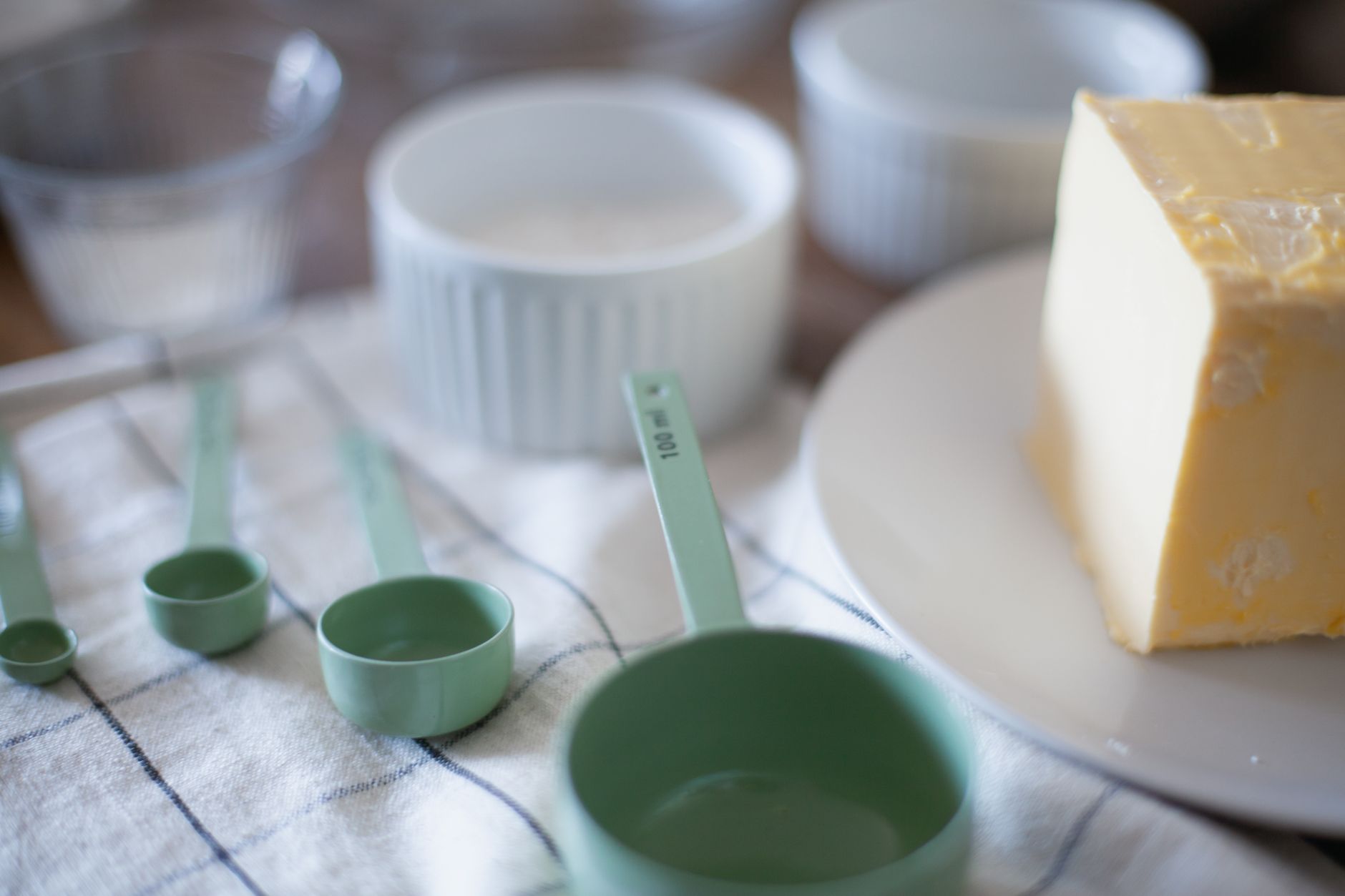
Understanding conversions in the kitchen is essential for successful cooking and baking. One common question that arises is, “How many tablespoons of butter is 1/3 cup?” Knowing this measurement can help you follow recipes that specify ingredients in different units.
Accurate conversions not only save time but also ensure the right balance of flavors and textures in your dishes. In this article, we’ll clarify how many tablespoons are in a 1/3 cup of butter and provide additional context around butter measurements, including tips for using butter in various culinary applications.
How Many Tablespoons of Butter Is 1/3 Cup?
There are 5 tablespoons plus 1 teaspoon in 1/3 cup of butter. To be precise, 1 cup equals 16 tablespoons, so when you divide that by three, you get approximately 5 tablespoons and 1 teaspoon per 1/3 cup.
Why Measurement Matters in Cooking
Precise measurements are vital in cooking and baking. Unlike cooking, where you might be able to adjust seasonings to taste, baking is a science that often requires exact amounts of ingredients. Even small deviations can lead to unexpected results, such as inconsistent texture, flavor, or rise.
Butter, for instance, not only contributes flavor but also impacts the texture and moisture content in baked goods. Therefore, getting the measurement right is crucial. Below, we will delve into the types of butter, measurement techniques, and how to effectively work with this key ingredient.
Understanding Butter Measurements
Types of Butter
There are various forms of butter available, including:
- Unsalted Butter: Most commonly used in baking, this type gives you complete control over the amount of salt in a recipe.
- Salted Butter: Contains added salt, which can enhance flavor but may affect the overall salt balance in baked goods.
- Clarified Butter: Removed milk solids and water, offering a higher smoke point, ideal for sautéing and frying.
- Cultured Butter: Made from fermented cream, giving it a tangy flavor and creamier texture.
Most recipes will specify whether to use salted or unsalted butter, which can impact your dish’s final flavor profile.
Measurement Techniques
Butter is typically sold in sticks in the United States, and each stick measures 1/2 cup or 8 tablespoons. When your recipe calls for 1/3 cup of butter, here’s how to measure it accurately:
- Start with a stick of butter. Since one stick equals 8 tablespoons, you can easily break it down.
- Calculate the required amount: 1/3 of 8 tablespoons is approximately 5.33 tablespoons.
- For practical purposes, this translates to 5 tablespoons plus 1 teaspoon.
Tips for Using Butter in Recipes
When working with butter in recipes, keep the following tips in mind to maximize flavor and texture:
1. Temperature Matters
Butter should be at the right temperature for different types of recipes:
- Room Temperature: Ideal for creaming with sugar to create a light, airy texture.
- Chilled Butter: Essential for pie crusts and pastries to achieve flakiness.
- Melted Butter: Used in batters for moistness, such as in brownies or certain cakes.
2. Alternate Measurements
If you find yourself short on butter, there are substitutes you can use that vary in flavor and texture:
- Shortening: A common substitute that can create a tender texture, especially in cookies.
- Margarine: Similar in texture, but flavor will differ somewhat from butter.
- Applesauce: Appropriate for moisture in baked goods, but will change the flavor profile and texture significantly.
Common Mistakes When Measuring Butter
Even experienced home cooks can make errors when measuring butter. Here are some common pitfalls to avoid:
1. Not Using the Right Tools
Using a measuring spoon instead of a kitchen scale or incorrect measuring cups can lead to inaccuracies. A kitchen scale is the most reliable method for precise measurements.
2. Assuming Stick Measurements
Not all butter sticks are created equal in different regions. While U.S. butter usually comes in 1/2 cup sticks, internationally, you may find different measurements and packing. Always verify what type you’re using.
3. Skipping Temperature Checks
Not ensuring the butter is at the recommended temperature can drastically affect your end product. For example, room temperature butter (softened) is crucial when creaming with sugar for cookies to achieve the right texture.
Using Butter in Recipes: Practical Applications
Butter is a versatile ingredient that finds its way into numerous recipes. Below are some practical applications for butter in various cooking contexts, along with brief explanations for successful implementation.
Baking
In baking, butter is often the star ingredient, providing rich flavor. Here’s how it’s typically utilized:
- Cakes: Butter is creamed with sugar for cakes to introduce air and give a light texture.
- Cookies: Depending on temperature, it can create chewy or crispy cookies.
- Breads: Added for richness and moisture, especially in enriched doughs.
Cooking
When sautéing or frying, butter adds flavor and aids in browning. Here’s how to incorporate it effectively:
- Flavoring: Add butter to vegetables or meats to enhance their savory qualities.
- Brown Butter: Melt butter until it has a nutty aroma; this adds depth to sauces and pancakes.
Condiments and Sauces
Butter is also used to create rich sauces and dressings:
- Beurre Blanc: A classic French sauce made with butter, vinegar, and shallots.
- Compound Butter: Butter mixed with herbs, spices, or other flavorings to top meats or vegetables.
Explore Alternative Measurements and Conversions
While knowing that 1/3 cup equals 5 tablespoons plus 1 teaspoon of butter is crucial, it can be beneficial to understand other common measurements. Here’s a brief list of common butter measurements:
| Measurement | Tablespoons | Conversion to Cups |
|---|---|---|
| 1/4 cup | 4 tablespoons | 0.25 cups |
| 1/2 cup | 8 tablespoons | 0.5 cups |
| 3/4 cup | 12 tablespoons | 0.75 cups |
| 1 cup | 16 tablespoons | 1 cup |
Conclusion
Understanding that 1/3 cup of butter is equal to 5 tablespoons plus 1 teaspoon is a basic yet vital component of effective cooking and baking. By mastering butter measurements and techniques, you can improve your overall kitchen skills and outcomes in a variety of recipes, from cookies to sauces.
Next time you find yourself in the kitchen with butter, remember these guidelines and tips to ensure your culinary creations are both delicious and well-executed. For more recipes and insights, be sure to check out our caramel icing recipe and consider trying the cinnamon roll recipe with heavy cream for a delightful treat.