
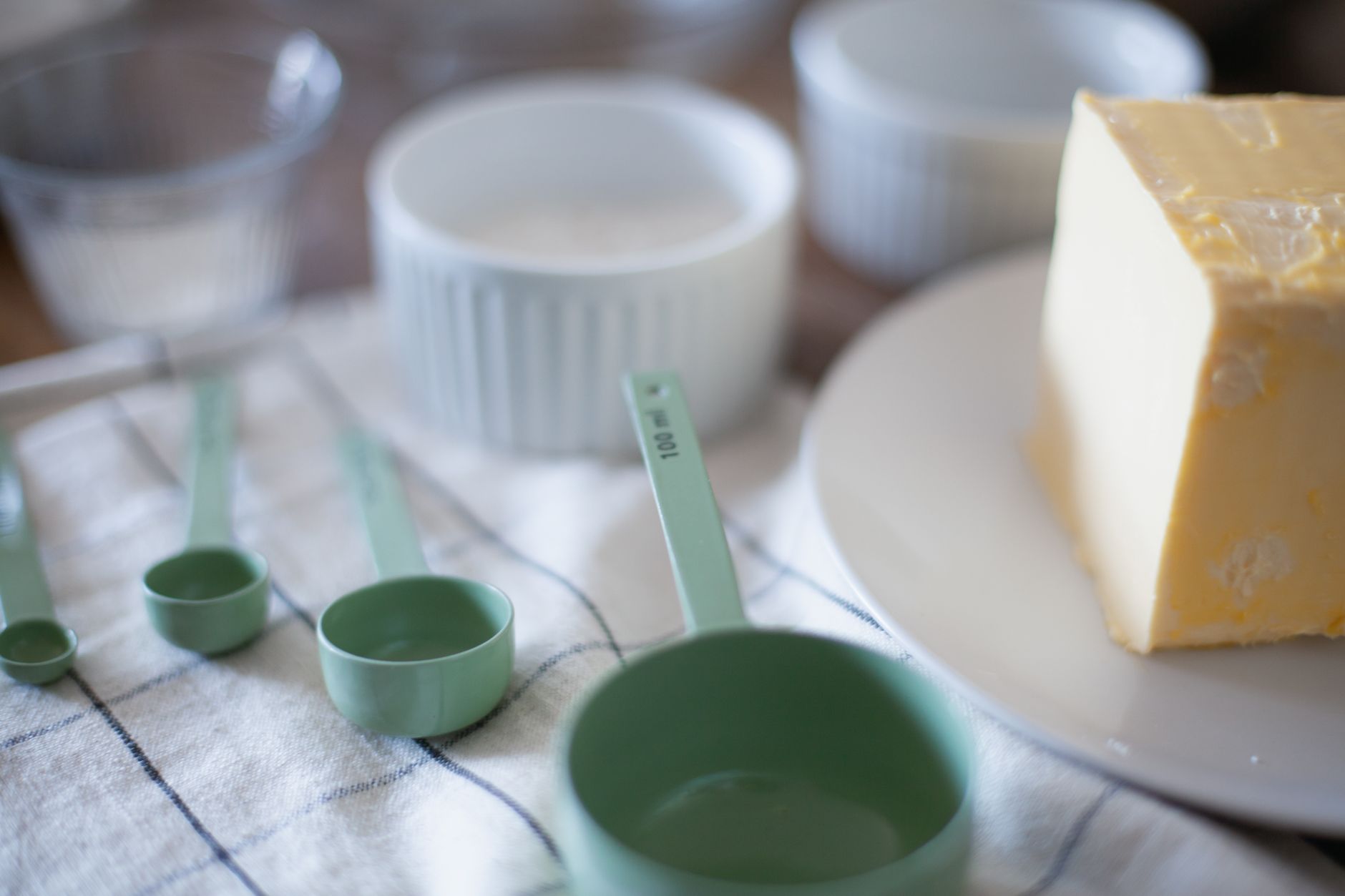
The question of how many tablespoons are in a cup of butter often arises in kitchens across the globe, whether you’re baking cookies, preparing a sauce, or making a classic buttercream frosting. Understanding this conversion is crucial for precision in cooking and baking since measurements significantly impact the outcome of a dish.
In this detailed guide, we will clarify the conversion from cups to tablespoons, explore the nature of butter in cooking, and provide handy tips for measuring and substituting when necessary. This will ensure that you’re equipped with the necessary knowledge for your culinary endeavors.
How Many Tablespoons Are in 1 Cup of Butter?
There are 16 tablespoons in 1 cup of butter. This conversion is based on the standard American measurement system, where 1 cup is equal to 8 fluid ounces, and each tablespoon equals approximately half an ounce. Thus, when you multiply 8 fluid ounces by 2 tablespoons per ounce, you arrive at a total of 16 tablespoons.
Understanding Butter: Types and Uses
Butter is a fundamental ingredient in many recipes and plays a vital role in cooking and baking due to its flavor, texture, and ability to enhance the overall quality of dishes. There are several types of butter available, each with unique properties:
- Salted Butter: This type has salt added, which enhances flavor and increases shelf life. It’s commonly used for spreading on bread and for general cooking.
- Unsalted Butter: This is the preferred choice for baking as it allows for better control over the salt content in recipes. Many pastry chefs and bakers recommend using unsalted butter to ensure consistent results.
- European Butter: Generally richer in butterfat (around 82-85%) compared to standard butter (80%), this type provides a creamier texture and flavor, making it ideal for gourmet baking.
- Clarified Butter: This is butter that has had its water and milk solids removed, resulting in a pure fat. It’s often used in high-heat cooking, as it has a higher smoke point than regular butter.
How to Measure Butter Accurately
Measuring butter accurately is essential for achieving desired results, especially in baking where precision is crucial. Here are the best practices for measuring butter:
Using Sticks
Butter commonly comes in sticks with handy measurements on the packaging. Each stick of butter typically weighs 4 ounces (1/2 cup) and is marked with tablespoon measurements on the wrapper, making it easy to slice off the precise amount you need. For example, if a recipe calls for 1 cup of butter, you’ll need 2 sticks.
Using a Liquid Measuring Cup
If you’re using a block of butter without markings, you can also use a liquid measuring cup. To do this:
- Place the butter in a liquid measuring cup.
- Pour water into the cup until the total volume reaches 1 cup. The amount of water you added before reaching that mark will indicate how much butter you have.
Using a Kitchen Scale
A kitchen scale is the most accurate way to measure butter. Simply weigh out the amount needed for your recipe. Remember that 1 cup of butter equals approximately 227 grams.
Substituting Butter in Recipes
In some situations, you may need to substitute butter. Here are a few alternatives and considerations:
- Margarin: While margarine has a similar composition to butter, it may have a slightly different flavor and consistency. Typically, you can substitute margarine for butter in a 1:1 ratio.
- Coconut Oil: This is a popular dairy-free alternative and can be used in baking. However, coconut oil has a strong flavor, so it may change the final taste of your dish. Use it as a 1:1 substitution.
- Applesauce: For those looking to reduce fat, unsweetened applesauce can be used in baking. Replace half of the butter with applesauce to retain moisture; however, this works best in recipes for quick breads or muffins.
- Ghee: This clarified butter provides a nutty flavor and has a higher smoke point. Use as a 1:1 substitution for butter in recipes.
- Pureed Silken Tofu: This can be used for cooking or baking to replace butter in a 1:1 ratio, especially in recipes where fat is not primarily responsible for flavor.
Common Mistakes When Measuring Butter
Even experienced cooks can make errors when measuring butter, leading to disappointing results. Here are some typical pitfalls to avoid:
- Not Using the Right Measurements: Always verify your measurements. It’s crucial to double-check whether you need packed or loosely measured tablespoons.
- Melting Butter: If a recipe requires cold butter, make sure to keep it refrigerated until it’s time to use it. Melted butter can lead to a completely different texture in baked goods.
- Ignoring Temperature: Many recipes specify using room temperature butter for optimal mixing. Pay attention to this detail to enhance the incorporation of ingredients.
Butter’s Role in Baking
Butter is known for imparting rich flavor and tenderness to baked goods. Here’s how it influences various baked items:
Cakes
In cake baking, butter’s role is to create a fluffy texture and contribute flavor. Creaming butter with sugar incorporates air, which expands during baking, resulting in light, airy cake. Properly measured and tempered butter is essential for the best results.
Cookies
For cookies, butter affects the spread and texture. Cookies made with melted butter typically spread more, while chilled butter yields thicker, chewier cookies. Adjusting butter states can alter the result significantly.
Pies and Pastries
Butter creates flakiness and richness in pie crusts and pastries. When mixed with flour, chilled butter creates small pockets, resulting in a tender and flaky texture once baked. High-quality unsalted butter is usually recommended for the best flavor impact.
Storing Butter Properly
Storing butter correctly is important for maintaining its freshness and flavor. Here are some guidelines:
- Refrigeration: Unopened butter can be stored in its original packaging in the refrigerator for up to 4 months. Once opened, it should be well-wrapped or in an airtight container to prevent absorption of odors from other foods.
- Freezing: Butter can be frozen for longer storage. Wrap it tightly in foil, plastic wrap, or place it in a freezer bag. Frozen butter can last up to a year. Just remember to thaw it in the refrigerator before use.
- Room Temperature: A small amount of butter can be kept at room temperature for spreading, but it should not exceed a week. Use a butter bell or dish with a lid to keep it fresh.
Helpful Tips for Using Butter in Your Cooking
Here are some tips to get the most out of your butter while cooking:
- Softening Butter: If you need to soften butter quickly, cut it into small pieces, or grate it to allow faster softening. Alternatively, place it in a warm spot in the kitchen, but do not let it melt.
- Flavor Infusions: You can infuse butter with herbs, garlic, or spices by gently heating it over low heat and allowing the flavors to meld before using it in your recipes.
- Butter as Grease: Use softened butter as a grease for pans, which will not only help prevent sticking but will also add flavor to your baked goods.
Conclusion
Understanding how many tablespoons are in a cup of butter and how to measure butter accurately can make a significant difference in the outcome of your cooking and baking experiences. Armed with the knowledge of butter types, measurement techniques, and common pitfalls, you can confidently take on diverse recipes with precision.
If you’re interested in expanding your culinary skills or learning more about butter, consider exploring helpful recipes like clarified butter recipes and the delightful cinnamon roll recipe with heavy cream. Each contributes to a greater understanding of utilizing butter effectively in the kitchen.