
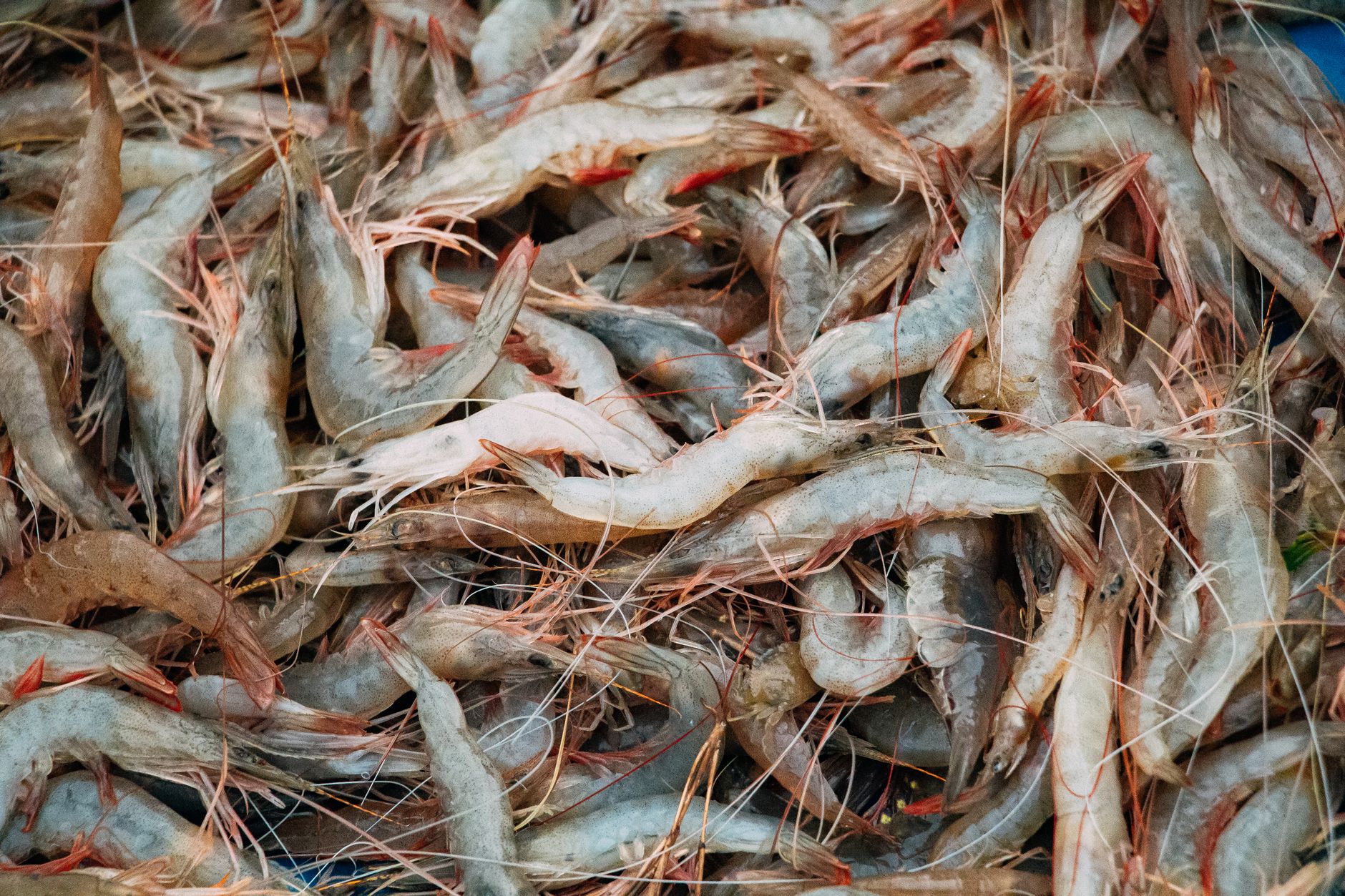
When cooking with shrimp, knowing how many shrimp there are in a pound can help with meal planning, portion control, and recipe accuracy. Shrimp is a versatile ingredient that lends itself to various dishes, from simple pasta to elegant seafood platters.
This guide delves into the intricacies of shrimp sizing, conversion tips, and practical measurements to ensure you can confidently navigate your shrimp recipes.
How Many Shrimp in a Pound?
The number of shrimp in a pound can vary significantly based on their size. On average, there are approximately 16 to 20 large shrimp per pound, while smaller shrimp can yield between 30 to 40 per pound. Understanding these variances can help when purchasing shrimp for your favorite dish.
Understanding Shrimp Sizes
Shrimp are categorized by size, and this classification is crucial when determining how many shrimp come in a pound. The sizes are often described using a count per pound, which indicates how many shrimp there are in that weight. Here’s a more detailed breakdown:
- U/10: 10 or fewer shrimp per pound (very large)
- U/15: 15 or fewer shrimp per pound (extra large)
- 16/20: 16 to 20 shrimp per pound (large)
- 21/25: 21 to 25 shrimp per pound (medium to large)
- 26/30: 26 to 30 shrimp per pound (medium)
- 31/40: 31 to 40 shrimp per pound (small)
- 41/50: 41 to 50 shrimp per pound (small to extra small)
The larger the shrimp, the fewer there will be in a pound. Conversely, smaller shrimp mean you’ll receive a higher quantity per pound.
Popular Shrimp Varieties and Their Sizes
Different species of shrimp can vary in size and texture. Here are a few popular types and their characteristics:
- White Shrimp: Known for its mild flavor and firm texture; generally available in various sizes.
- Pink Shrimp: Sweet and delicate, usually on the smaller side.
- Black Tiger Shrimp: Large and robust, often sold in sizes 16/20 or larger.
- Rock Shrimp: Recognizable for their unique shell and a firm texture; usually comes in medium sizes (26/30).
When selecting shrimp, consider what will best suit your recipe based on the variety and size.
Conversions and Measuring Tips
Understanding how to convert shrimp measurements can be beneficial, especially when scaling recipes. Here are some practical conversions based on shrimp sizes:
Standard Conversion Examples
| Shrimp Size | Shrimp per Pound | Approximate Serving Size |
|---|---|---|
| U/10 | 10 | 2-4 servings |
| U/15 | 15 | 3-5 servings |
| 16/20 | 20 | 4-6 servings |
| 21/25 | 25 | 6-8 servings |
| 26/30 | 30 | 8-10 servings |
| 31/40 | 40 | 10-12 servings |
| 41/50 | 50 | 12-15 servings |
These serving sizes can help you plan your meals according to the size of the shrimp used in your recipes.
How Many Shrimp for Specific Recipes
When preparing dishes, knowing how many shrimp to use can make a significant difference in the meal’s outcome. Here are some typical scenarios:
Pasta Dishes
For a shrimp pasta recipe serving four people, using about ½ pound of large shrimp (16/20 count) or 1 pound of smaller shrimp (31/40 count) generally yields the best results. The large shrimp provide a good meaty bite, while the smaller variations add texture without overwhelming the dish.
Appetizers
When serving shrimp as part of an appetizer platter or shrimp cocktail, plan for about 8 to 12 large shrimp (16/20 count) per person. This ensures your guests have enough to enjoy without running out.
Skewers or Grilled Dishes
When using shrimp for skewers, about ¼ pound of shrimp per person should suffice. Skewers usually accompany side dishes, so a smaller portion tends to be better.
Buying Shrimp: Fresh vs. Frozen
When purchasing shrimp, you’ll often have to choose between fresh and frozen options. Each has its benefits:
- Fresh Shrimp: Typically sweeter and firmer, ideal for recipes where the shrimp is the star.
- Frozen Shrimp: Convenient and often just as flavorful due to quick-freezing methods retaining freshness. Most shrimp sold is flash-frozen at sea, making it just as good as fresh.
When purchasing, always ensure you check seafood quality indicators, such as color, smell, and appearance. Fresh shrimp should smell like the ocean, and their shells should be firm without signs of browning.
How to Prepare Shrimp
After selecting your shrimp, proper preparation is key to ensuring they taste delicious and retain their texture. Follow these steps:
Cleaning Shrimp
- Start by rinsing the shrimp under cold running water to remove any residual grit or debris.
- To peel the shrimp, grasp the legs and gently pull the shell away from the body. For large shrimp, you can remove the tail if desired.
- To devein, make a shallow cut along the back of the shrimp and use a knife or a deveiner to remove the dark vein.
Cooking Shrimp
When cooking shrimp, it’s essential not to overcook them. Typically, shrimp only take 2 to 3 minutes to cook, depending on their size. They are done when they turn opaque and their internal temperature reaches 120°F. Here are some common cooking methods:
Sautéing
- Heat oil or butter in a skillet over medium-high heat.
- Add the shrimp in a single layer to the skillet.
- Cook for 2-3 minutes, flipping once, until the shrimp are done.
Boiling
- Bring a pot of salted water to a boil.
- Add the shrimp and cook for 2-3 minutes until they turn opaque. Remove immediately and place in ice water to stop cooking.
Grilling
- Preheat your grill to medium-high. Thread marinated shrimp onto skewers.
- Cook for 2-3 minutes per side until they are opaque and firm.
Common Mistakes When Cooking Shrimp
While cooking shrimp seems simple, there are pitfalls to avoid:
- Overcooking: This results in rubbery, tough shrimp. Pay attention to their color change.
- Not thawing properly: If using frozen shrimp, make sure they are fully thawed before cooking to ensure even cooking.
- Skipping seasoning: Shrimp can be bland if not seasoned appropriately. Consider marinating or seasoning before cooking.
Storing Leftover Shrimp
Leftover shrimp need to be stored properly to maintain freshness. Follow these tips:
- Place cooked shrimp in an airtight container and refrigerate within two hours of cooking.
- For longer storage, freeze cooked shrimp, ensuring they are sealed tightly to prevent freezer burn.
- Cooked shrimp can last two to three days in the refrigerator or up to three months in the freezer.
Possible Shrimp Recipes
Armed with your knowledge of shrimp sizes and cooking methods, you might want to explore different recipes. Here are a couple to consider:
- Creamy Coconut Shrimp Recipe – A delightful dish that balances sweetness and savory flavors.
- Shrimp Scampi Recipe Without Wine – A quick and flavorful preparation perfect for a weeknight dinner.
Understanding shrimp sizes and how many shrimp are in a pound simplifies meal planning and recipe preparation. It allows you to accurately gauge your servings and maintain proper cooking practices to create exquisite shrimp dishes.
For more culinary tips and tasty recipes, explore our other articles to enhance your cooking experience!