
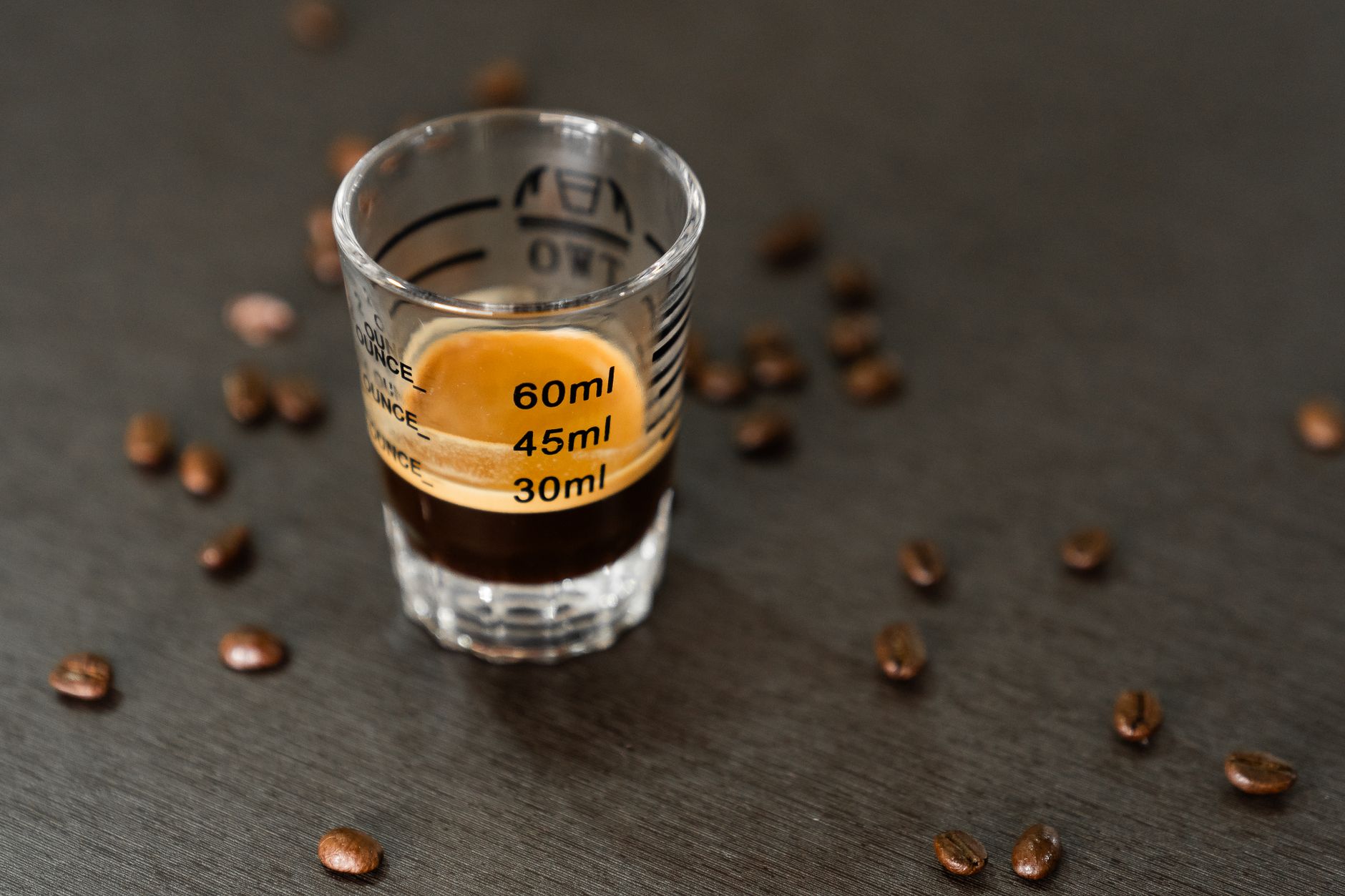
Understanding liquid measurements is crucial in cooking, mixing drinks, or when pouring shots. One common question encountered in these scenarios is, “How many shots is 100ml?” This inquiry leads to interesting insights in both culinary and mixology aspects.
In this guide, we will explore the various factors that determine shot sizes, the ingredients commonly measured in milliliters, and practical serving recommendations. We will also cover the alcohol by volume (ABV) of different drinks, ensuring you have a well-rounded understanding of measurements.
How Many Shots Is 100ml?
100 milliliters is typically equal to approximately 3.4 standard shots. This is based on the standard shot measurement being around 30 ml (or 1 ounce). However, variations in shot sizes exist globally, so understanding the specific context is important for accuracy.
Understanding Shot Sizes
The standard shot size can vary by country. In the United States, a standard shot is generally considered to be 1.5 ounces (about 44.36 ml). In many other regions, including the UK, it might be 25 ml or even 35 ml. This variation can affect how many shots you can get from 100 ml, depending on the measurement used.
- US Standard Shot: 44.36 ml (2.25 shots from 100 ml)
- UK Standard Shot: 25 ml (4 shots from 100 ml)
- Common European Shot: 30 ml (about 3.34 shots from 100 ml)
Measuring Liquids Accurately
Using a liquid measuring tool, such as a jigger or a measuring cup, is essential for achieving accurate measurements. Avoid relying solely on visual estimations, as these can lead to inconsistent results in recipes and drink preparations.
Tools for Measuring Liquids
- Jigger: A small double-sided measurement tool typically used in bartending, with one side measuring 1 ounce (30 ml) and the other measuring 0.5 ounces (15 ml).
- Measuring Cups: Often used in cooking; look for clear cups marked with milliliter measurements.
- Liquid Measuring Spoons: Great for smaller quantities; many sets include ml markings.
- Graduated Cylinders: For precise measurements, especially useful in scientific experiments but can also be used in the kitchen.
Common Ingredients Measured in Milliliters
Liquid ingredients play an essential role in various recipes and drinks. Understanding how to measure ingredients in milliliters will improve your kitchen skills significantly. Here are some common ingredients often measured using ml:
- Liquors: Vodkas, gins, rums, tequilas, and whiskeys are frequently measured in milliliters for both pouring shots and in recipes.
- Mixers: Soft drinks, tonic water, and juices are commonly mixed with spirits, making accurate measurements crucial to balance flavors.
- Cooking Liquids: Recipes for marinades, sauces, and dressings often utilize milliliters for precise measurement of oils and liquids.
- Baking Ingredients: While most baking recipes use weight measurements, certain liquefied elements, like milk or water, may be given in milliliters.
Alcohol by Volume (ABV) & its Importance
Understanding the alcohol by volume (ABV) of different liquors is essential when creating cocktails or managing your intake. The ABV percentage indicates how much of the beverage is pure alcohol, impacting flavor intensity and drink safety.
| Type of Alcohol | Typical ABV |
|---|---|
| Beer | 4-6% |
| Wine | 9-16% |
| Spirits | 20-50% |
| Liqueurs | 15-30% |
Practical Shot Serving Guide
When hosting an event or simply mixing drinks at home, having a handy guide for serving shots can enhance the experience for your guests. Here are some tips on serving shots effectively:
Choosing the Right Glassware
Utilizing the right glass enhances the drinking experience. Common choices for shot glasses include:
- Standard Shot Glasses: Typically hold 1.5 ounces (44.36 ml), ideal for US measurements.
- Short Glasses: Often used for neat spirits or liqueurs; they can come in various shapes and sizes.
- Chilled Shot Glasses: Some opt for freezing shot glasses to serve chilled shots, enhancing the flavors and aromas.
Serving Techniques
- Start by preparing your ingredients. Measure each spirit or mixer in milliliters to maintain accuracy.
- Use a jigger for measuring, ensuring that each shot is consistent in volume and potency.
- Consider the order of spirits when layering shots, ensuring denser liquids stay at the bottom.
- Serve with garnishes, such as citrus or flavored syrups, to add character to your shots.
Common Cocktails with Measured Shots
Understanding how many shots are in a given volume can help you accurately mix cocktails, ensuring consistency across serves. Here are a few popular cocktails and their shot measurements:
Margarita
- Ingredients:
- 1.5 oz (45 ml) Tequila
- 1 oz (30 ml) Triple Sec
- 1 oz (30 ml) Lime Juice
- Total Volume: 105 ml, which is about 3.5 shots total when combining all ingredients.
Mojito
- Ingredients:
- 1.5 oz (45 ml) White Rum
- 1 oz (30 ml) Fresh Lime Juice
- 2 tsp Sugar
- Fresh Mint Leaves (to taste)
- Club Soda (to top up)
- Total Volume: Approximately 150 ml, providing several servings depending on shot size used.
Common Mistakes to Avoid
When measuring and serving shots, it is easy to make mistakes that can affect the overall quality of drinks or recipes. Avoid these common pitfalls:
- Inaccurate Measurements: Always use standard measuring tools; eyeballing can lead to inconsistent flavors.
- Using Improper Glassware: Choose appropriate glassware to enhance the drinking experience and maintain portion control.
- Ignoring ABV: Be mindful of the alcohol content in drinks, especially when serving guests.
Storage and Shelf Life of Liquors
Storing liquors correctly will ensure they maintain their quality over time. Here are some guidelines:
- Spirits: Keep them tightly sealed in a cool, dark place. Most spirits can last indefinitely, but their flavors may change after opening.
- Mixers: Store mixers in the refrigerator once opened to extend their freshness, typically around a few weeks, depending on the ingredients.
- Homemade Infusions: Infusions may have a shorter shelf life, generally six months to one year, when stored properly.
Make-Ahead and Planning Tips
If planning for a gathering, make-ahead drinks can streamline serving and enhance the experience for you and your guests. Here’s how:
- Batching Cocktails: Consider combining ingredients in advance for cocktails that can be batched, saving time during the event.
- Ice Preparation: Prepare ice ahead of time, particularly for cocktails served chilled, to minimize wait time for guests.
- Garnishes: Pre-prepare garnishes, such as lime wedges or herb sprigs, to add to the aesthetic of your drinks.
In summary, understanding the measurement of milliliters, especially in shot sizes, is essential for any home bartender or cook. Knowing how many shots are in 100 ml, along with how to measure accurately, can elevate your cooking and entertaining skills. Whether you’re whipping up cocktails for friends or cooking a delicious meal, precise measurements ensure that every drink and dish meets your expectations.
For more exciting drink ideas, consider checking out our Starburst Shot Recipe and Gummy Bear Shot Recipe.