
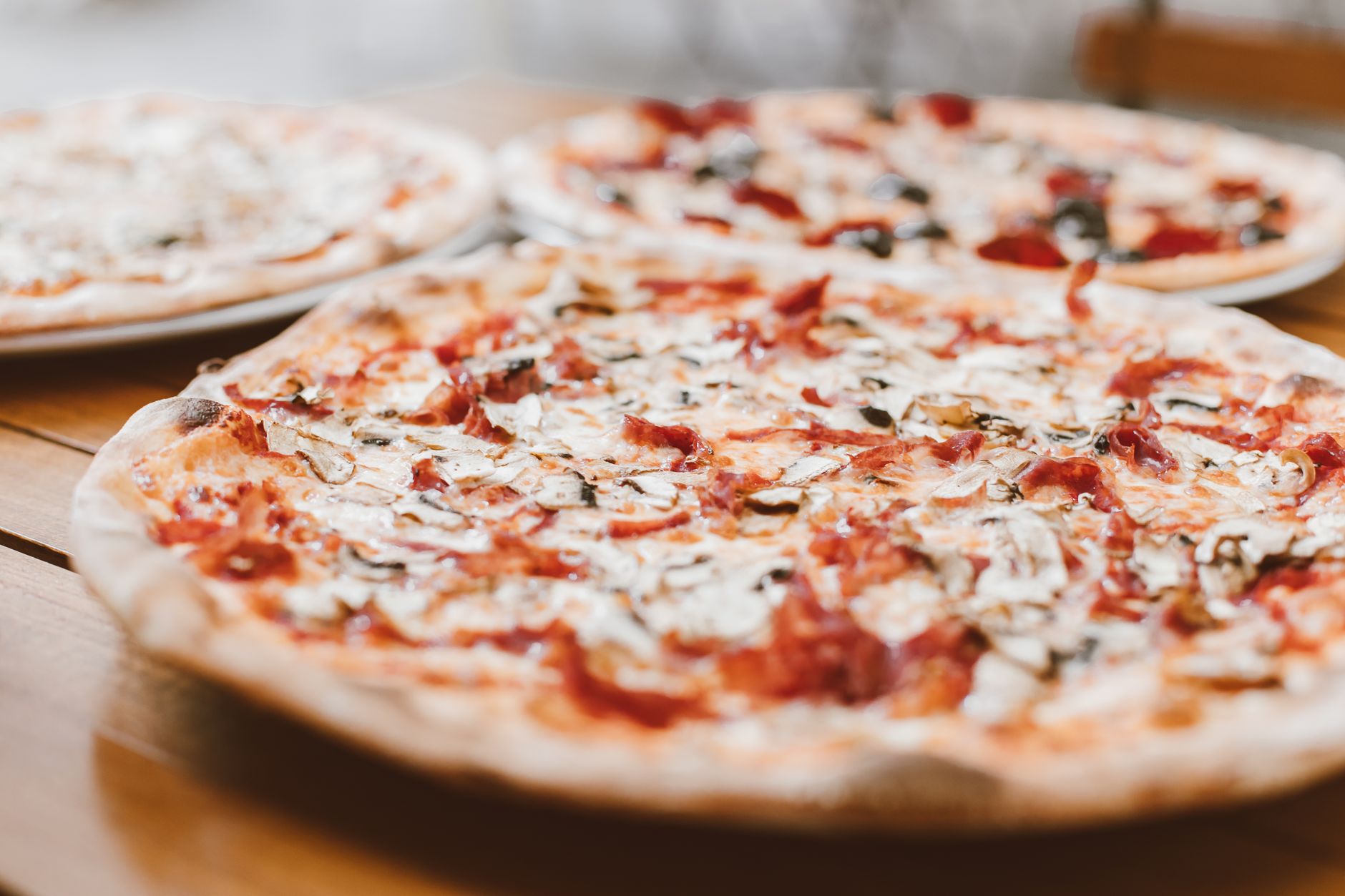
When planning a gathering or a party, pizza often emerges as a popular choice for feeding a crowd. But a common question arises: how many pizzas do you need for 25 people? This article will guide you through the factors influencing portion sizes and help you determine the right amount of pizza to order or prepare.
Understanding serving sizes and how much pizza each guest might consume can ensure everyone leaves satisfied. Let’s break down the calculations and considerations involved in planning for 25 hungry pizza lovers.
How Many Pizzas For 25 People?
To serve 25 people, a general rule of thumb is that one large pizza typically serves three to four adults. Based on this guideline, you would need approximately 7 to 9 large pizzas for a group of this size. However, several factors can influence this estimate, including the appetite of your guests, the variety of pizzas, the presence of side dishes, and whether it’s a main meal or part of a buffet.
Understanding Pizza Sizes and Servings
Pizzas come in various sizes, which can affect how many you need to order. Here’s a brief overview of common pizza sizes and their average slice counts:
- Small (10-inch) – Usually serves 1 to 2 people, with about 6 slices.
- Medium (12-inch) – Serves 2 to 3 people, with around 8 slices.
- Large (14-inch) – Serves approximately 3 to 4 people, with roughly 10 slices.
- Extra Large (16-inch) – Ideal for 4 to 5 people, offering 12 to 14 slices.
For your gathering of 25 people, you will find that large or extra-large pizzas provide the best serving size. Knowing the number of slices in each pizza and the average consumption will guide your order effectively.
Calculating Pizza Needs
Here are some factors to consider when calculating the number of pizzas to order:
Guest Demographics
Understand your guests’ preferences. Are they adults, teens, or kids? Adults generally consume about 2 to 4 slices, while younger guests may eat 1 to 2 slices, depending on their appetite and age. Adjust your calculations accordingly.
Appetite Considerations
If it’s a main meal, expect everyone to eat more. For casual gatherings with snacks or appetizers, opt for fewer pizzas. Consider the occasion and timing—guests may eat less at lunchtime than they would at dinner.
Type of Pizza
Variety can also influence consumption. If you serve a wide range of toppings (vegetarian, meat lovers, cheese), guests may be inclined to try multiple slices. Offering fewer specialty pizzas might mean fewer slices consumed overall per person.
Additional Food Items
If you’re serving sides like salads, wings, or breadsticks, consider reducing the number of pizzas. For instance, a well-stocked buffet may require fewer pizzas as guests will be sampling a variety of dishes.
Estimation Formula
To make precise calculations, consider the following formula:
- Calculate the total number of expected slices: Number of guests x Average slices per guest.
- Divide this number by the slices in each type of pizza.
Using this approach, if you anticipate each guest will eat about 3 slices:
25 guests x 3 slices = 75 slices needed
If ordering large pizzas with 10 slices each:
75 slices / 10 slices per pizza = 7.5 pizzas
Round it up to 8 pizzas for your order.
What If Guests Have Different Appetites?
Different guests may have varying appetites. Here are some tactics for accommodating these differences:
Offer a Variety of Pizzas
Serving different types of pizzas allows guests to select their favorites and can lead to more satisfied and full guests. Include vegetarian options alongside meat-heavy pizzas to cater to different preferences.
Include Smaller Sizes or Slices
Consider ordering medium-sized pizzas in addition to large ones if the crowd is mixed with children or lighter eaters. Medium pizzas could allow for more slice options, leading to less leftover pizza.
Encourage Sharing
If your guests are comfortable, encourage them to share or sample multiple pizzas. This approach can reduce waste and provide a more engaging dining experience.
Preparing Homemade Pizzas
If making pizzas at home, the same principles apply. However, you have the advantage of customizing toppings and sizes. Here’s how to approach this task:
Ingredients Needed
For a homemade pizza party, gather the following essentials:
- Pizza dough (store-bought or homemade)
- Pizza sauce (tomato, alfredo, or pesto)
- Cheese (mozzarella, parmesan, or your choice)
- Toppings (pepperoni, vegetables, herbs, etc.)
- Olive oil for brushing
- Flour for dusting
Essential Equipment
Make sure you have the right tools:
- Baking sheets or pizza stones
- Rolling pin for dough
- Pizza cutter or knife
- Oven
Making the Pizza Dough
- Combine flour, salt, yeast, and water in a mixing bowl to form the dough.
- Knead the dough for about 10 minutes until it’s smooth and elastic.
- Let the dough rise for 1-2 hours until it doubles in size.
Assembling the Pizza
- Preheat the oven to 475°F (245°C).
- Roll out the dough to your desired thickness on a floured surface.
- Transfer the rolled dough to a pizza stone or baking sheet.
- Spread pizza sauce evenly over the surface.
- Add cheese and your choice of toppings.
Baking the Pizza
- Bake in the preheated oven for 12-15 minutes or until the crust is golden brown and the cheese is bubbly.
- Remove and let it cool slightly before cutting.
Tips for Leftover Pizza
Leftover pizza is a common occurrence. Here are some effective ways to store and enjoy it later:
- Store uneaten pizza in an airtight container or wrap it tightly in aluminum foil.
- Refrigerate leftovers, where they will last about 3-4 days.
- For reheating, use an oven to maintain crispness rather than a microwave, which can make the crust soggy.
Handling Dietary Preferences
When planning your pizza menu, consider dietary restrictions or preferences. Here are some alternatives to include:
Vegetarian Options
Provide at least one vegetarian pizza option, including toppings such as mushrooms, bell peppers, olives, and spinach.
Gluten-Free Pizza
For those with gluten intolerance, many grocery stores and pizzerias offer gluten-free pizza crusts.
Vegan Choices
Consider dairy-free cheese options and vegetable toppings for your vegan guests. Ensure no animal products are used in the crust or sauces.
Final Thoughts and Recommendations
Calculating how many pizzas to order or prepare for 25 people comes down to understanding serving sizes, your guests’ preferences, and the occasion. The general guideline of 7 to 9 large pizzas provides a solid starting point, but be sure to factor in other elements affecting appetite and preference.
By considering the diversity of your guests, catering to dietary needs, and applying some thoughtful planning, you’ll be well on your way to hosting a successful pizza gathering that everyone will enjoy.
For more tips on feeding a crowd, check out our guide on how many pizzas for 40 people, or try your hand at making pizza rustica with our recipe. Both are perfect for your next celebration!