
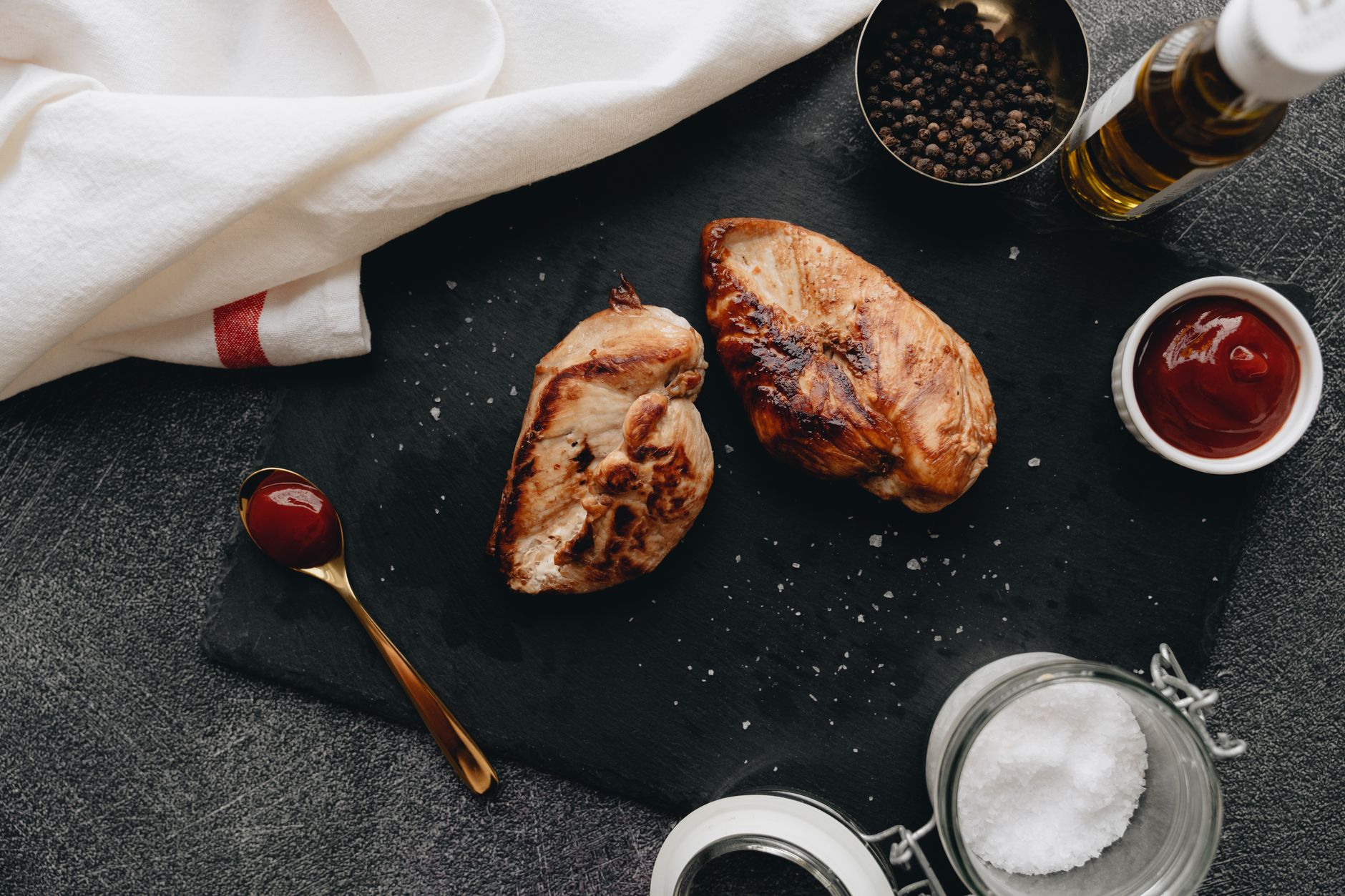
When it comes to cooking chicken, understanding proper serving sizes is crucial for meal planning and portion control. A standard serving of chicken can help ensure you’re meeting your dietary goals while avoiding waste. This guide will explore how many ounces of chicken is considered a serving, along with tips for proper preparation, cooking techniques, and considerations for different dietary preferences.
Chicken is a versatile protein that fits into a variety of culinary dishes, from salads to main courses. Knowing the correct serving size allows you to enjoy this delicious ingredient, whether you’re grilling, baking, or sautéing it. Let’s dive into the details.
How Many Ounces of Chicken Is a Serving?
A standard serving of cooked chicken is typically around 3 to 4 ounces. This recommendation comes from various dietary guidelines and is designed to help individuals meet their protein intake needs without overdoing it on portion sizes. It’s important to note that this size can vary based on several factors, including dietary requirements, activity levels, and nutritional goals.
Understanding Chicken Portions
Chicken can be prepared in multiple ways, affecting how it’s served. Here’s a deeper exploration of what constitutes a proper serving and how to measure it effectively.
Different Cuts of Chicken
Chicken is available in various cuts, each with its unique weight and volume characteristics. The commonly used cuts include:
- Chicken breast
- Chicken thighs
- Chicken drumsticks
- Whole chicken
While the serving size remains around 3 to 4 ounces for most cuts, the actual weight may vary depending on the cooking method and whether the skin is left on or removed.
Raw vs. Cooked Chicken
It’s important to distinguish between raw and cooked chicken when considering serving sizes. Raw chicken loses water and fat content during cooking, which alters its weight. Here’s a general guideline:
- 3 ounces of cooked chicken typically starts as about 4 ounces of raw chicken.
- Cooked chicken breast yields roughly 3 ounces of meat per 4 ounces raw.
- Skin-on cuts generally retain more moisture, slightly affecting the final cooked weight.
How to Measure Chicken Properly
Accurate measurement is key in determining how many ounces of chicken you’re serving. Here are several methods to help ensure you’re serving the right portion:
Using a Kitchen Scale
A kitchen scale is the easiest way to measure chicken portions accurately. Here’s how:
- Place the kitchen scale on a flat surface.
- Set it to zero with an empty plate or container on it.
- Add the chicken until you reach the desired weight (3-4 ounces).
Visual Estimates
If you don’t have a scale, visual estimates can help, though they may not be as accurate. Here’s a rough guide:
- A 3-ounce portion of chicken is roughly the size of a deck of cards.
- A 4-ounce serving looks like the size of the palm of your hand (without fingers).
- For ground chicken, a scoop the size of a standard ice cream scoop is approximately 3 ounces.
Cooking Techniques for Chicken
Proper cooking techniques can enhance the flavor and texture of chicken while ensuring it’s safe to eat. Here are popular methods to cook chicken:
Grilling Chicken
Grilling is an excellent method for producing flavorful chicken. Here’s how to grill chicken properly:
- Preheat your grill to medium-high temperature.
- Season the chicken with your choice of spices and marinades.
- Cook each side for about 6-8 minutes until the internal temperature reaches 165°F.
- Allow the chicken to rest for 5 minutes before slicing it.
Baking Chicken
Baking chicken helps retain moisture and is an easy hands-off method. Follow these steps:
- Preheat your oven to 375°F.
- Season the chicken and place it in a greased baking dish.
- Bake for 25-30 minutes, or until the internal temperature reaches 165°F.
- Let it rest before serving to keep it juicy.
Sautéing Chicken
Sautéing is a quick method that’s perfect for diced chicken in stir-fries. Here’s how:
- Heat a tablespoon of oil in a pan on medium-high heat.
- Add chicken pieces, seasoning as desired.
- Cook for about 4-6 minutes until browned and cooked through.
Substitutions for Chicken
For those with dietary restrictions or preferences, there are several alternatives to chicken that can fulfill similar roles in meals.
- Turkey: A lean white meat option that provides a similar flavor and texture.
- Tofu: A plant-based protein, great for vegetarian or vegan diets.
- Seitan: Another meat substitute made from wheat gluten, often used in stir-fries.
- Fish: Can be a good alternative for certain recipes but may require adjustments in cooking time.
Common Mistakes When Serving Chicken
Understanding proper portion sizes is essential, but there are also common mistakes to avoid:
- Over or underestimating portion sizes can lead to waste or unfulfilled dietary goals.
- Failing to consider the effects of cooking methods on final weight.
- Neglecting food safety guidelines, especially regarding internal cooking temperatures.
- Ignoring marinated or brined chicken’s weight can skew portion understanding.
Storage and Reheating of Cooked Chicken
Proper storage is key to maintaining the quality and safety of cooked chicken. Here are some tips:
- Cooked chicken should be refrigerated within two hours after cooking.
- Store in a sealed container. It can last in the refrigerator for 3 to 4 days.
- If you plan to keep it longer, freezing is an option. Cooked chicken can last 2-6 months in the freezer.
When reheating, ensure the chicken reaches an internal temperature of 165°F to safely consume.
Dietary Considerations
Understanding serving sizes of chicken is vital for various dietary needs. Here are some considerations:
High-Protein Diets
For those following high-protein diets, such as ketogenic or bodybuilder diets, you may want a larger serving size, possibly 4 to 6 ounces per meal, to meet your protein intake effectively.
Low-Calorie Diets
If you’re trying to reduce calorie consumption, sticking to a 3-ounce serving will help keep your caloric intake in check while still providing essential protein.
Family Meal Planning
When prepping meals for families, consider cooking larger portions of chicken, keeping servings divided according to age and appetite. Generally, children may need around 2 to 3 ounces, while adults can stick to the 3 to 4 ounces.
Conclusion
Understanding how many ounces of chicken is a serving is an essential skill for meal preparation, whether you’re cooking for yourself or a family. Adhering to suggested serving sizes can ensure that meals are balanced in protein while contributing to overall health goals. Remember, you can always adjust portion sizes based on individual dietary needs.
For further insights on cooked meats, check out how long is cooked ground beef good in the fridge or learn how long does cooked chicken last. These guides can enhance your meal-planning skills and ensure food safety in your kitchen.