
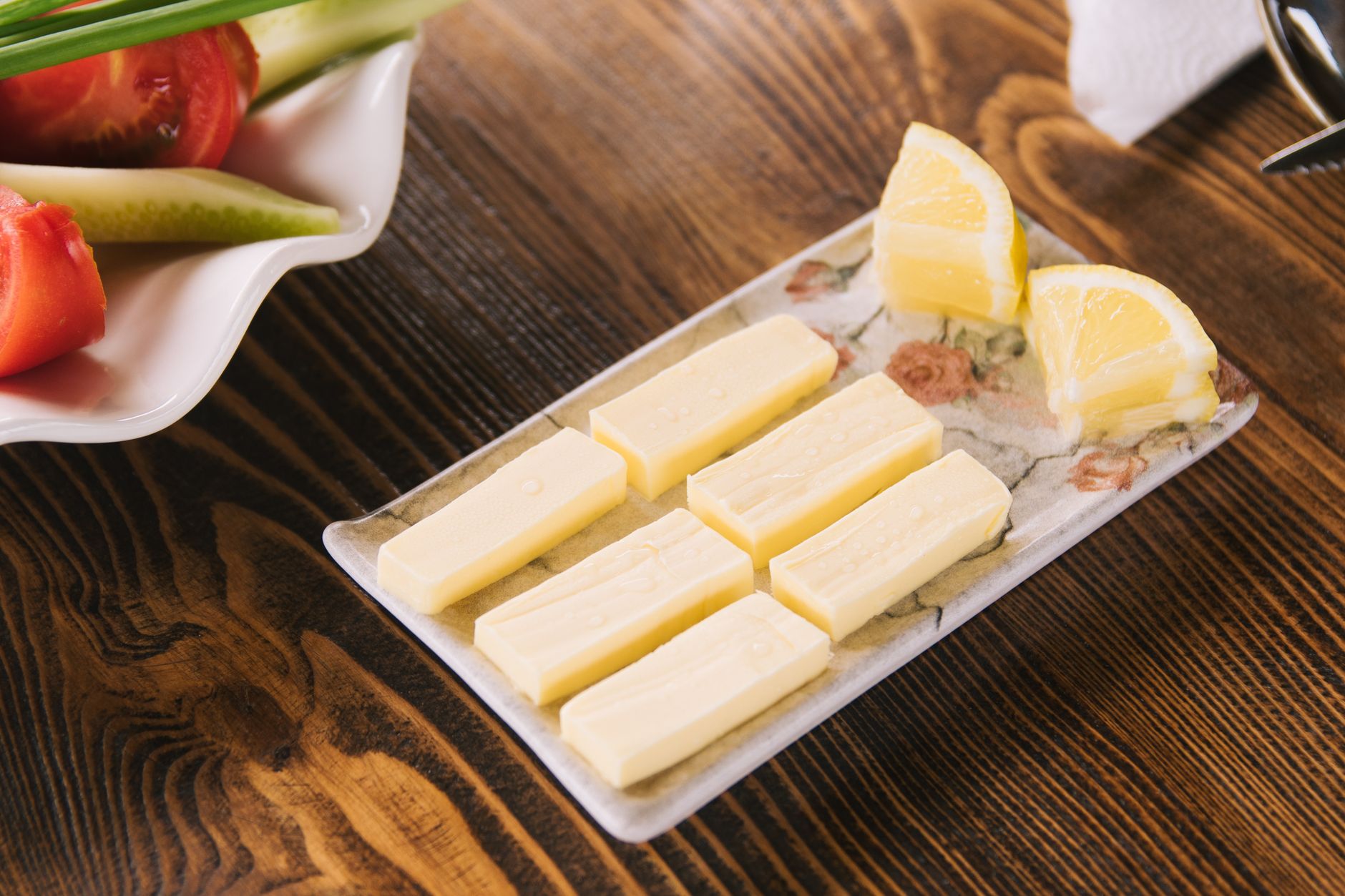
Understanding ingredient measurements is crucial for successful cooking and baking. Butter is a common ingredient in many recipes, making it essential to know how it’s measured. One frequent question among home cooks is, “How many ounces is two sticks of butter?” Knowing this measurement not only helps in accurately following recipes but also assists in making substitutions if needed.
This article will explore the conversion of butter sticks to ounces, discuss the importance of precise measurements, and provide helpful tips for using and storing butter in your kitchen and baking endeavors. Whether you’re baking cookies, making sauces, or preparing a delicious cake, accurate measurements can make a significant difference in the final product.
How Many Ounces Is Two Sticks of Butter?
Two sticks of butter equal 8 ounces. In the United States, a standard stick of butter weighs 4 ounces, so multiplying by two gives you the total weight. Accurate measurement is crucial, particularly in baking, as it greatly affects the texture and flavor of the end product.
Understanding Butter Measurements
Butter is typically sold in pre-measured sticks or blocks in most grocery stores. In the U.S., sticks of butter come wrapped in paper and usually have measurements printed on the wrapper to help you quickly gauge how much you need for your cooking or baking tasks. Let’s break down the details:
- One stick of butter = 4 ounces
- Two sticks of butter = 8 ounces
- One cup of butter = 2 sticks or 8 ounces
Knowing these conversions can simplify cooking, especially when recipes call for specific measurements or when you need to double or halve a recipe.
The Importance of Accurate Measurements
When it comes to cooking and baking, precision is vital. Using the correct amounts of ingredients ensures that your dishes turn out as intended. Butter contributes not just flavor, but also moisture, richness, and texture in baked goods. Here’s why knowing your butter conversions matters:
- Texture: The right amount of butter affects the fluffiness and crumb structure of cakes and cookies. Too much can lead to greasy results, while too little may yield a dry texture.
- Flavor: Butter enhances the flavor of both sweet and savory dishes. An accurate amount ensures the dish tastes as it should.
- Volume: Many recipes use volume instead of weight measurements, and knowing the weight of butter sticks helps translate those measurements with ease.
If you’re adapting a recipe or creating your own, understanding the roles different ingredients play will help you achieve the desired results.
How to Measure Butter Accurately
Measuring butter accurately can be a straightforward process, but it does require attention to detail. Here are some practical steps to measure butter:
- Use the Wrapper: Most sticks of butter come with measurements indicated on the packaging. Each stick is typically marked with tablespoon and ounce equivalents.
- Use a Kitchen Scale: For the most accurate measurements, especially in baking, use a kitchen scale. Tare the scale to zero with a bowl on it, then add the butter until the scale reads the desired weight.
- Cut as Needed: If you need an amount other than a whole stick, cut the butter carefully using a sharp knife, following the measurements indicated on the wrapper.
Storing Butter
Proper storage of butter is essential to maintain its flavor and freshness. Here are some guidelines:
- Refrigeration: Keep butter wrapped in its original packaging or in an airtight container in the refrigerator. It generally lasts 1 to 3 months when refrigerated.
- Freezing: Butter can be frozen for longer storage. Wrap it tightly in plastic wrap and place it in a freezer-safe bag. Frozen butter can last up to a year.
- Room Temperature: If you prefer softened butter for easier spreading, you can leave a stick out at room temperature in a butter dish. Just be sure it’s used within a week or two to avoid spoilage.
Substitutions for Butter
In some cases, you might need to substitute butter with other ingredients. Here are a few options:
- Margarine: This is the closest substitute. Use an equal amount, meaning 2 sticks of margarine for 2 sticks of butter.
- Shortening: When baking, solid shortening can also replace butter. Use the same amount.
- Oil: In certain recipes, such as brownies or cakes, oil can be an alternative. Use about 3/4 of the amount—so for 2 sticks of butter (8 ounces), you would use 6 ounces of oil.
- Applesauce or Nut Butters: For a healthier alternative in baking, unsweetened applesauce or nut butter can be used, although this will alter the flavor and texture. Start with half the amount.
Remember that substitutions may affect the final flavor and texture, so be sure to test small batches when experimenting with alternatives.
Common Mistakes When Using Butter
Even seasoned cooks can make mistakes with butter. Here are some common pitfalls:
- Not Soften Correctly: If a recipe requires softened butter, make sure it’s at room temperature. Usable butter is pliable but not melted.
- Using Cold Butter: Cold butter is unsuitable for creaming with sugar, which is a critical step in many baking recipes.
- Over-Heating Butter: When melting butter, avoid overheating. It can separate and cause undesirable flavors in your dish.
- Mis-measuring: Double-check your measurements. Adding too much or too little can change everything.
How to Use Butter in Common Recipes
Butter is a versatile ingredient in many recipes. Here are a few examples of how to use it effectively:
Baking
When baking, butter contributes to the texture and taste of baked goods:
- Cakes: Creaming softened butter with sugar before adding other ingredients creates air pockets that add lift and lightness to the cake.
- Cookies: Using melted butter will yield chewier cookies, while room-temperature butter will create fluffier cookies.
- Croissants and Pastries: Chilled butter is essential to create flaky layers in pastry dough.
Cooking
In cooking, butter can be used to sauté, add flavor, and enrich sauces:
- Sauteing: Use butter for sautéing vegetables, as it adds flavor and color while providing a golden finish.
- Making Sauces: Butter is often used to finish sauces like a beurre blanc, adding richness and sheen.
- Flavoring Grains: Stirring in butter at the end of cooking grains or pasta enhances flavor significantly.
Tips for Perfectly Cooked Butter Dishes
Follow these tips to elevate your dishes:
- Keep butter at room temperature for recipes requiring mixing.
- Use unsalted butter for baking to control the salt content in your recipes.
- Brown the butter in sauces for a nutty flavor that enhances dishes.
Using Butter in Different Regional Cuisines
Different cultures use butter in various ways:
- French Cuisine: Butter is foundational in sauces like hollandaise and in pastries, contributing to their rich textures.
- Indian Cuisine: Ghee, or clarified butter, is prevalent in Indian cooking for its high smoke point and rich flavor.
- Italian Cuisine: In Italian cooking, butter is often used in risottos and sauces to enhance flavors.
Conclusion
Knowing how many ounces are in two sticks of butter is essential for both novice and seasoned cooks. Accurate measurements lead to successful baking and cooking, allowing you to create delicious dishes. Keep your butter measured, stored correctly, and ready for use for the best results in your culinary adventures.
Explore more recipes or cooking tips that can help you in your kitchen journey. For a delightful dessert, try a caramel icing recipe or a sour cream pound cake to complement your meals!