
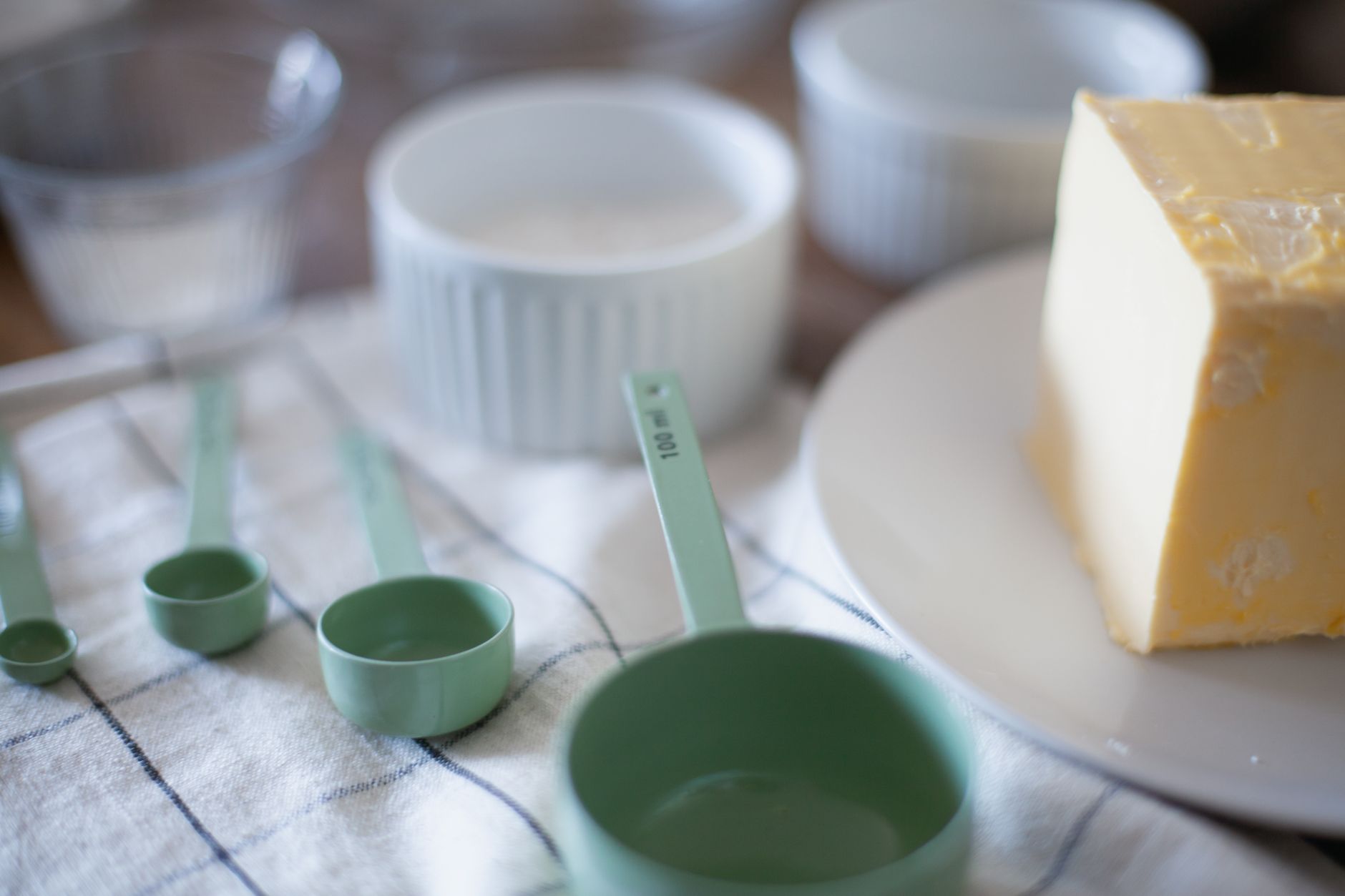
When cooking or baking, accurate measurements are essential for achieving the desired outcome. One common ingredient that often raises questions is butter. Understanding its measurement can greatly affect your recipes, especially in baking, where precision is key. This guide will delve into the specifics of converting cups of butter to ounces, offer practical applications, and provide insights into how butter functions in various recipes.
Whether you are a novice cook, a seasoned baker, or simply looking to brush up on your kitchen skills, knowing how many ounces are in a cup of butter is fundamental. This information can help simplify meal preparation and ensure consistency in your culinary creations.
How Many Ounces Is One Cup of Butter?
One cup of butter equals 8 ounces. This conversion is crucial in recipes that call for butter as one of the primary ingredients, impacting both texture and flavor. Knowing this conversion helps you when measuring butter for baking cakes, cookies, or preparing savory dishes.
Understanding Butter: Types and Uses
Before diving deeper into measurements and conversions, it is essential to understand the different types of butter available and their culinary uses. Butter is primarily made from the fatty parts of milk and comes in various forms.
- Salted Butter: This butter contains added salt, which enhances flavor. It’s commonly used for spreading, cooking, and baking.
- Unsalted Butter: This type has no added salt, making it the preferred choice for baking. It allows for more accurate control over the salt content in recipes.
- Clarified Butter: This is butter from which water and milk solids have been removed, resulting in a pure fat. It has a higher smoke point, making it suitable for frying and sautéing.
- European-Style Butter: Often contains a higher fat content than regular butter, lending a richer flavor to baked goods.
Why Accurate Butter Measurement Matters in Cooking
Accurate measurement of butter can significantly impact the flavor, texture, and moisture content of baked goods. Here are a few reasons why precision is crucial:
- Flavor: The type and amount of butter used can affect the final taste of a dish. For instance, unsalted butter provides greater control over the seasoning in baked treats.
- Texture: Recipes often require a specific fat-to-flour ratio. Substituting the correct amount of butter affects the final consistency, such as creating flaky pastries or moist cakes.
- Moisture: Butter contributes to moisture in baked goods; using too much or too little can lead to dry or overly greasy results.
How to Properly Measure Butter
Measuring butter accurately is crucial for baking success. Here are several methods to measure butter effectively:
Method 1: Using Sticks of Butter
In the U.S., most butter comes in sticks with measurement markings on the package. Each stick typically contains 1/2 cup (4 ounces). To measure one cup, use two sticks, or cut one stick in half and combine it with another stick of butter.
Method 2: Using a Liquid Measuring Cup
If you have butter in a block or can’t use sticks, you can measure it out using a liquid measuring cup. Here’s how:
- Soften the butter slightly if it’s cold, making it easier to press into a measuring cup.
- Using a spatula, press the butter into the measuring cup until it’s level with the top.
- Check for evenness using the edge of a knife to scrape across the top of the measuring cup.
Method 3: Weighing Butter for Precision
For the most precise measurement, weigh your butter using a kitchen scale. Since one cup of butter weighs 8 ounces, simply place your bowl on the scale, zero it out, and add butter until you reach the desired weight.
Practical Applications: Common Butter Measurements in Recipes
Here are various scenarios where knowing measurements of butter is essential:
Baking Cookies
Cookies typically require butter for richness and moisture. For instance, a cookie recipe may call for 1 cup (8 ounces) of softened unsalted butter. Understanding this measurement can help ensure your cookies have the right balance of chewiness and richness.
Baking Cakes
In cake recipes, the accurate amount of butter can influence the cake’s texture and flavor. A standard butter cake recipe often uses 1 cup (8 ounces) of butter, ensuring a light and fluffy result.
Cooking Sauces
When making sauces, butter can serve different purposes. For a creamy sauce, recipes might vary from 1/4 cup (2 ounces) for lighter sauces to 1 cup (8 ounces) for richer ones. Knowing the conversion ensures the sauce has the desired consistency.
Substitutions for Butter in Recipes
There are times when you may not have butter on hand or may need to accommodate dietary restrictions. Here are several common substitutes for butter, along with notes on their suitability for recipes:
- Margarine: A common substitute, you can use margarine in a 1:1 ratio for butter. However, it may alter the flavor slightly.
- Coconut Oil: Works well as a dairy-free substitute, use it in the same amount as butter. Note that this will impart a subtle coconut flavor.
- Applesauce: Particularly useful for baking, replace 1 cup of butter with 1/2 cup of applesauce, but expect a slightly denser product.
- Vegetable Oil: Can be used in baking with a bit of a difference; use 1/4 cup less than the amount of butter called for.
Common Mistakes When Using Butter and How to Avoid Them
Even seasoned cooks can make errors when it comes to using butter. Here are common pitfalls and tips to steer clear of them:
- Not Softening Butter: When a recipe calls for softened butter, using it straight from the refrigerator can lead to poor mixing and dense textures.
- Incorrect Measurements: Overpacking a measuring cup or incorrectly counting sticks can throw off the balance of a recipe. Use precise measurements to avoid this.
- Confusing Unsalted and Salted Butter: Using salted butter in a recipe that specifies unsalted can lead to overly salty results. Always double-check which type is required.
Storing Butter Correctly
Understanding how to store butter properly can extend its lifespan and maintain its quality:
- Room Temperature: Butter can be kept out for up to a week in a sealed container to keep it soft for spreading.
- Refrigerator: For longer storage, keep butter in the refrigerator, where it can last several months.
- Freezer: Butter can be frozen for up to a year. Wrap it tightly in foil or plastic wrap for best results.
Conclusion
Understanding butter’s measurements and its role in cooking and baking is a foundational skill for any home chef. Knowing that one cup of butter equals 8 ounces will come in handy for countless recipes, enhancing the quality of your culinary creations. Remember to measure accurately, choose the right type of butter, and store it correctly for the best results in your kitchen.
Explore related recipes, cooking tips, or food guides, such as our clarified butter recipe and butter swim biscuits recipe for more delicious culinary insights!