
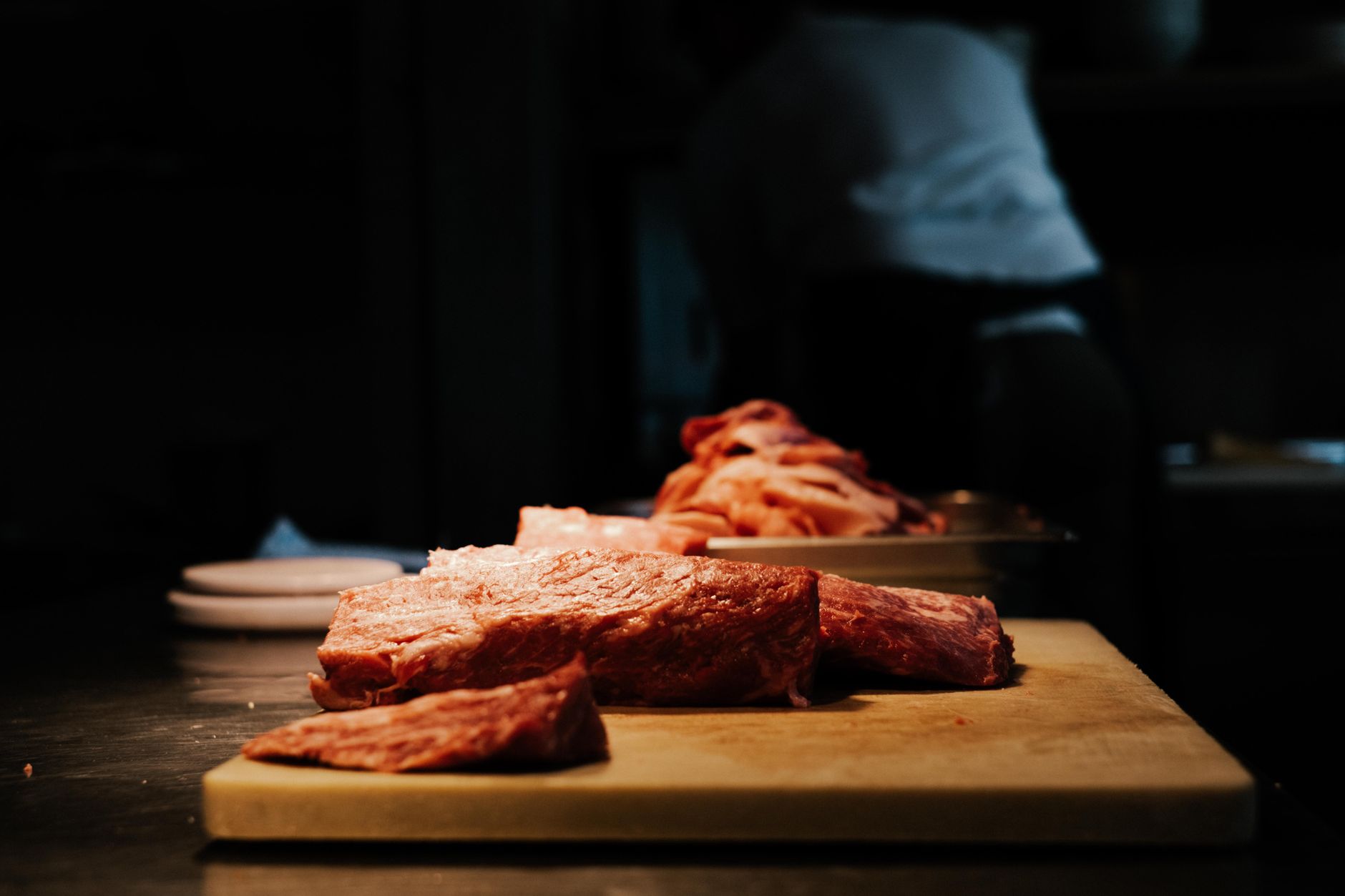
Understanding the relationship between pounds and ounces is vital in the kitchen, especially when it comes to measuring meat. Whether you’re following a recipe or planning meals, knowing how many ounces are in a pound allows for precision and accuracy in cooking. This knowledge can help you budget effectively and ensure proper portion sizes for your meals.
The standard conversion is simple: there are 16 ounces in a pound. This means that if a recipe calls for a certain poundage of meat, you can easily convert it to ounces to meet your needs.
How Many Ounces in a Pound of Meat?
In practical terms, when measuring meat, you will find that one pound (lb) equals 16 ounces (oz). This is consistent across various types of meat, whether it’s beef, pork, chicken, or lamb.
Why Knowing This Conversion is Essential
Having a strong grasp of this conversion can enhance your cooking experience in numerous ways:
- Recipe Accuracy: Many recipes list ingredients in pounds, especially when it comes to meat. Knowing the ounce equivalent allows you to measure accurately, ensuring your dish turns out as intended.
- Meal Planning: If you’re planning meals for a particular number of servings, understanding the conversion helps you determine how much meat you’ll need.
- Cost Efficiency: Purchasing meat by the pound can be more economical. Knowing how many ounces are in a pound can help in budgeting and evaluating bulk meat options.
Measuring Meat: Tips and Techniques
Measuring meat accurately can sometimes be tricky, especially when dealing with different cuts or types. Here are some tips for measuring meat effectively:
- Use a Kitchen Scale: A digital kitchen scale is the most accurate way to measure meat. It’s especially useful for smaller portions.
- Use Measuring Cups for Ground Meat: For ground meats, you can use measuring cups if you don’t have a scale. One pound of ground meat typically fills around 2 cups, depending on the texture.
- Know the Density: Different meats have different densities, which can affect volume measurements. For example, a pound of shredded chicken will take up more volume than a pound of ground beef.
How to Convert Ounces to Pounds
It’s also helpful to know how to convert ounces back to pounds:
- To convert ounces to pounds, divide the number of ounces by 16.
- For example, to find out how many pounds are in 32 ounces, you would calculate: 32 oz ÷ 16 = 2 lb.
Common Cuts of Meat and Their Typical Weights
Understanding the typical weights of different cuts of meat can aid you in meal planning:
| Type of Meat | Typical Weight per Package (lbs) | Ounces per Package |
|---|---|---|
| Ground Beef | 1 lb | 16 oz |
| Chicken Breasts | 1.5 lb | 24 oz |
| Pork Chops | 1 lb | 16 oz |
| Steak (Ribeye) | 1.25 lb | 20 oz |
| Lamb Chops | 1 lb | 16 oz |
Practical Applications in Recipes
Below are some applications to illustrate how knowing the conversions works in different recipes:
Beef Burgers
If you’re planning to make 4 beef burgers and the recipe calls for 1 lb of ground beef, that would be 16 oz. Each burger would then contain 4 oz of meat, allowing you to gauge portion sizes effectively.
Chicken Stir-Fry
For a recipe requiring 2 lbs of chicken, knowing that translates to 32 oz is crucial. If you need to adjust the recipe for 3 servings instead of 4, calculate how much chicken you actually need: taking a 32 oz total and dividing it by 4 for each serving gives you 8 oz per serving.
Meat Substitutions and Considerations
Sometimes you won’t have the exact type of meat listed in a recipe, or you might need to substitute for dietary reasons. Here are some common substitutions:
- Ground Turkey for Ground Beef: Use the same weight; if the recipe calls for 1 lb of ground beef, substitute with 1 lb of ground turkey instead.
- Tofu for Chicken: For every 1 lb of chicken, you can use approximately 16 oz of firm tofu. Note the cooking time may vary.
- Portobello Mushrooms for Steak: If a recipe calls for steak, you could use a pound of grilled Portobello mushrooms as a vegetarian option. However, the texture and flavor will differ significantly, so season well.
Common Mistakes When Measuring Meat
When it comes to measuring meat, several common mistakes can lead to inaccurate measurements:
- Not Using a Scale: Relying solely on volume measurements can lead to incorrect portion sizes and affect your recipe outcome.
- Ignoring Trimmings: When you buy meat with bones, trimmings, or fat, the net weight can be less than what you expect if these are not considered.
- Confusing Ounces with Fluid Ounces: Remember that an ounce (oz) in weight is different from a fluid ounce (fl oz). Always ensure you’re measuring meat by weight.
Storing Meat: Best Practices
Understanding proper meat storage is crucial for both food safety and maintaining quality:
- Refrigeration: Store raw meat in the refrigerator for no longer than 1-2 days. Always buy meat close to its sell-by date for freshness.
- Freezing: If you don’t plan to cook meat within a couple of days, freeze it. When properly wrapped, meat can be stored in the freezer for several months.
- Storage Containers: Use airtight containers or freezer bags to prevent freezer burn and maintain flavor.
Cooking Techniques for Meat
How you cook meat can significantly affect texture and flavor. Different methods require understanding the type of meat and its characteristics:
Grilling
Grilling is great for cuts like steak or chicken breasts. Aim for a suitable temperature to achieve a nice exterior char while keeping the inside juicy. A food thermometer is essential for ensuring that poultry reaches 165°F and beef is cooked to your desired doneness.
Slow Cooking
This method works exceptionally well for tougher cuts of meat, where longer cooking times can break down collagen and make the meat tender. For example, a 3 lb pork shoulder can take 8 hours on low in a slow cooker.
Searing
Common for steak, searing is the process of cooking meat at a high temperature to form a crust. This method locks in flavor but requires attention to avoid burning. Aim for about 4-5 minutes per side, depending on the thickness.
Conclusion
Knowing how many ounces are in a pound of meat is vital for accurate cooking and meal planning. Whether you’re measuring out a pound of chicken for a stir-fry or ground beef for burgers, the ratio remains consistent at 1 pound equals 16 ounces. By utilizing this knowledge, you can enhance both your cooking experience and the final results of your meals.
For more tips on meat storage, check out our article on how long is cooked ground beef good in the fridge or learn about how long is ground beef good for in the fridge for optimal freshness.