
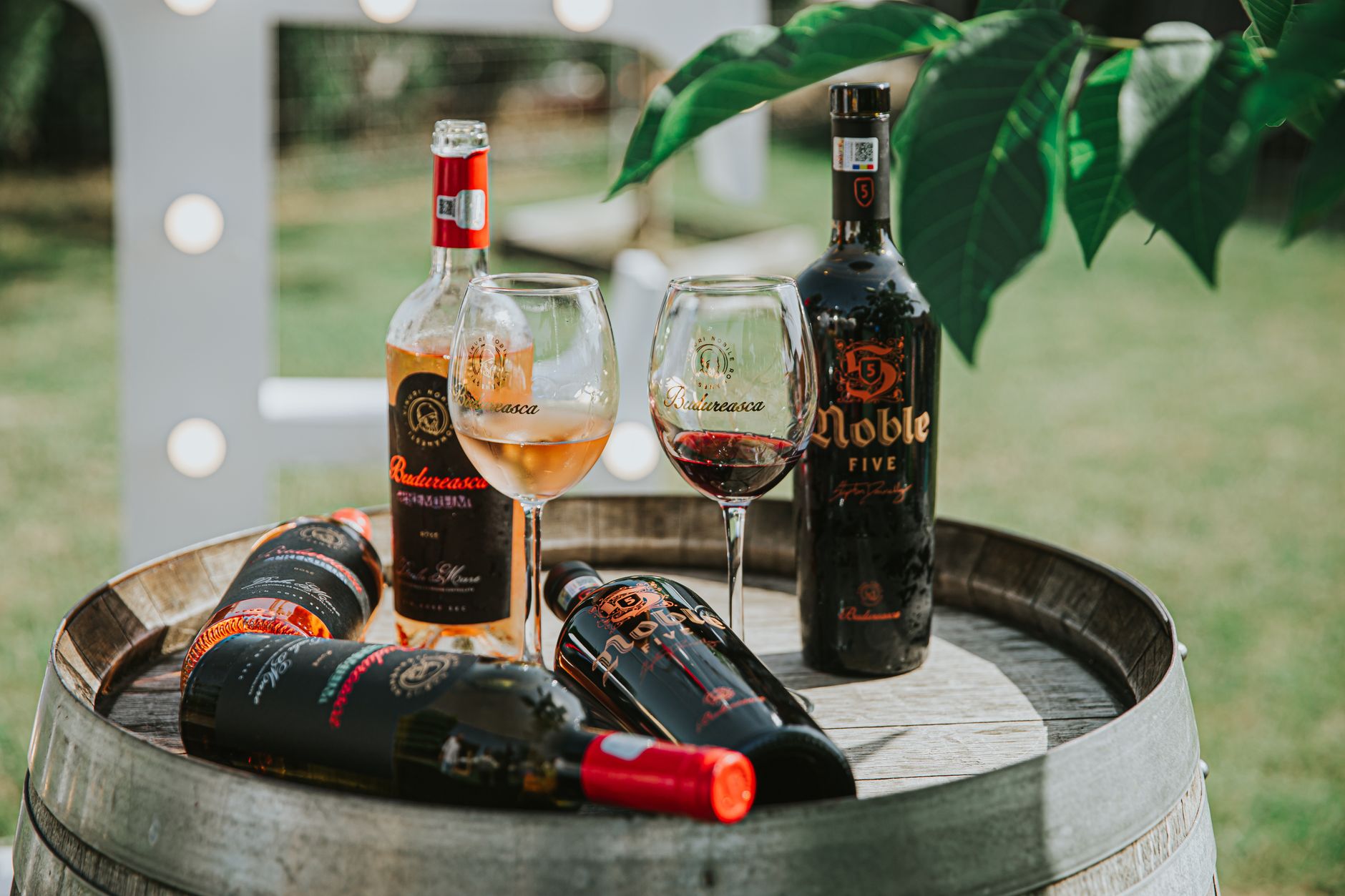
When it comes to enjoying wine, understanding the measurements involved can make a significant difference in hosting, cooking, or pouring for yourself. A standard bottle of wine holds 750ml, which is a common question among both wine enthusiasts and casual drinkers alike: how many ounces are in a bottle of wine that is 750ml?
The straightforward answer is that a bottle of wine that measures 750ml contains approximately 25.4 ounces. This knowledge is crucial for various occasions, from pairings with meals to calculating servings for guests. Read on to explore more about wine measurements and their practical applications.
How Many Ounces in a Bottle of Wine 750ml?
A bottle of wine containing 750ml has about 25.4 ounces. This is standard across most wine bottles and is an essential knowledge point for anyone purchasing, serving, or cooking with wine.
To put this into perspective, this measurement allows for roughly five 5-ounce servings of wine, which is a typical serving size in restaurants and at home. Understanding these conversions is important for both budgeting and ensuring that you have enough wine for your gathering.
Why Are Wine Measurements Important?
Measurements play a crucial role when it comes to serving wine appropriately, especially when hosting parties, cooking, or pairing it with certain dishes. Here are some reasons why being informed about wine measurements matters:
- Portion Control: Knowing how many ounces are in a bottle helps in managing servings accurately, ensuring that everyone gets a fair amount without excess waste.
- Cooking with Wine: Understanding measurements is essential when following recipes that call for specific volumes of wine to enhance flavors.
- Food Pairing: Knowing the right amount of wine to serve alongside meals ensures your dining experience is balanced and satisfying.
- Cost Management: Accurately measuring wine can help in budgeting and reducing overspending on beverages during events.
Converting Between Milliliters and Ounces
To further help you with conversions, knowing how to convert milliliters to ounces is beneficial, especially if you’re dealing with recipes or specific serving sizes:
1 ounce is equivalent to approximately 29.57ml. Therefore, to convert from milliliters to ounces, the formula is:
- Ounces = Milliliters ÷ 29.57
Using the above formula:
- For a 750ml bottle: 750 ÷ 29.57 = 25.4 ounces
How Many Servings Are in a Bottle of Wine?
With the knowledge that a 750ml bottle contains roughly 25.4 ounces, let’s break down how many servings you can expect:
- Each standard serving of wine is about 5 ounces.
- To determine the number of servings: 25.4 ounces ÷ 5 ounces per serving = approximately 5 servings.
Being aware of this can help you plan better for gatherings or meals where wine will be served, ensuring that you purchase enough to satisfy your guests or family without overdoing it.
Cooking with Wine
Wine can elevate a dish, adding richness and depth. When using wine in cooking, precise measurements are necessary to get the best result. Here’s how you can incorporate wine into your culinary endeavors effectively:
Choosing the Right Wine
The type of wine can significantly change the flavor profile of a dish. Here’s a brief overview:
- Red Wine: Usually used for robust dishes like red sauces or stews.
- White Wine: Often paired with seafood, chicken, and herbs.
- Sparkling Wine: Can be used in light salads or desserts for a tangy flavor.
Common Cooking Measurements
When incorporating wine into recipes, be mindful of these common conversions:
- 1 cup of wine = 8 ounces
- 1/2 cup of wine = 4 ounces
- 1/4 cup of wine = 2 ounces
This should help you adjust recipes that may call for wine, ensuring you use the correct amounts for optimal taste and experience.
Common Mistakes When Using Wine
Even experienced cooks can make errors while cooking with wine. Here are some common pitfalls to avoid:
- Using the Wrong Type of Wine: Selecting a wine that doesn’t complement the dish will yield awkward flavors.
- Not Reducing the Wine: In many recipes, allowing wine to reduce is necessary to concentrate flavors before adding other ingredients.
- Overusing Wine: Too much wine can overpower other flavors in a dish, leading to unbalanced meals.
- Serving Poor Quality Wine: If you wouldn’t drink it, don’t cook with it! The quality of wine impacts your cooking outcome.
Pairing Wine with Food
Pairing the right wine with food is an art and science that can enhance any meal. Here are some classic pairing guidelines:
Red Wine Pairings
- Cabernet Sauvignon: Pairs well with grilled meats and hearty dishes.
- Pinot Noir: Matches with duck, mushrooms, and light sauces.
- Merlot: Agrees with lamb and tomato-based dishes.
White Wine Pairings
- Sauvignon Blanc: Complements salads, goat cheese, and seafood.
- Chardonnay: Works with creamy dishes, chicken, and lobster.
- Riesling: Great with spicy dishes and Asian cuisine.
Getting Creative with Pairings
Don’t be afraid to experiment with different wines and foods to find combinations that please your palate. Creativity can often lead to delightful discoveries.
Serving Wine Correctly
Your service technique can impact the overall experience when it comes to enjoying a bottle of wine. Here are some serving tips:
- Temperature: Serve red wines at slightly above room temperature and white wines chilled.
- Glassware: Use appropriate wine glasses. Red wine glasses are typically larger, while white wine glasses are more narrow.
- Decanting: Certain wines, particularly reds, benefit from decanting before serving to aerate and enhance flavors.
Storage of Wine
Storing wine correctly prolongs its life and preserves its flavor. Here are key points for wine storage:
- Temperature: Aim for a consistent temperature between 45-65°F, depending on the type of wine.
- Position: Store bottles horizontally to keep the cork moist and prevent air from entering.
- Light: Shield wine from direct sunlight to protect its quality.
- Humidity: Maintain humidity levels around 60-70% to avoid cork drying out.
Following these guidelines will help keep your wine fresh for an extended period.
Wine Varietals and Their Uses
Understanding the various types of wine and their characteristics can further enhance your culinary experiences:
| Type of Wine | Flavor Profile | Culinary Uses |
|---|---|---|
| Cabernet Sauvignon | Bold, tannic, often fruity | Stews, steaks, and BBQ dishes |
| Chardonnay | Buttery, rich, and oaky | Chicken, creamy pastas, and seafood |
| Pinot Grigio | Crisp, light, and refreshing | Light salads and seafood |
Conclusion
Understanding the measurements of wine, such as how many ounces are in a bottle of wine (750ml), is vital for anyone looking to enjoy wine responsibly and effectively. Whether you are hosting an event, cooking with wine, or simply indulging in a glass at dinner, knowing the quantities will help you navigate the wine experience seamlessly. Enjoy experimenting and discovering the world of wine!
To continue exploring, consider diving into our related resources about cooking with wine, wine pairings for meals, or time-saving meal prep techniques to enhance your culinary skills.