
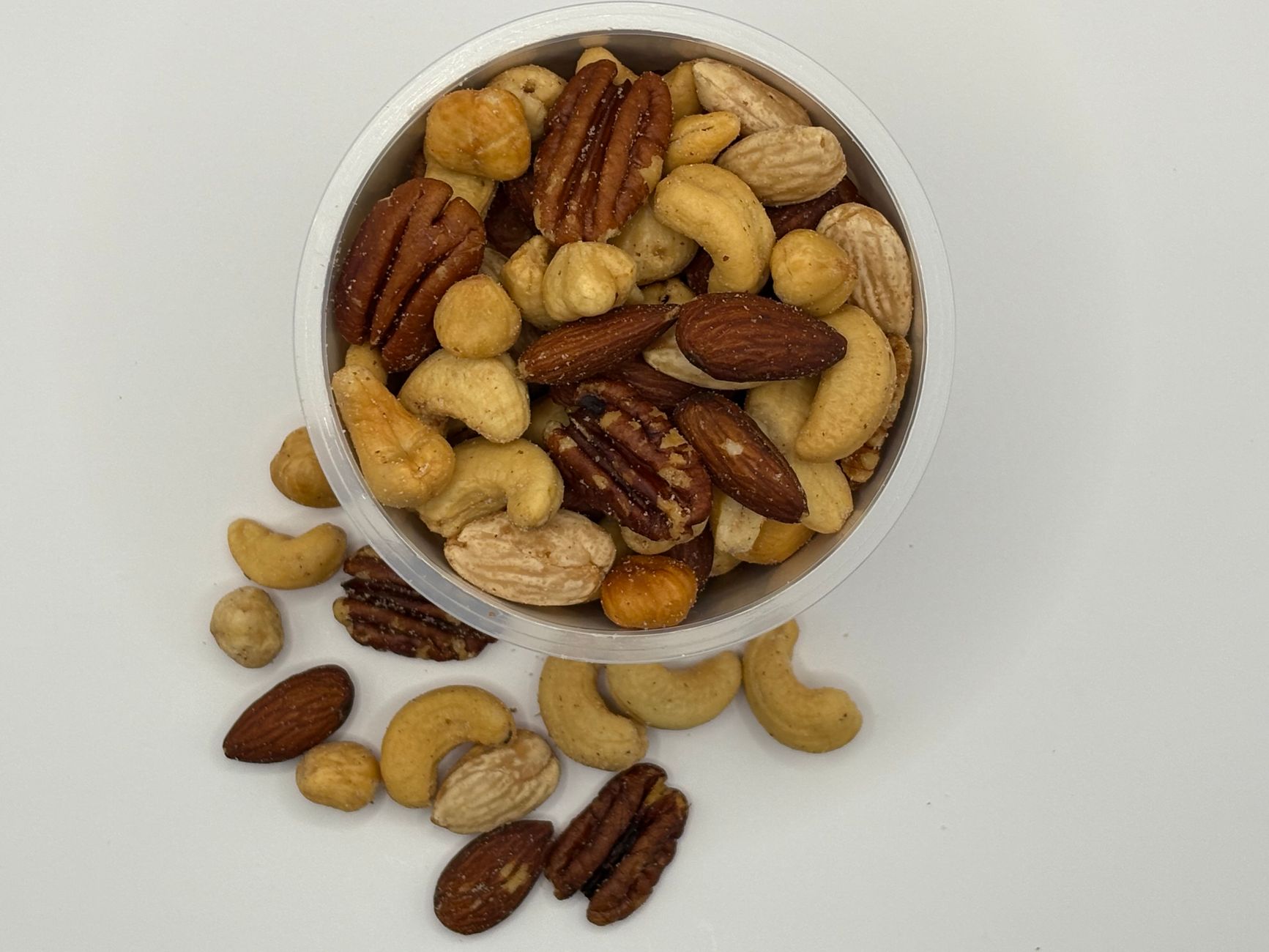
Nuts are crunchy, nutritious morsels packed with flavor and healthy fats. They are an excellent addition to a well-balanced diet, offering a range of health benefits from heart health to weight management. But how many nuts should one consume in a day to reap these benefits without overindulging?
This article explores the ideal daily nut consumption, covering nutrition, portion sizes, and creative meal ideas to incorporate nuts into your diet seamlessly.
How Many Nuts Per Day?
The recommended daily serving of nuts is typically about 1 ounce, or approximately a small handful (about 28 grams). This serving size can vary depending on individual dietary needs, activity levels, and overall health goals.
The Nutritional Benefits of Nuts
Nuts are often called a superfood due to their high nutritional value. Here are some key points regarding their benefits:
- Healthy Fats: Nuts are rich in monounsaturated and polyunsaturated fats, which help reduce bad cholesterol levels and support heart health.
- Protein: They provide a good source of plant-based protein, which is essential for muscle repair and general health.
- Vitamins and Minerals: Nuts contain essential vitamins such as vitamin E, B vitamins, magnesium, potassium, and zinc, all of which play a pivotal role in various bodily functions.
- Antioxidants: Many nuts, especially walnuts and pecans, are high in antioxidants that help combat oxidative stress in the body.
- Fiber: Nuts are a great source of dietary fiber, aiding digestion and promoting feelings of fullness.
Portion Sizes and Counting Nuts
Balancing portion sizes is essential when incorporating nuts into your diet. Because of their calorie density, consuming too many can lead to excess calorie intake. Below are general portion sizes for some popular types of nuts:
| Nut Type | Approximate Serving Size | Calories per Serving |
|---|---|---|
| Almonds | 23 nuts (1 oz) | 164 |
| Walnuts | 14 halves (1 oz) | 185 |
| Pecans | 19 halves (1 oz) | 196 |
| Pistachios | 49 nuts (1 oz) | 159 |
| Cashews | 18 nuts (1 oz) | 157 |
Determining Your Daily Needs
Your personal requirements for nut consumption may vary depending on several factors:
- Activity Level: Active individuals may require more energy, thus can include larger portions of nuts.
- Weight Goals: If you’re trying to lose weight, it’s critical to control portions due to the high calorie content of nuts.
- Dietary Preferences: For vegans and vegetarians, nuts can be a vital source of protein, leading to increased consumption.
- Health Conditions: People with certain health conditions, like high cholesterol or nut allergies, should consult with healthcare professionals regarding nut intake.
Creative Ways to Incorporate Nuts into Your Diet
Nuts can enhance both flavor and nutrition in a variety of meals. Here are some ideas:
Breakfast Ideas
Kickstart your day with nut-infused breakfast options:
- Nuts in Oatmeal: Add a handful of chopped almonds or walnuts to your morning oats for added texture and nutrients.
- Smoothies: Blend nut butter into smoothies for a creamy consistency and nutty flavor. Try almond or peanut butter with banana and milk.
- Nutty Chia Pudding: Mix chia seeds with your choice of milk and top with nuts after chilling overnight.
Lunch Incorporations
Perfect for lunch, nuts add crunch and character to salads and sandwiches:
- Salads: Toss in a handful of roasted nuts, such as pecans or cashews, to fresh salads for an extra crunch.
- Nut Hummus: Make a delicious hummus using cashews or almonds, which can serve as a spread for sandwiches or a dip for vegetables.
- Trail Mix: Create a homemade trail mix featuring nuts, dried fruits, and seeds for a healthy, filling lunch option.
Dinner Party Solutions
Add pizzazz to your evening meal with nuts:
- Crusted Seafood or Chicken: Use crushed nuts, like pistachios or almonds, as a flavorful coating for baked or pan-fried chicken or fish.
- Stir-Fries: Top stir-fried vegetables with peanuts or cashews to enhance the dish’s flavor and crunch.
- Vegetable Roasts: Sprinkle chopped walnuts over roasted vegetables or pasta dishes for added taste and nutrients.
Snack Smartly
Nuts also make great snack options, whether on their own or in combination with other foods:
- Nuts and Fruits: Pair nuts with fresh fruits like apples or pears for a balanced snack.
- Nut-Based Energy Balls: Combine oats, nut butter, and honey to create no-bake energy bites as healthy snacks.
- Nut Butters: Spread nut butters on whole-grain toast or rice cakes for a quick and satisfying snack.
Possible Allergies and Sensitivities
While nuts are beneficial for many, some individuals may be allergic or sensitive to them.
- Types of Allergies: Common nut allergies include peanuts, tree nuts like almonds and walnuts, and can lead to severe reactions. It is crucial to seek medical advice if allergies are suspected.
- Cross-Contamination: Be cautious of cross-contamination with nuts, especially in packaged foods. Always read labels carefully.
Storage and Shelf Life of Nuts
Keep nuts fresh and flavorful by storing them correctly:
- Cool and Dry: Store nuts in a cool, dry place, ideally in an airtight container, to prevent oxidation and rancidity.
- Refrigeration: For extended shelf life, consider refrigerating or freezing nuts, particularly those with higher oil content, like walnuts.
- Expiration: Nuts can generally last for 6 to 12 months if stored properly, but always check for off smells or flavors that indicate spoilage.
Common Mistakes with Nuts
Here are some common mistakes to avoid when consuming or cooking with nuts:
- Excessive Portion Sizes: It’s easy to overeat nuts due to their small size and high calorie content. Measure out serving sizes to avoid this.
- Ignoring Allergies: Always respect dietary restrictions and allergies, ensuring nuts are safe for all guests.
- Assuming All Nuts Are Equal: Each type of nut has different flavors, textures, and nutritional values. Understanding these can help in choosing the right nut for your dish.
Final Thoughts
Incorporating nuts into your daily diet can provide numerous health benefits and delicious options for every meal. The key is to enjoy them in moderation, aiming for about an ounce per day, while being mindful of allergies and portion control.
Next time you’re planning your meals or looking for a snack, consider these nut-centered ideas to enhance both nutrition and flavor. For instance, you might enjoy making a nutty chia pudding or candying walnuts as a delightful treat.
Explore related recipes, cooking tips, or food guides to enhance your culinary skills and discover new ways to enjoy nutritious foods. Check out our chia pudding recipe or learn how to make candied walnuts to get started on your nutty journey!