
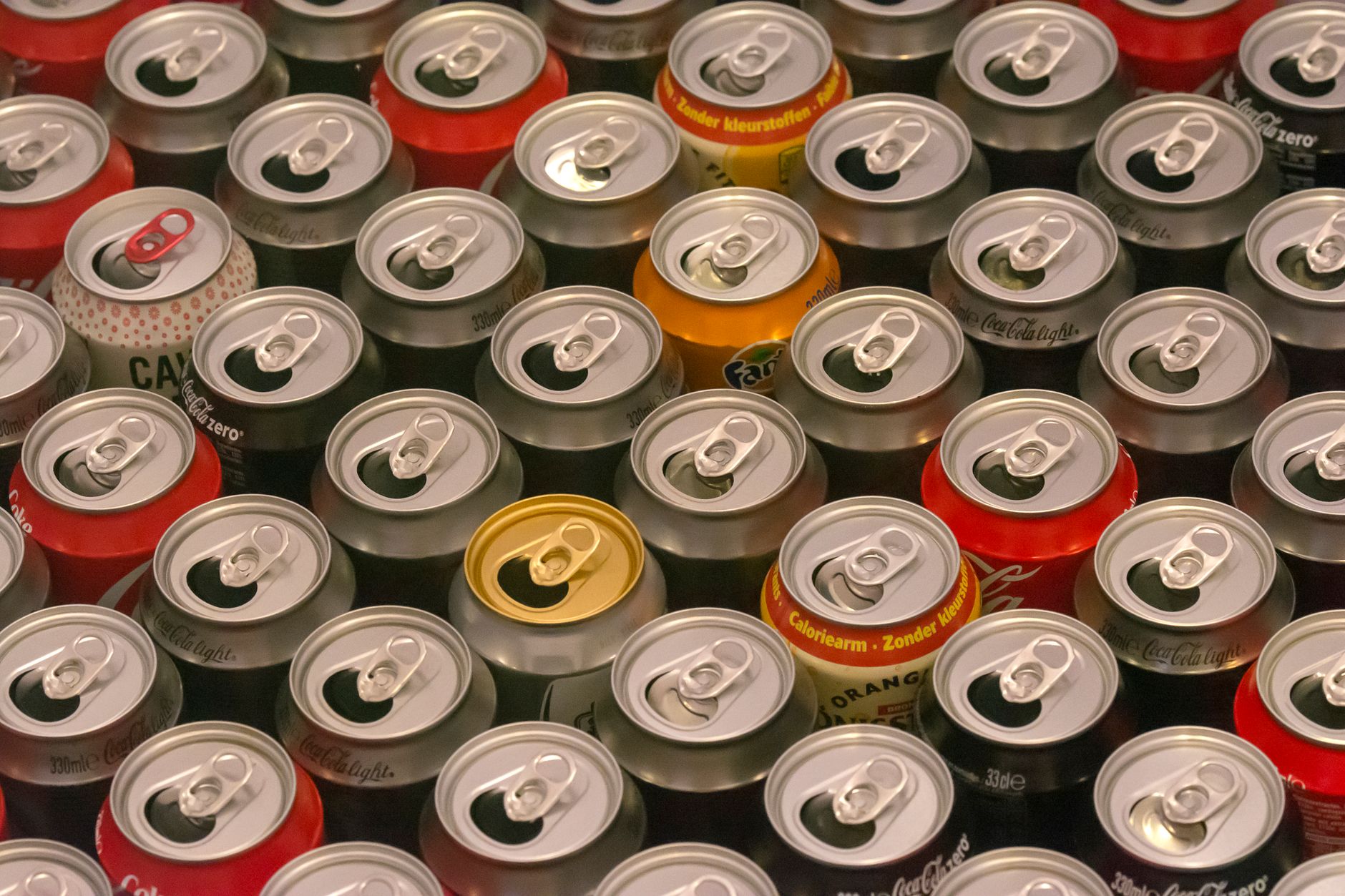
Diet Coke is a popular soft drink option that many choose for its sugar-free formulation. For those curious about its ingredients, particularly aspartame, understanding how much is in this beverage is important for making informed dietary choices.
Aspartame is an artificial sweetener often used in diet sodas as a sugar substitute, and its inclusion raises questions about safety and health. This article will guide you through the amount of aspartame in Diet Coke and provide insights on this and similar ingredients.
How Many Mg of Aspartame in Diet Coke?
Diet Coke contains approximately 180 mg of aspartame per 12 fl oz (355 mL) serving. This amount can vary slightly based on manufacturing processes, but this figure is generally accepted. Understanding this level of sweetener can help you make choices that align with your dietary needs.
What is Aspartame?
Aspartame is a low-calorie sweetener made from two amino acids: phenylalanine and aspartic acid. It is roughly 200 times sweeter than sugar, which allows it to be used in smaller amounts to achieve the desired sweetness in beverages and foods.
Originally discovered in 1965, aspartame is now one of the most widely studied food additives and has been approved for use by regulatory bodies including the U.S. Food and Drug Administration (FDA) and the European Food Safety Authority (EFSA).
Why is Aspartame Used in Diet Coke?
The primary reason aspartame is used in Diet Coke is to provide a sweet flavor without the calories associated with sugar. This makes Diet Coke an appealing choice for those looking to reduce calorie intake, such as individuals on low-calorie diets.
Moreover, aspartame does not raise blood sugar levels, making it a suitable option for people with diabetes who need to monitor their carbohydrate consumption.
Health Considerations of Aspartame
The safety of aspartame has been a topic of debate over the years. However, extensive research and numerous studies have consistently concluded that aspartame is safe for human consumption within established acceptable daily intake (ADI) levels.
The acceptable daily intake set by the FDA is 50 mg per kilogram of body weight. For an average adult weighing 70 kg (about 154 lbs), this means a daily intake limit of about 3,500 mg of aspartame, significantly higher than what is found in a typical serving of Diet Coke.
Common Myths About Aspartame
- Weight Gain: Some people believe that consuming artificial sweeteners can lead to weight gain, but research shows that aspartame in moderation does not contribute to weight gain.
- Headaches: Anecdotal reports suggest a link between aspartame and headaches. However, clinical studies have not consistently supported this claim.
- Cancer Risk: Studies have found no credible evidence to suggest that aspartame is linked to cancer. Major health organizations affirm its safety when consumed within recommended limits.
Other Ingredients in Diet Coke
Besides aspartame, Diet Coke includes various ingredients that affect its flavor, texture, and shelf life. Here’s a breakdown of its typical ingredients:
- Carbonated Water: The base for any soda, providing the refreshing fizz.
- Caramel Color: Gives Diet Coke its dark color.
- Phosphoric Acid: Adds a tart flavor and preserves the beverage.
- Caffeine: A natural stimulant found in various beverages for an energy boost.
- Natural Flavors: Various flavor compounds that enhance the overall taste of the beverage.
Comparing Aspartame with Other Sweeteners
Understanding how aspartame compares to other sweeteners can aid in deciphering your dietary choices. Here are some common alternatives:
1. Sucralose (Splenda)
Sucralose is another artificial sweetener that is about 600 times sweeter than sugar. It is not broken down by the body, so it passes through without providing any calories. Using sucralose in low-calorie diets can also help in managing weight.
2. Saccharin
Saccharin is one of the oldest artificial sweeteners. It is approximately 300 times sweeter than sugar and has been used in various products for over a century. Research has historically linked saccharin with cancer risks, but regulatory agencies now deem it safe.
3. Stevia
Stevia is a natural sweetener derived from the plant Stevia rebaudiana. Unlike aspartame and other artificial sweeteners, stevia has no calories and is regarded as a healthier alternative for those avoiding additives.
Flavor Profile of Diet Coke
The flavor of Diet Coke can be described as crisp and refreshing, with a distinctive cola taste that has a slightly different mouthfeel compared to regular Coke due to the absence of sugar. Aspartame provides a sweetness that some find smoother than sugar, while the other ingredients contribute to its overall balance of flavors.
Caffeine Content in Diet Coke
It’s essential to consider the caffeine content in Diet Coke if you are sensitive to this stimulant. A 12 fl oz can of Diet Coke typically contains about 46 mg of caffeine. While this is lower than regular Coca-Cola, which has about 34 mg per 12 fl oz, it’s still significant for those monitoring their caffeine intake.
Moderation is Key
While Diet Coke and aspartame can be part of a balanced diet, moderation is crucial. Consuming large quantities of artificial sweeteners has not been thoroughly studied, so sticking to recommended intake levels helps ensure a balanced approach. Regularly assessing your overall consumption of artificial sweeteners across different products is advisable.
Variations of Diet Coke
It’s interesting to note that Coca-Cola offers various versions of Diet Coke with different flavor profiles, such as:
- Diet Coke with Lime: Offers a zesty lime flavor.
- Diet Coke with Cherry: Adds a sweet cherry taste to the original recipe.
- Diet Coke with Vanilla: Delivers a creamy vanilla flavor, altering the overall sweetness.
Each of these variants contains a similar amount of aspartame to the traditional formula, making them suitable options for those searching for a different twist on the classic soda.
How to Make Your Own Diet Soda Alternatives
If you’re curious about creating homemade versions of diet beverages, here’s how you can craft your own refreshing drinks without worrying about aspartame or other artificial sweeteners:
1. Sparkling Water with Fresh Fruit
Mix plain sparkling water with fresh fruit slices like lemons, limes, or berries for a naturally flavored alternative. This not only provides a fruity flavor but also allows you to enjoy a refreshing drink without any added sweeteners.
2. Herbal Tea Fizz
Brewing herbal tea and allowing it to cool can create a unique, caffeine-free base. Carbonate it using a soda maker for a fizzy beverage. Add sweeteners like honey or agave to taste if desired.
3. Infused Water
Infuse water with herbs (like mint) or fruits for a refreshing homemade drink. While it won’t have the fizziness of a soda, it will keep you hydrated and provide natural flavors.
Understanding Labels: Reading Aspartame in Diet Drinks
For consumers concerned about aspartame in their diet beverages, it is crucial to read product labels. Most manufacturers are required by law to list artificial sweeteners on their ingredients list, and many also include nutritional information that details sweetener content.
Familiarizing yourself with labels enables informed decisions and helps identify the right products that match your preferences.
Storage and Shelf Life of Diet Coke
Diet Coke, like other canned sodas, does not require refrigeration until opened. It can be stored at room temperature, but storing it in a cool, dark place will help maintain its flavor. Once opened, it should be consumed within a few days for the best taste. The shelf life of unopened Diet Coke is typically about 6 to 9 months, depending on storage conditions.
Conclusion
Diet Coke contains about 180 mg of aspartame per 12 fl oz serving, making it a popular choice for those seeking a sugar-free alternative. Understanding this sweetener, its health implications, and alternatives can empower you to make better dietary choices. Always consider moderation and explore different options to find what suits your lifestyle best.
If you’re interested in other food-related articles and guides, check out these resources on herb substitutes like rosemary and storage tips for cottage cheese.