
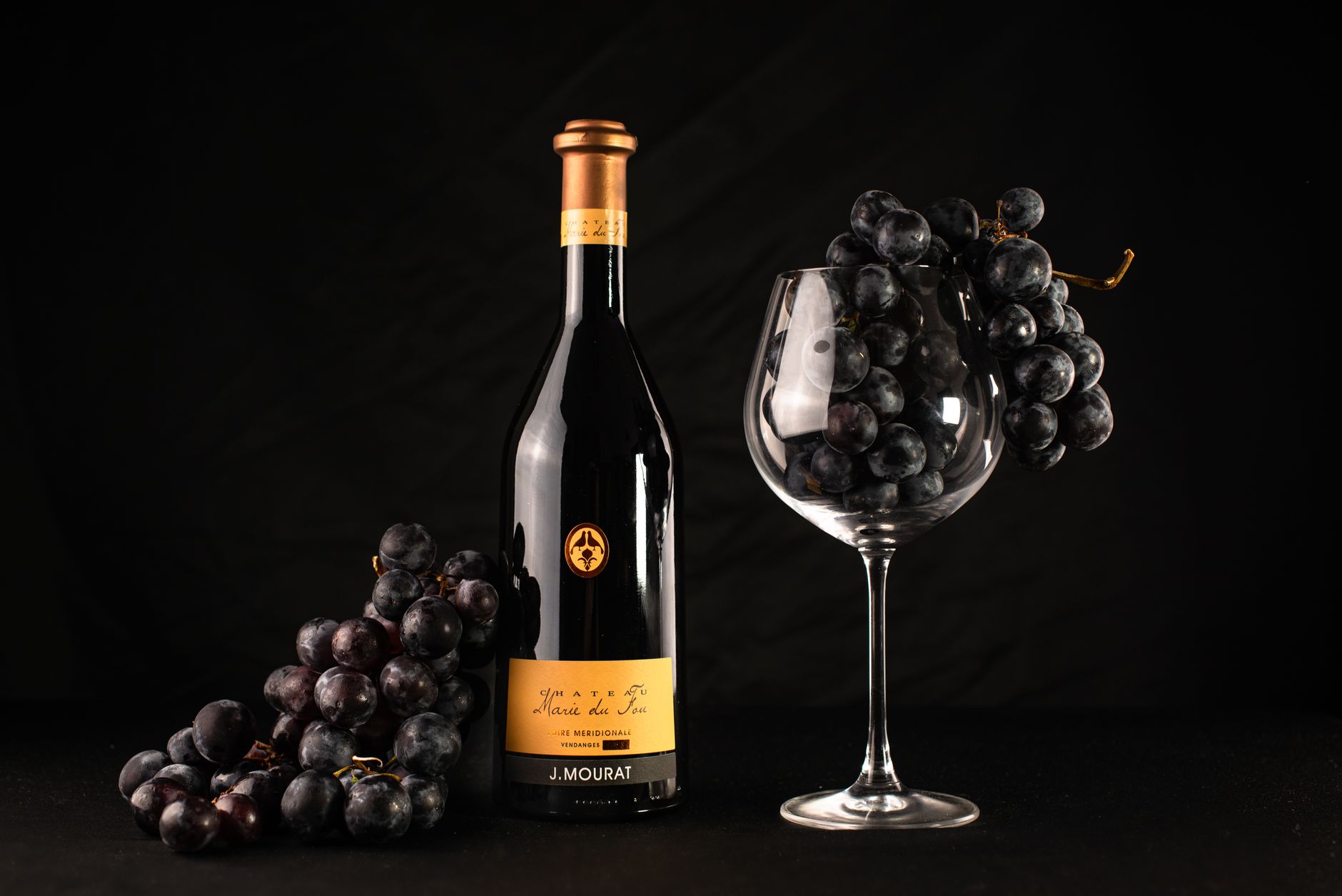
The process of wine-making is a delicate art, and understanding the quantity of grapes needed for a standard bottle of wine can deepen your appreciation for this timeless beverage. This article will explore how many grapes go into a bottle of wine and also provide insight into the wine-making process, grape varieties, and the impact of different factors on the final product.
Wine lovers often enjoy pairing their favorite varietals with meals or simply savoring a glass on its own. Learning about the ingredients behind wine, particularly the grapes, can enhance your tasting experience and knowledge. So, how many grapes does it take to fill a bottle of wine?
How Many Grapes in a Bottle of Wine?
A standard 750ml bottle of wine typically requires about 600 to 800 grapes. The exact number depends on various factors including the type of grape, the wine-making process, and the desired wine characteristics. Generally, 1 ton of grapes yields about 600 to 700 bottles of wine, which further emphasizes the relationship between grape volume and wine production.
Understanding Grape Varieties and Their Yields
Different grape varieties will yield varying amounts of juice and thus affect how many grapes are needed per bottle. Common wine grapes include:
- Cabernet Sauvignon: Known for its rich flavor, Cabernet Sauvignon grapes typically produce a high-quality wine with bold tannins.
- Chardonnay: This versatile grape can produce a range of wine styles, from oaked to unoaked, influencing the bottle yield differently.
- Merlot: A softer, fruitier option, Merlot grapes contribute to easier drinking wines.
- Pinot Noir: This delicate grape requires more careful handling but can yield lighter-bodied wines with complex aromas.
The location and conditions in which grapes are grown (known as terroir) also play a significant role in production quality and yield. Factors such as soil type, climate, and vineyard management techniques can significantly impact how many grapes are harvested from the vines.
The Wine-Making Process
The journey from grape to wine is intricate and necessitates careful management at each step. Here’s an overview of the primary phases of wine production:
- Harvesting: Grapes are picked at their peak ripeness, usually in late summer or early fall. This step largely determines grape quality.
- Crushing and Pressing: Once harvested, grapes are crushed to release their juice. For white wines, the skins are typically separated immediately, while red wines ferment with their skins to enhance color and flavor.
- Fermentation: Yeast is added to the grape juice to convert sugars into alcohol. This crucial step typically lasts between one to three weeks.
- Aging: After fermentation, wine is divided into barrels or tanks to age. This can take months or even years, with various aging vessels influencing the final taste.
- Bottling: Once aged to perfection, wine is filtered and then bottled. At this point, additional processes such as adding sulfites may occur to stabilize the wine.
Calculating the Number of Grapes
When estimating the number of grapes in a wine bottle, it is essential to consider several calculations. A typical cluster of grapes can weigh around 0.3 to 0.5 pounds, and each cluster may contain around 75 to 100 grapes. For instance:
| Grapes per Cluster | Weight per Cluster | Clusters Needed for 1 Bottle |
|---|---|---|
| 75 – 100 grapes | 0.3 – 0.5 pounds | 2 – 3 clusters |
With an average of 2 to 3 clusters needed for a single bottle, this aligns with the estimate of 600 to 800 grapes per bottle when scaling up for larger harvests.
Factors Influencing the Number of Grapes
Several factors affect how many grapes are needed for a bottle of wine. Understanding these can provide greater insight into the wine you enjoy:
1. Grape Variety:
As discussed, different grape varieties yield different amounts of juice. Some grapes are juicier and easier to press than others, impacting how many are needed for each bottle.
2. Ripeness:
Grapes harvested at optimal ripeness will yield more juice than those harvested too early or too late. Weather conditions heavily influence ripeness levels, emphasizing the importance of a good growing season.
3. Winemaking Techniques:
The methods employed by winemakers can also affect the yield derived from grapes. Choices regarding pressing techniques, fermentation temperatures, and even the length of contact with skins all play critical roles.
4. Terroir:
As previously noted, a grape’s environment significantly impacts its flavor profile and yield. Regions known for particular grape varieties often have established practices to maximize their quality and output.
Wine Serving Guide
Understanding how many grapes go into a bottle can enhance your overall wine experience and enjoyment. Here are some tips for serving wine properly:
- Glassware: Use appropriate wine glasses for different varietals; red wine glasses typically have a larger bowl while white wine glasses are often narrower.
- Serving Temperature: Serve red wines at room temperature and white wines chilled (about 45 to 55 degrees Fahrenheit).
- Decanting: Some red wines benefit from decanting to allow for aeration, enhancing their aromas and flavors.
- Food Pairings: Consider complementary flavors when pairing food with wine; for example, rich meats pair well with bold reds while lighter dishes suit a crisp white.
Storing Wine
Proper storage conditions can significantly preserve a wine’s characteristics. Here are essential tips for maintaining your wine collection:
- Temperature: Keep wine at a consistent temperature, ideally around 55 degrees Fahrenheit.
- Humidity: Aim for a humidity level of about 60-70% to avoid drying out corks.
- Light: Store wine in a dark place, avoiding exposure to strong light, which can degrade quality.
- Position: Keep bottles on their side to maintain moisture around the cork.
Common Mistakes in Wine Consumption
Understanding wine selection and consumption can enhance your overall experience. Avoid these common pitfalls:
- Ignoring Temperature: Both over-chilling white wines and under-chilling red wines can detract from their flavors.
- Not Ventilating Red Wines: Skipping decanting can inhibit aroma development and flavor richness in robust reds.
- Serving Wine Too Young: Some wines require aging; consuming them too early may lead to an underwhelming tasting experience.
- Neglecting to Pair with Food: Failing to consider food pairings can diminish the enjoyment of both wine and cuisine.
Wine Tasting Tips
To fully appreciate a glass of wine, consider the following tasting tips:
- Observing: Start by examining the wine’s color and clarity. The swirling motion will help you notice any legs.
- Smelling: Take a moment to inhale the aromas; they can provide valuable clues about the wine’s profile.
- Tasting: Take small sips to explore the various flavor notes and textures; consider how they evolve over time.
Exploring Wine Varietals
As you delve deeper into the world of wine, you may want to explore various wine regions and varietals. Each wine reflects its unique origins and cultural influences, offering an endless array of options to experience. Consider trying wines from well-known regions such as Bordeaux in France, Napa Valley in the United States, and Tuscany in Italy to discover the distinct flavors and characteristics contributed by their native grape varieties.
The Future of Wine Production
The wine industry continues to evolve with advancements in technology, sustainability practices, and changing consumer preferences. Modern winemakers often experiment with new techniques and grape varieties to cater to an increasingly diverse palate. Keeping an eye on trends such as organic and biodynamic wine production can offer insight into the vibrant future of this beloved beverage.
As you enjoy your next glass of wine, consider the journey that each grape has taken to reach your table. From vine to bottle, each sip tells a story of craftsmanship, dedication, and attention to detail.
Understanding how many grapes are involved in creating a bottle of wine can enrich your appreciation for this complex and captivating drink. Exploring various varieties, winemaking processes, and tasting techniques can enhance your experience and knowledge. Cheers!
For more related recipes or tips, feel free to explore candied grapes or check out our grape jelly meatballs for creative uses of grapes in your kitchen!