
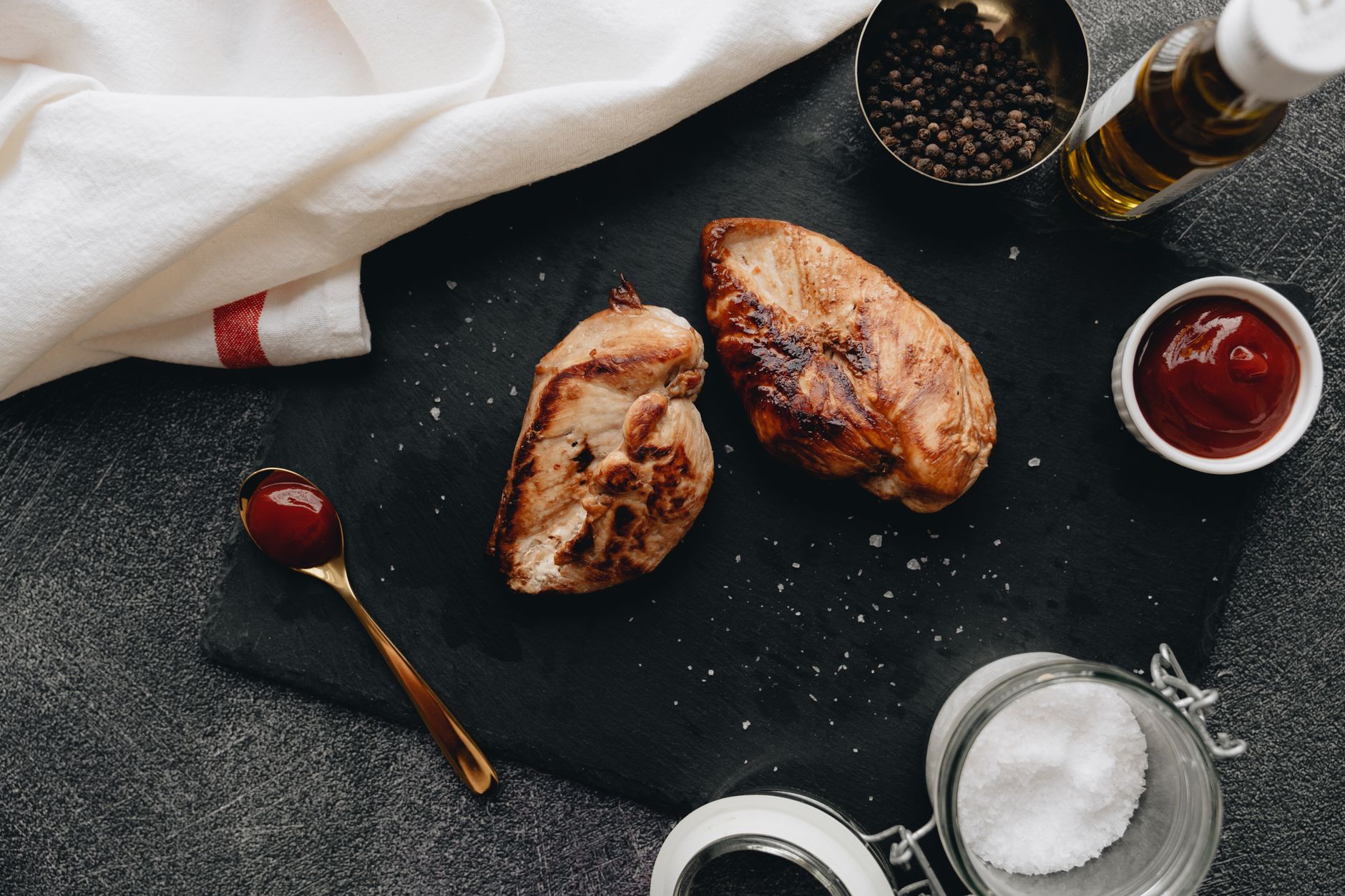
Chicken breast is a popular food choice for many health-conscious eaters and fitness enthusiasts due to its high protein content and versatility in recipes. Understanding how many grams of protein are in a chicken breast helps in meal planning and nutritional tracking.
In this article, we will explore the protein content in chicken breasts, how to cook them to retain their nutritional value, and various ways to incorporate them into your meals.
How Many Grams of Protein Is in a Chicken Breast?
On average, a cooked chicken breast (about 100 grams or 3.5 ounces) contains approximately 31 grams of protein. This makes chicken breast an excellent source of lean protein, essential for muscle repair, growth, and overall health.
Understanding the Nutritional Profile of Chicken Breast
Besides being rich in protein, chicken breast also provides other nutrients, including vitamins and minerals. Here’s a closer look at the nutritional value of a typical cooked chicken breast without skin:
| Nutrient | Amount per 100g |
|---|---|
| Calories | 165 |
| Protein | 31g |
| Fat | 3.6g |
| Saturated Fat | 1g |
| Carbohydrates | 0g |
| Fiber | 0g |
| Sodium | 74mg |
| Potassium | 256mg |
From this nutritional breakdown, it’s clear that chicken breast is a low-calorie food option that is very high in protein. The low fat content also makes it popular among those looking to maintain a healthy diet.
Choosing the Right Chicken Breast
To maximize the health benefits of chicken breast, consider the following tips when choosing your chicken:
- Fresh vs. Frozen: Fresh chicken breast is often recommended for taste, but frozen chicken can be just as nutritious if flash-frozen shortly after processing.
- Organic vs. Conventional: Organic chicken is raised without antibiotics or hormones, which some consumers prefer for health reasons.
- Skinless vs. Skin-On: Skinless chicken breasts have less fat and fewer calories. Removing skin before cooking helps lower the fat content significantly.
Cooking Techniques to Preserve Protein
How you cook chicken breast can affect its texture and nutritional content. Here are some popular cooking methods:
Grilling
Grilling chicken breast can enhance its flavor without adding unnecessary fats. It’s best to marinate the chicken beforehand to add moisture and flavor. Grilling typically requires the following steps:
- Preheat the grill to medium-high heat.
- Marinate the chicken for at least 30 minutes.
- Place the chicken on the grill and cook for 6-8 minutes per side, or until the internal temperature reaches 165°F (75°C).
- Let it rest for a few minutes before slicing to retain juices.
Baking
Baking chicken breast is an excellent way to keep it juicy while controlling the ingredients used. Follow these steps for baked chicken breast:
- Preheat the oven to 375°F (190°C).
- Season the chicken with herbs and spices of your choice.
- Place the chicken in a baking dish and cover it with foil.
- Bake for about 25-30 minutes, removing the foil during the last 10 minutes to allow it to brown.
Creative Ways to Use Chicken Breast in Meals
Chicken breast can easily be incorporated into a wide variety of dishes. Here are some ideas for how to use it:
- Salads: Grilled or baked chicken can be sliced and added to salads for a hearty meal. Consider adding mixed greens, cherry tomatoes, and a light vinaigrette.
- Tacos: Shredded chicken breast works wonderfully in tacos. Season it well and serve with toppings like avocado, salsa, and cilantro.
- Pasta Dishes: Diced chicken breast can be included in pasta dishes, combined with vegetables and a light sauce for a satisfying dinner.
Substitutions and Variations
If you’re looking for alternatives to chicken breast or wish to switch up the flavor while maintaining protein content, consider these options:
- Turkey Breast: Similar in protein content, turkey breast can be swapped for chicken breast in most recipes.
- Tofu: For a vegetarian option, firm tofu provides a decent amount of protein and can absorb flavors when marinated.
- Tempeh: Another excellent plant-based protein source that is denser than tofu and has a nuttier flavor.
Common Mistakes When Cooking Chicken Breast
Here are some common pitfalls to avoid when cooking chicken breasts:
- Overcooking: Chicken breast can dry out quickly if overcooked. Use a meat thermometer to ensure it reaches 165°F (75°C) without going higher.
- Skipping Marinade: Marinating chicken helps both flavor and tenderize the meat, making for a more enjoyable experience.
- Not Letting It Rest: Allowing cooked chicken to rest before slicing helps retain its juices.
Storing and Reheating Chicken Breast
Proper storage of chicken breast can extend its shelf life and ensure food safety:
- Refrigeration: Cooked chicken breast can be stored in an airtight container in the refrigerator for 3-4 days.
- Freezing: If you want to keep chicken breast longer, it can be frozen for up to 3 months. Make sure to wrap it tightly to prevent freezer burn.
- Reheating: When reheating, use the oven or a microwave until the internal temperature reaches 165°F (75°C) for safe consumption.
Meal Planning with Chicken Breast
Incorporating chicken breast into your weekly meal planning can simplify your grocery shopping and promote healthy eating. Here’s a sample of how you might use chicken breast across multiple meals:
Sample Meal Plan
- Monday: Grilled chicken salad for lunch and baked chicken with steamed vegetables for dinner.
- Tuesday: Chicken tacos for lunch and a pasta dish with chicken for dinner.
- Wednesday: Leftover chicken in a hearty soup.
- Thursday: Chicken stir-fry with mixed vegetables and brown rice.
- Friday: BBQ chicken flatbreads for a casual dinner.
Final Thoughts on Chicken Breast
Understanding how many grams of protein are in a chicken breast and how to prepare it can help you make informed food choices. The nutritional benefits of chicken breast make it an essential component of a balanced diet.
By learning proper cooking techniques and exploring various recipes, you can enjoy chicken breast in a multitude of delicious ways while meeting your dietary goals.
Explore more about cooking chicken breasts with our sous vide chicken breast recipe, or find a healthy dessert option with our protein brownies recipe.