
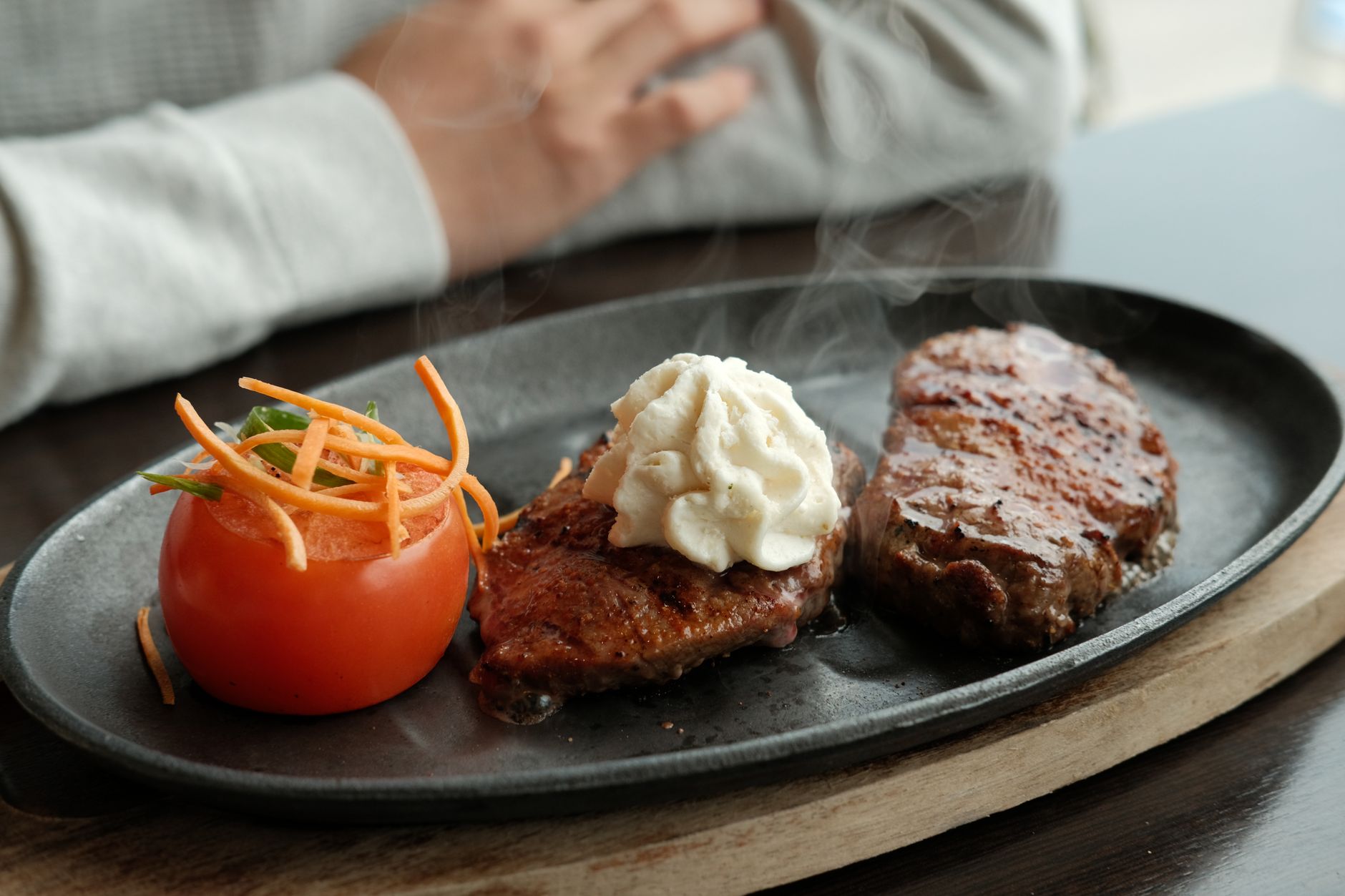
Steak is a popular choice for many meat lovers and is often celebrated for its flavor, tenderness, and nutritional benefits. One of the most important nutritional aspects of steak is its protein content, which can vary significantly depending on the cut and how it’s prepared.
Understanding how many grams of protein are in steak can help you better plan your meals, especially if you’re aiming for specific dietary goals such as muscle building or weight management. In this article, we will explore the protein content of various steak cuts, cooking methods, and tips for incorporating steak into a balanced diet.
How Many Grams of Protein Are in a Steak?
The protein content in steak varies by cut and preparation method. On average, a standard 3-ounce cooked steak contains approximately 22 to 26 grams of protein. For instance, lean cuts such as sirloin or tenderloin generally offer higher protein content per serving compared to fattier cuts like ribeye or T-bone.
Let’s break down the protein content in some popular steak cuts:
- Sirloin: Approximately 23 grams of protein per 3 ounces.
- Filet Mignon: Approximately 25 grams of protein per 3 ounces.
- Ribeye: Approximately 23 grams of protein per 3 ounces.
- T-bone: Approximately 23 grams of protein per 3 ounces.
- Flank Steak: Approximately 22 grams of protein per 3 ounces.
- Porterhouse: Approximately 26 grams of protein per 3 ounces.
- Skirt Steak: Approximately 23 grams of protein per 3 ounces.
Nutritional Benefits of Steak
Steak is not just high in protein; it also contains various essential nutrients that contribute to a balanced diet. Here are some key nutritional benefits of consuming steak:
- Iron: Steak is a rich source of heme iron, which is more easily absorbed by the body compared to non-heme iron found in plant sources. Iron is essential for forming red blood cells and preventing anemia.
- B Vitamins: Steak contains several B vitamins, particularly B12, which is crucial for nerve function and the production of DNA and red blood cells.
- Zinc: This mineral supports the immune system and helps with wound healing. Steak is a great source of zinc, which is important for overall health.
- Creatine: Found naturally in red meat, creatine can enhance athletic performance and improve muscle mass.
Choosing the Right Cut of Steak
Choosing the best cut of steak depends on your preferences, cooking methods, and health goals. Here’s a brief overview of some common steak cuts and their characteristics:
- Sirloin: Lean and flavorful, it is excellent for grilling and has a good balance of tenderness and taste.
- Filet Mignon: Known for its tenderness, it is cut from the tenderloin and has a delicate flavor. It’s often sought after for special occasions.
- Ribeye: Richer and more marbled compared to other cuts, ribeye has higher fat content, resulting in a juicy and tasty steak.
- T-bone: Featuring both tenderloin and strip steak, the T-bone offers two textures and flavors in one cut.
- Flank Steak: This cut is lean and best when marinated. It can be tough if overcooked, but it’s great for stir-fry dishes or fajitas.
- Porterhouse: Similar to T-bone but larger, it’s a hearty steak that combines different textures and flavors.
- Skirt Steak: Flavorful and best when grilled or seared, it is popular in tacos and stir-fries.
Cooking Methods and Their Impact on Protein Content
How you cook your steak can affect its nutritional profile, particularly its protein levels. The method chosen impacts not only the flavor and tenderness but also the moisture content, which can influence perceived protein density. Here are common cooking methods:
Grilling
Grilling is a popular method for cooking steak that allows excess fat to drip away while imparting a smoky flavor. This technique often preserves protein levels well, given that the cooking time is shorter, preventing significant moisture loss.
Pan-Searing
Pan-searing involves cooking steak in a hot skillet with a bit of oil. This method can enhance the Maillard reaction, giving the steak a lovely crust. Again, the protein content remains similar, assuming you don’t overcook the meat.
Broiling
Broiling cooks steak quickly under high heat, promoting a crisp exterior and a juicy interior. When broiled correctly, the protein content stays intact, similar to grilling.
Roasting
Roasting works well for larger cuts like prime rib. The cooking time is longer and involves lower heat settings, which can help retain moisture and thus keep protein content stable.
Slow Cooking
This method is great for tougher cuts but can sometimes lead to a loss of juices and moisture. The protein stays relatively constant; however, using marinades can help keep meats flavorful and tender.
Tips for Cooking Steak
Cooking steak can be an art, and there are several tips you can follow to ensure that you get the best flavor and texture:
- Let it Rest: After cooking, allow your steak to rest for about 5-10 minutes. This allows the juices to redistribute throughout the meat, enhancing flavor and tenderness.
- Use a Meat Thermometer: To ensure proper doneness without overcooking, use a meat thermometer. For medium-rare, aim for an internal temperature of around 130°F to 135°F.
- Marinating: For tougher cuts, marinating can help tenderize the meat. Use acids such as vinegar or citrus juices along with spices to enhance flavor.
- Seasoning: Simple seasoning with salt and pepper can enhance the natural flavors of the steak without overwhelming it. Season before cooking for best results.
Common Mistakes When Cooking Steak
Even seasoned cooks can make mistakes when cooking steak. Here are some common pitfalls to avoid:
- Overcooking: This can lead to toughness and dryness. Use a thermometer for best results.
- Skimping on Seasoning: Under-seasoning can result in bland meat. Don’t be afraid to use salt to bring out the flavor!
- Not Preheating Your Cooking Surface: A hot grill or pan is essential for getting a good sear for flavor and moisture retention.
- Cutting Too Soon: Slicing the steak immediately after cooking can cause juices to run out. Allow it to rest to maintain moisture.
Incorporating Steak into Your Diet
Steak can be a flavorful addition to various meals. Here are some practical ways to incorporate steak into your diet:
Balanced Meal Ideas
When planning meals, consider pairing steak with a variety of sides to create a balanced plate:
- With Vegetables: Serve steak with a side of roasted or steamed vegetables to add fiber and vitamins.
- In Salads: Thinly sliced steak can enhance a salad, adding protein and flavor.
- With Whole Grains: Pairing steak with quinoa, brown rice, or whole-grain bread can create a satisfying, nutrient-rich meal.
- For Breakfast: Add steak to an omelet or serve with eggs for a protein-packed breakfast.
Meal Prep Ideas
For those busy weeks, consider prepping steak in advance:
- Cooked steak can be stored in the fridge for up to 3-4 days. Slice it for easy addition to salads, wraps, or stir-fries.
- Freeze cooked steak in airtight containers or bags for longer storage. Thaw in the refrigerator when needed.
- Marinate and prepare raw steak, then freeze. This allows for easy cooking later while maintaining the flavor.
Dietary Considerations
While steak is nutritious, it’s essential to be mindful of individual dietary needs. Here are some considerations:
- Red Meat Recommendations: Some dietary guidelines suggest limiting red meat intake to reduce the risk of certain health issues. Consider balancing steak with other protein sources, such as poultry, fish, and plant-based proteins.
- Fat Content: Opt for leaner cuts of steak if you are monitoring fat intake. Trimming visible fat before cooking can also reduce overall fat content.
- Allergies and Sensitivities: Always check for any food allergies and consult with a healthcare provider for tailored dietary recommendations.
Conclusion
Steak can be a delicious and protein-rich addition to your diet, providing not just protein but also essential nutrients. When choosing your cut, cooking method, and meal pairings, consider what works best for your health and personal preferences. Keep in mind the cooking techniques and common mistakes to avoid for perfectly cooked steak every time.
For further exploration, you can delve into steak recipes and cooking techniques, such as learning more about flat iron steak or checking out a T-bone steak recipe to broaden your culinary repertoire.