
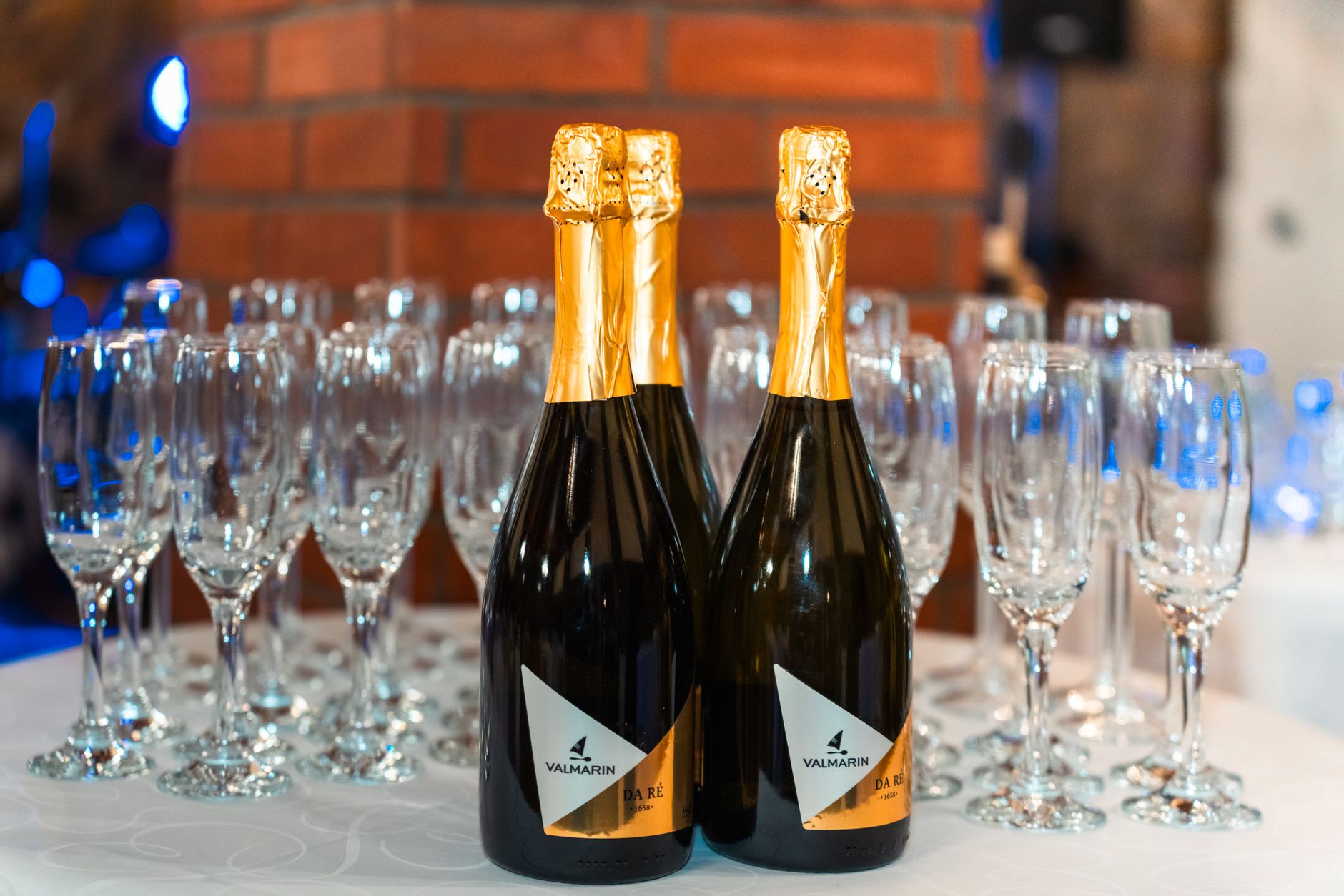
Champagne is a sparkling wine that embodies celebration, elegance, and joy. Knowing how many glasses you can pour from a single bottle of champagne not only aids in planning gatherings but also helps in choosing the right quantity for specific occasions. In this detailed guide, we’ll explore the various factors that influence how many servings you get per bottle of champagne and provide insights on serving, tasting, and enjoying this exquisite drink.
While it is generally accepted that a standard bottle of champagne contains 750 milliliters, the number of glasses you can pour depends on several factors, including glass size, serving style, and occasion. Let’s break this down in detail to understand how to maximize each bottle, serve elegantly, and enhance your champagne experience.
How Many Glasses of Champagne in One Bottle?
A standard 750 ml bottle of champagne can typically yield about 6 to 8 glasses, based on a standard serving size of 4 to 6 ounces per glass. If you’re using flutes, which typically hold around 5 ounces, you can expect to get approximately 6 servings. For wider glasses, serving sizes may vary, affecting the total number of servings.
Understanding Glass Sizes and Serving Styles
Champagne can be served in various types of glasses, each with different capacities. The most common types include:
- Champagne Flutes: Typically hold around 5 to 6 ounces. Their narrow shape helps retain bubbles and enhances the overall experience of drinking champagne. A standard 750 ml bottle will yield about 6 glasses from flutes.
- Champagne Coupes: These shallow, broad glasses hold approximately 6 to 8 ounces of liquid. Due to their larger capacity, a bottle will yield around 5 to 6 servings.
- White Wine Glasses: These can hold about 8 to 12 ounces. If using larger glasses, expect to pour about 4 to 5 servings from one bottle.
It’s essential to choose the right glass for your event, as this can significantly alter the drinking experience. Flutes are preferable for maintaining carbonation, while coupes can provide a retro and festive flair.
Factors Influencing Glass Counts
Several factors influence how many glasses of champagne you can pour from a single bottle:
1. Pour Size
The serving size can vary depending on personal preference or event guidelines. While a standard pour is around 4 to 6 ounces, some may prefer larger servings, which reduces the total yield.
2. Type of Champagne
Different types of champagne can have slightly different densities and carbonation levels, which may affect how you perceive serving sizes. For instance, a very dry champagne may feel lighter, encouraging larger pours, while sweeter varieties might be enjoyed in smaller amounts.
3. Occasion
Events such as weddings or significant celebrations might necessitate larger pours or even refills throughout the event, while casual gatherings might lean toward smaller servings. Adjust your calculations accordingly based on the nature of the event.
Serving Champagne: Best Practices
Properly serving champagne enhances the experience for your guests. Here are some best practices:
- Chill the Champagne: The ideal serving temperature for champagne is between 45°F and 50°F. Use an ice bucket to chill the bottle for about 30 minutes before serving.
- Use an Appropriate Glass: As previously mentioned, the type of glass matters. Use champagne flutes to maintain carbonation, and consider serving in coupes for a more casual setting.
- Pour with Care: Pour champagne slowly down the side of the glass to minimize foaming. Fill to about two-thirds full to allow room for release of aromas and to avoid spillage.
- Consider Food Pairings: While champagne can stand alone, it pairs well with an array of foods. Serving champagne with complementary foods like seafood, cheese, or pastries can enhance the experience.
Champagne Tasting Guide
Champagne tasting can be an event in itself. Here’s how to properly enjoy champagne:
- Observe: Look for bubbles and clarity. Fine, persistent bubbles are a sign of good champagne.
- Smell: Swirl the glass gently and inhale the aromas. A good champagne will often have notes of bread, fruit, or floral elements.
- Taste: Take a small sip, let it coat your tongue, and pay attention to the flavor profile. Is it dry or sweet, fruity or nutty? The finish is also essential; good champagne should linger on the palate.
Make-ahead Planning for Champagne Events
When planning an event where champagne will be served, it’s essential to plan ahead to ensure a smooth service:
- Determine the Number of Bottles: To calculate how many bottles you need, consider the number of guests and the number of glasses you expect each person to consume. A general guideline is one bottle for every 6 guests.
- Pre-cool the Bottles: Prepare the champagne by chilling several bottles ahead of time. An ice bucket is an elegant touch and keeps champagne at the right temperature when serving.
- Pre-pour for Receptions: If you are hosting a large event, consider pre-pouring the champagne into glasses before guests arrive to minimize delays during the toast.
Common Mistakes When Serving Champagne
Even seasoned hosts can make mistakes when it comes to serving champagne. Here are some common pitfalls and how to avoid them:
- Poor Temperature Control: Serving champagne too warm or too cold can affect flavor and aroma. Always aim for that sweet spot between 45°F to 50°F.
- Neglecting Glass Choice: Using inappropriate glassware can lead to poor carbonation retention. Stick to flutes for best results.
- Poor Pouring Technique: Pouring directly into the center of the glass can cause excessive foaming. Always pour down the side.
Storage and Serving Tips for Champagne
Proper storage can affect champagne’s quality over time. Here are some key tips:
- Keep It Cool: Store champagne in a cool, dark place. Ideal storage conditions are at 50°F to 55°F with stable humidity.
- Store Horizontally: Although it’s not essential for all types of champagne, laying the bottles horizontally can keep the cork moist, preventing it from drying out and affecting the seal.
- Avoid Vibration: Excessive vibration can disrupt the gently balanced state of aging champagne, affecting its quality.
Exploring Different Types of Champagne
Not all champagne is created equal. Understanding the different types can enhance your selection for specific occasions:
- Non-Vintage Champagne: The most common type, blended from wines of multiple years, providing a consistent flavor profile.
- Vintage Champagne: Made from grapes harvested in a single year, these bottles may be aged longer and often deliver a unique flavor experience.
- Rosé Champagne: Produced by either blending red and white wines or allowing prolonged skin contact, this variant adds a fruity and floral note that appeals to many drinkers.
Conclusion
Understanding how many glasses of champagne you can pour from a bottle not only helps with event planning but also enhances the drinking experience. By considering the type of glass, the serving size, and various accommodation factors, you can ensure that every event featuring champagne is memorable and enjoyable. Knowing how to properly serve and taste champagne can further elevate the experience for you and your guests. With careful planning and attention to detail, your champagne celebrations will leave a lasting impression.
For more food-related tips and recipes, explore our delicious offerings such as pickled shrimp and discover a refreshing lychee martini recipe to pair with your next champagne celebration.