
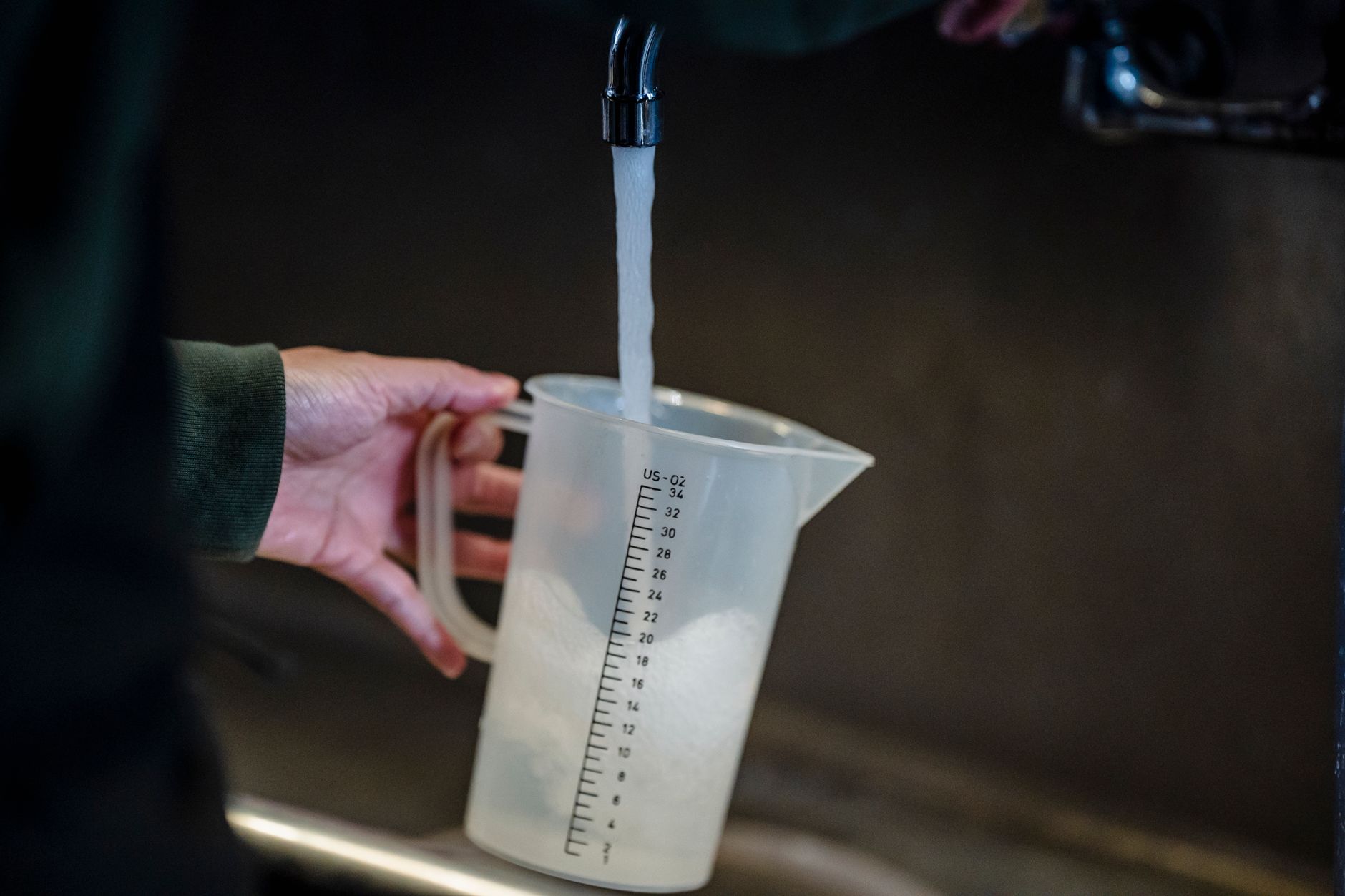
Understanding measurement conversions in cooking can enhance your culinary efficiency and effectiveness. One common conversion cooks encounter is figuring out how many cups of water make a quart. Whether you’re making soup, baking bread, or preparing rice, knowing this conversion can help ensure that your dishes turn out perfectly.
A quart is a unit of measurement commonly used in cooking and liquids, equal to four cups. Therefore, if you need to convert quarts to cups or vice versa, the process becomes straightforward. This article will explore the conversion of quarts to cups, various practical cooking applications, and additional measurement insights to enhance your kitchen skills.
How Many Cups of Water Make a Quart?
A quart is equal to 4 cups. Therefore, if you have a recipe that calls for 1 quart of water, you can confidently use 4 cups instead. This conversion applies not only to water but to most liquids used in cooking and baking.
Understanding Liquid Measurements
Measuring liquids accurately is crucial for successful cooking and baking. Different measurements are used depending on the volume needed:
- 1 Quart = 4 Cups
- 1 Pint = 2 Cups
- 1 Gallon = 4 Quarts
Knowing how these measurements correlate will help you adapt recipes and manage portion sizes effectively.
When to Use Quarts in Cooking
Quarts are often used in recipes that involve larger quantities of liquid. Here are some common scenarios where quarts might come into play:
- Soup and Broth: Recipes for soups and broths often call for quarts due to the volume required.
- Stews: These hearty dishes benefit from a quart or more for a serving that can feed several people.
- Cooking Pasta: Some recipes suggest using quarts of water to boil pasta, ensuring sufficient water for even cooking.
- Baking: Certain bread mixes or large batters may require quarts of water or milk for hydration.
Practical Cooking Tips for Using Quarts and Cups
Accurate Measurement Techniques
When measuring liquids, it is vital to use appropriate tools to ensure accuracy:
- Liquid Measuring Cups: These typically come with a spout and are designed to measure volumes accurately. Look for markings on the side that indicate quarts, cups, and pints.
- Dry Measuring Cups: Although these can be used for liquid, they are better suited for dry ingredients. If using dry measuring cups for liquid, fill to the top and level off.
Common Mistakes to Avoid
Here are some common pitfalls to watch out for when measuring liquids:
- Not Checking Eye Level: Always evaluate liquid measurements at eye level to ensure precision.
- Shaking or Stirring: Avoid stirring or shaking the measuring cup before measurement, as it can cause air bubbles that affect the liquid’s level.
- Using Incorrect Equipment: Ensure you use the correct type of measuring cup for the liquid you are measuring.
Conversions for Other Ingredients
While understanding quarts to cups is essential, being familiar with other common conversions can be equally beneficial:
- 1 Cup = 8 Ounces
- 1 Quart = 32 Ounces
- 1 Pint = 16 Ounces
If you need to substitute between these measurements while cooking or baking, having this knowledge readily available will save time and effort.
How to Measure a Quart of Water Using Cups
If you’re looking to measure out a quart of water using cups, here’s a straightforward method:
- Gather your materials: You’ll need a 1-cup measuring cup and a liquid measuring cup (preferably marked in quarts).
- Fill your 1-cup measuring cup with water.
- Pour the water into the quart measuring cup.
- Repeat the process until you have filled the quart measuring cup to the 1-quart mark (which should take four cups of water).
This method is simple and effective for accurately measuring water without the need for more specialized equipment.
Cooking Applications for Water Measurements
Understanding how to measure water accurately is vital, particularly when preparing various recipes. Here are some specific applications:
Making Rice
The water to rice ratio is crucial for achieving perfectly cooked rice. In general, the standard ratio for white rice is:
- 1 Cup of rice to 2 Cups of water
If you need to cook a larger batch, you might follow this rule:
- For every 1 Cup of rice, use 2 Cups of water. Therefore, if cooking 2 Cups of rice, you will need 4 Cups of water or 1 Quart.
Cooking Pasta
A large pot of boiling water is essential for cooking pasta. A general recommendation is to use:
- 1 Quart of water for every 8-12 ounces of pasta.
So if your recipe requires 1 pound of pasta (16 ounces), you would use 2 Quarts of water—8 Cups.
Making Soups and Stews
When making soups and stews, you will typically need a bit more water than for rice or pasta. The general rule of thumb is:
- For every quart of broth or stock, add additional water or other liquid as required, leading to 1 Quart of stock mixed with 1 Quart of water for most soup recipes.
Helpful Conversion Tools
In addition to understanding measurement conversions, various tools can simplify the cooking process:
- Measurement Charts: Keep a conversion chart handy in your kitchen to reference conversions easily.
- Digital or Kitchen Scales: These can be particularly useful for measuring larger quantities of ingredients or when precision is required.
- Apps and Online Calculators: Many cooking apps can convert measurements automatically, making it seamless to adjust recipe sizes.
Special Considerations for Other Liquids
While measuring water is straightforward, some liquids may have different densities, impacting measurements. For example:
- Oil: The measurement for oil may still follow the same conversion (1 Quart = 4 Cups), but keep in mind that its viscosity can affect how it is incorporated into recipes.
- Honey and Syrups: Thick liquids may not pour easily and could require slightly different measuring techniques compared to water.
Substitutions for Measuring Liquids
If you find you don’t have the right measuring cup available, you can use improvised tools:
- Jugs or Bottles: Common drinking containers like bpa-free jugs can be effective as long as their measurements are consistent. Check labels to ascertain volume.
- Other Cups: Coffee mugs or glasses can offer temporary solutions if they have a standard volume. Just be cautious about portion sizes.
Conclusion
Knowing that there are 4 cups in a quart is fundamental for effective cooking, making ingredient substitutions easier and more accurate. Understanding these conversions can elevate confidence in the kitchen and ensure recipes turn out as expected. Whether boiling pasta, making soups, or preparing rice, accurate measurements are crucial.
As you explore more recipes and techniques, consider the related material on measuring water for rice and discovering the best bottled water to drink for your culinary endeavors. These resources will further enrich your cooking experience.