
Understanding how to measure ingredients accurately is crucial in cooking and baking. One common question that arises is how many cups are in a stick of butter. This knowledge can help ensure your recipes turn out as intended, offering a more enjoyable cooking experience.
Butter is not just a delightful addition to many dishes; it plays a pivotal role in achieving the desired texture and flavor. Knowing the conversions and measurements associated with butter can simplify your cooking process significantly.
How Many Cups Is a Stick of Butter?
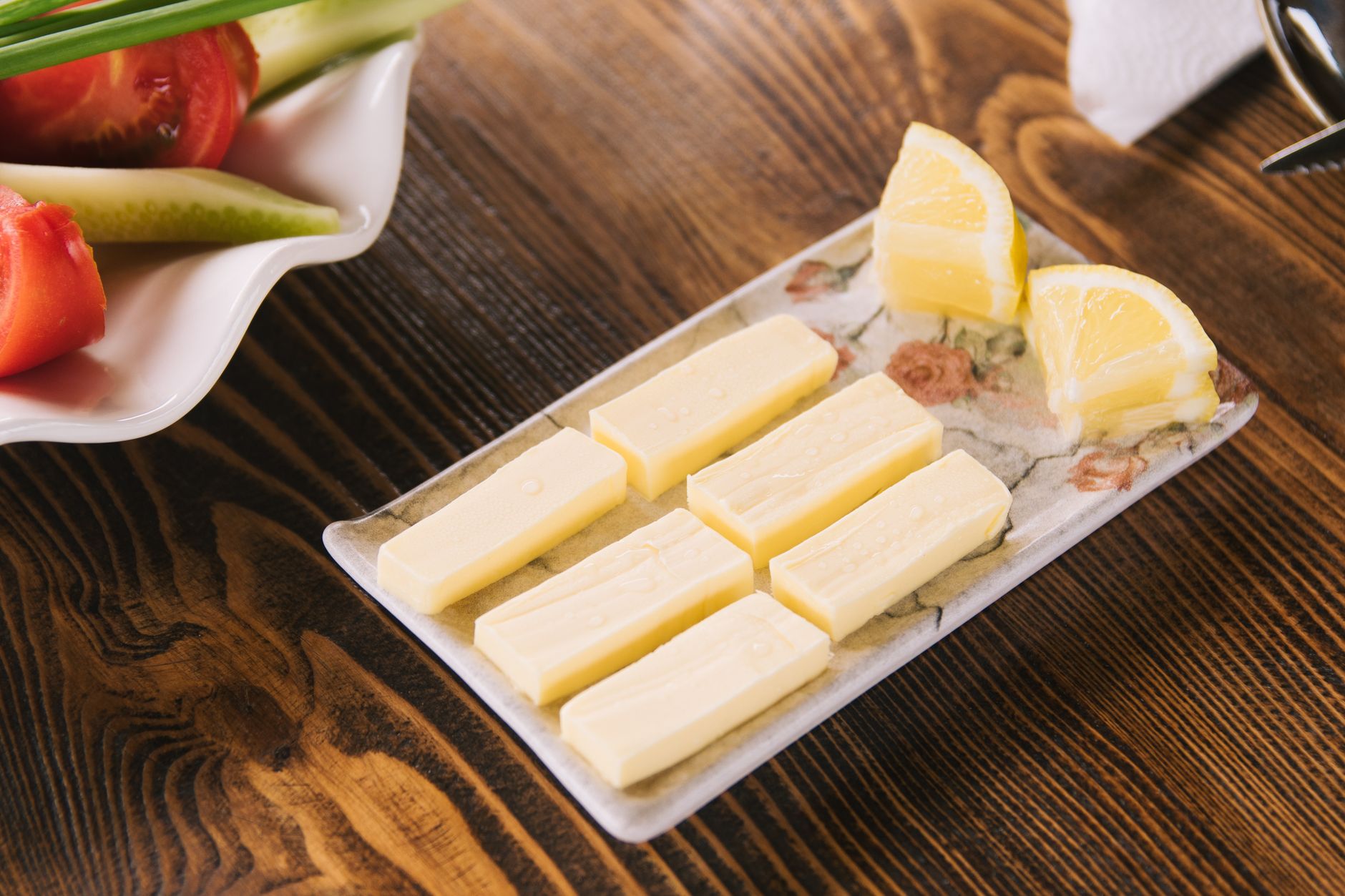
A stick of butter typically measures 1/2 cup, which equals 4 ounces or approximately 113 grams. In American recipes, butter is commonly sold in sticks, making it essential to understand these measurements for accurate cooking.
Butter Measurements and Conversions
To further clarify the measurements of butter, here are some useful conversions:
- 1 stick of butter = 1/2 cup
- 2 sticks of butter = 1 cup
- 1 cup of butter = 2 sticks
- 1 pound of butter = 4 sticks = 2 cups
How to Measure Butter
Measuring butter can be straightforward if you follow these steps:
- If using sticks, simply use the markings on the wrapper to cut the amount you need.
- If using loose butter, pack it into a measuring cup, then level it off with a straight edge.
- For precise baking, consider weighing your butter on a kitchen scale for accuracy.
The Role of Butter in Cooking and Baking
Butter serves many purposes in cooking and baking, including:
- Flavor: Butter adds a rich, creamy taste to dishes, improving their overall flavor profile.
- Texture: In baked goods, butter contributes to a tender crumb and flaky layers.
- Moisture: It helps retain moisture in recipes, preventing items from becoming dry.
- Leavening: Butter creates air pockets when creamed with sugar, helping baked goods rise.
Different Types of Butter and Their Uses
There are several types of butter you might encounter:
- Salted Butter: Contains added salt, often used in cooking and baking for flavor enhancement.
- Unsalted Butter: Preferred in baking for controlling salt levels in recipes.
- European Butter: Has a higher fat content than standard butter, offering a creamier texture.
- Clarified Butter: Butter that has had its milk solids and water removed, great for frying as it has a higher smoke point.
How to Clarify Butter at Home
Clarifying butter allows you to use it in higher-heat cooking without burning. Here’s how to do it:
- Start by melting unsalted butter in a saucepan over low heat.
- Allow the butter to simmer gently without stirring until foam forms on the surface.
- Removing the foam will expose the clear, golden liquid underneath. This is your clarified butter.
- Pour the clarified butter into a separate container, leaving the milk solids behind in the pan.
Common Butter Substitutions
In some situations, you might need to substitute butter. Here are common alternatives and their approximate ratios:
- Margarine: Use the same amount as butter (1:1), though it may alter the flavor slightly.
- Coconut Oil: Replace with an equal amount (1:1), adding a mild coconut flavor to baked goods.
- Vegetable Oil: Use 3/4 the amount of butter (3/4 cup vegetable oil per 1 cup of butter) for recipes requiring liquid fat.
- Applesauce: For a healthier option, use 1/2 the amount of applesauce (1/2 cup for 1 cup of butter) to maintain moisture.
Practical Tips for Cooking with Butter
Here are some tips to keep in mind when using butter:
- Let butter soften at room temperature for creaming with sugar effectively.
- This will ensure even incorporation into your batter for better texture.
- Always measure butter accurately to maintain the integrity of your recipes.
- Store butter in the refrigerator to maintain freshness and avoid spoilage.
Storing Butter Properly
Proper storage of butter can extend its shelf life. Here are some guidelines:
- Short-term Storage: Unopened butter can be kept in the refrigerator for several months.
- Long-term Storage: Butter can be frozen for up to six months; wrap it tightly in aluminum foil or plastic wrap.
- Room Temperature: Softened butter can be left out for up to a week, but it should be kept in a covered dish to prevent contamination.
When to Avoid Using Old Butter
Older butter may develop off-flavors or rancidity. Signs that butter has gone bad include:
- A sour or unpleasant odor.
- A change in color or the formation of a metallic sheen.
- Visible mold or discoloration.
Using Butter in Various Recipes
Butter is a staple ingredient in various cuisines and recipes, including:
- Baking: Cakes, cookies, and pastries rely on butter for texture and flavor.
- Sauces: Butter is used in emulsified sauces like hollandaise and as a base for pan sauces.
- Sautéing: Use butter to add flavor when sautéing vegetables or proteins.
Finishing Dishes with Butter
Finishing a dish with butter can enhance flavor and create a luxurious mouthfeel. Here’s how:
- Remove your dish from the heat.
- Add cold butter in small pieces and stir gently to incorporate without breaking down the emulsion.
- This will add richness and a glossy finish to your sauce or dish.
Final Thoughts on Butter Measurements
Understanding how many cups are in a stick of butter is pivotal for confident cooking and baking. Recognizing measurements and conversions helps reduce the chances of mistakes in the kitchen.
Whether you’re using butter for flavor or texture, knowing how to measure it accurately sets you up for culinary success. Enjoy the versatility that butter brings to your cooking adventures!
Explore related recipes and tips to enhance your culinary skills further, including how to make clarified butter or try your hand at a delicious sour cream pound cake recipe.