
Pasta is a beloved staple in various cuisines, offering a wide range of shapes, sizes, and flavors. Understanding the measurements involved, especially when it comes to determining how many cups are in a pound of pasta, is essential for home cooks. Accurate measurements help ensure that your dishes are balanced and satisfying.
This article will not only answer the question of how many cups are in a pound of pasta but will also explore different types of pasta and provide tips for cooking, measuring, storage, and more. This knowledge will enhance your cooking experience and keep your meals delicious.
How Many Cups Is a Pound of Pasta?
One pound of dried pasta typically yields around 4 cups of uncooked pasta. However, this measurement can vary slightly based on the type of pasta. When cooked, that same pound will generally expand to yield about 8 cups of finished pasta. Understanding this conversion is crucial for meal planning and portion control.
Understanding Pasta Types and Their Measurements
Not all pasta shapes measure the same, resulting in slightly different cup amounts for a pound. Here’s a breakdown of common pasta types along with their average cup measurements per pound.
Dried Pasta Types
- Spaghetti: Approximately 4 cups uncooked per pound.
- Penne: Approximately 4 to 4.5 cups uncooked per pound.
- Fusilli: About 4 to 5 cups uncooked per pound.
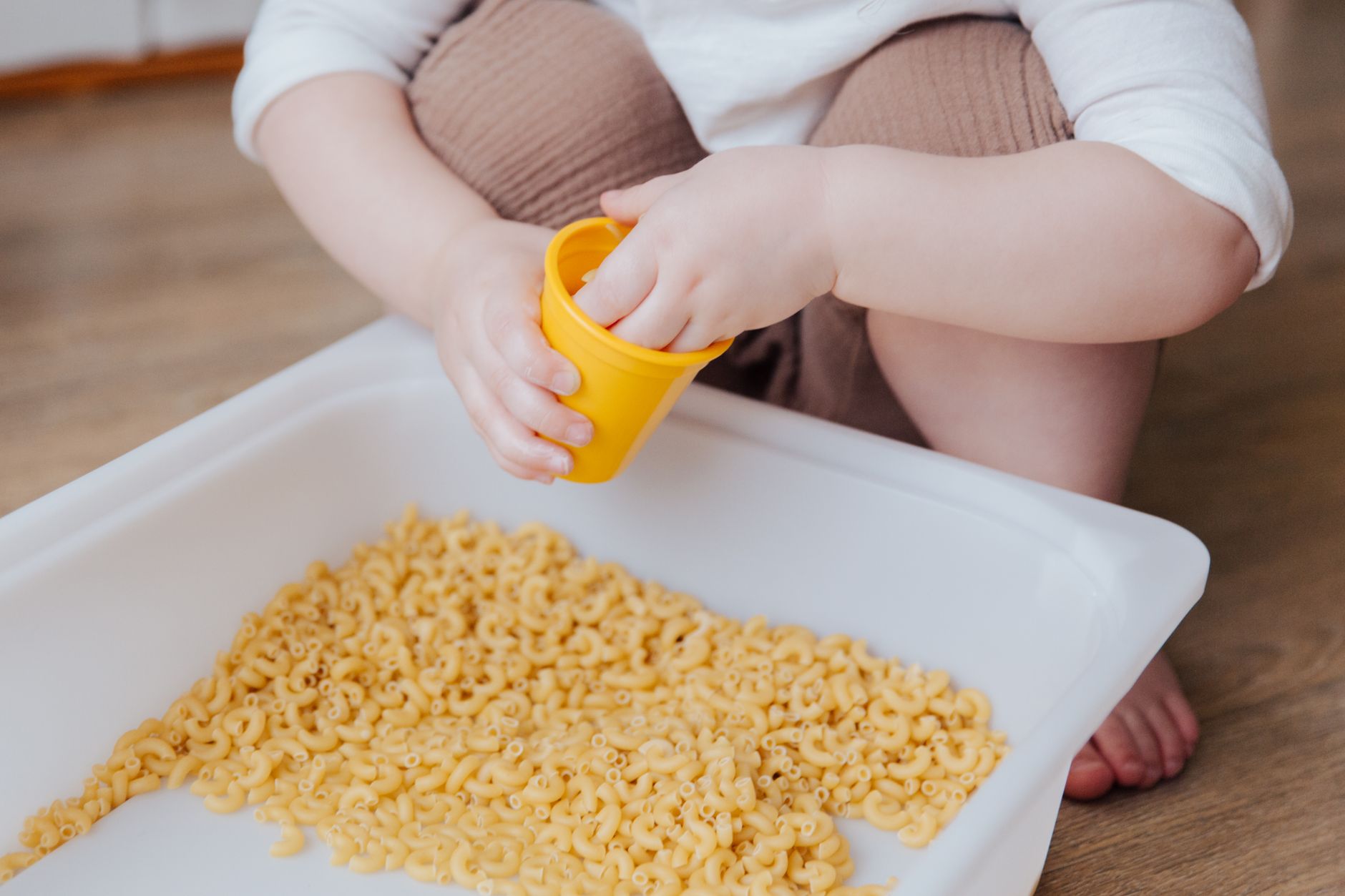
- Macaroni: Roughly 4 cups uncooked per pound.
- Orecchiette: Around 4 cups uncooked per pound.
- Lasagna Noodles: About 8 pieces per pound, which is roughly equivalent to 4 cups uncooked.
- Orzo: Approximately 2 to 3 cups uncooked per pound, making it more dense.
Visual Measurement Techniques
Sometimes, you may not have a scale handy, or you may be cooking in larger quantities. Here are some tips for visually measuring without a scale:
- For spaghetti, a standard serving size is approximately the diameter of a quarter.
- A cup of penne or macaroni usually fills your palm when loosely cupped.
- Fusilli and shapes with bulk may fill a standard measuring cup more quickly due to their curls and twists.
Cooking Pasta: Guidelines and Tips
Once you’ve measured your pasta, proper cooking techniques ensure the best texture and flavor. Here are essential steps to cook pasta effectively.
General Cooking Instructions
- Boil Water: Start by filling a large pot with water, using about 4 quarts of water per pound of pasta. Bring it to a rapid boil and add a generous amount of salt, about 1 to 2 tablespoons for flavor.
- Add Pasta: Once the water is boiling, add the pasta and stir to prevent sticking.
- Cook Time: Refer to the package instructions for the appropriate cooking time, which usually ranges from 8 to 12 minutes, depending on the pasta type.
- Taste for Doneness: A minute or two before the suggested cooking time, taste a piece of pasta. It should be al dente, meaning firm to the bite.
- Drain and Rinse: Once cooked, drain the pasta in a colander. Rinsing is generally not recommended, as it washes away the starch that helps sauces adhere, but rinsing can be helpful if you’re making a cold pasta dish.
Common Mistakes to Avoid
Cooking pasta seems simple, but there are a few pitfalls to avoid:
- **Not Salting Water:** This is crucial for infusing flavor into the pasta.
- **Overcooking:** Keep an eye on the clock to prevent mushy pasta.
- **Not Stirring:** Stir once or twice in the early minutes to keep pasta from clumping.
Pasta Storage: Tips for Freshness
To ensure that your pasta stays fresh and flavorful, consider the following storage methods.
Dried Pasta Storage
- Store uncooked dried pasta in an airtight container in a cool, dry place.
- Keep it away from light and moisture to preserve its quality.
- Properly stored, dried pasta can last for one to two years.
Cooked Pasta Storage
- Store cooked pasta in a sealed container in the refrigerator.
- Make sure it cools before sealing to avoid steam build-up, which can lead to soggy pasta.
- Cooked pasta should be consumed within 3 to 5 days for optimal freshness.
Pasta Recipes to Try
With your newfound knowledge about measurements and cooking, it’s time to put it into practice. Here are some delightful pasta recipes to inspire your culinary adventures.
Pasta and Peas Recipe
This simple dish incorporates fresh flavors and easy preparation, making it perfect for a weeknight dinner. Use about 1 pound of your preferred pasta for a meal serving 4 to 6 people.
- 1 pound of pasta (any shape)
- 2 cups of fresh or frozen peas
- 1 tablespoon olive oil
- 2 cloves garlic, minced
- Salt and pepper to taste
- Grated Parmesan cheese for garnish
- Cook pasta according to package instructions, adding peas for the last 2 minutes of cooking.
- In a skillet, heat olive oil over medium heat. Sauté garlic until fragrant.
- Drain the pasta and peas and add them to the skillet. Toss to combine.
- Season with salt, pepper, and Parmesan before serving.
Orecchiette Pasta Recipe
This recipe highlights the unique shape of orecchiette, perfect for holding onto sauce. This dish serves approximately 4 people using 1 pound of pasta.
- 1 pound orecchiette pasta
- 2 tablespoons olive oil
- 1 medium onion, chopped
- 2 cups broccoli florets
- 1 teaspoon red pepper flakes (optional)
- Salt and pepper to taste
- Cook orecchiette according to package directions.
- In a separate pan, heat olive oil, adding onions until translucent. Stir in broccoli and red pepper flakes, cooking until tender.
- Combine the cooked orecchiette with the broccoli mixture, adding salt and pepper to taste.
- Serve hot, garnished with grated Parmesan if desired.
Practical Meal Planning with Pasta
Pasta is versatile and can be used in various meal plans. Here are tips for incorporating it effectively into your weekly menus:
Ingredient Overlap
- Choose a few staples that can be used across multiple meals, such as garlic, olive oil, and fresh vegetables.
- Consider making a large batch of sauce that can be used for different pasta shapes throughout the week.
Batch Cooking
Cooking pasta dishes in bulk allows for easy meal prep. Here’s how to do it:
- Cook multiple pounds of pasta and store it in portions, ensuring it’s tossed lightly in olive oil to prevent sticking.
- Prepare different sauces for variety, allowing for quick meal assembly.
- Keep cooked vegetables and proteins on hand to mix and match with the pasta throughout the week.
Final Thoughts on Pasta Usage
With the information provided, you now understand how pasta works in terms of measurements, cooking, and storing. Mastering the art of cooking pasta will elevate your dish from ordinary to extraordinary. Use this knowledge of how many cups are in a pound of pasta for perfect portioning and meal planning.
For more delightful pasta recipes, check out our Orecchiette Pasta Recipe and our Pasta and Peas Recipe to bring your culinary creations to life.