
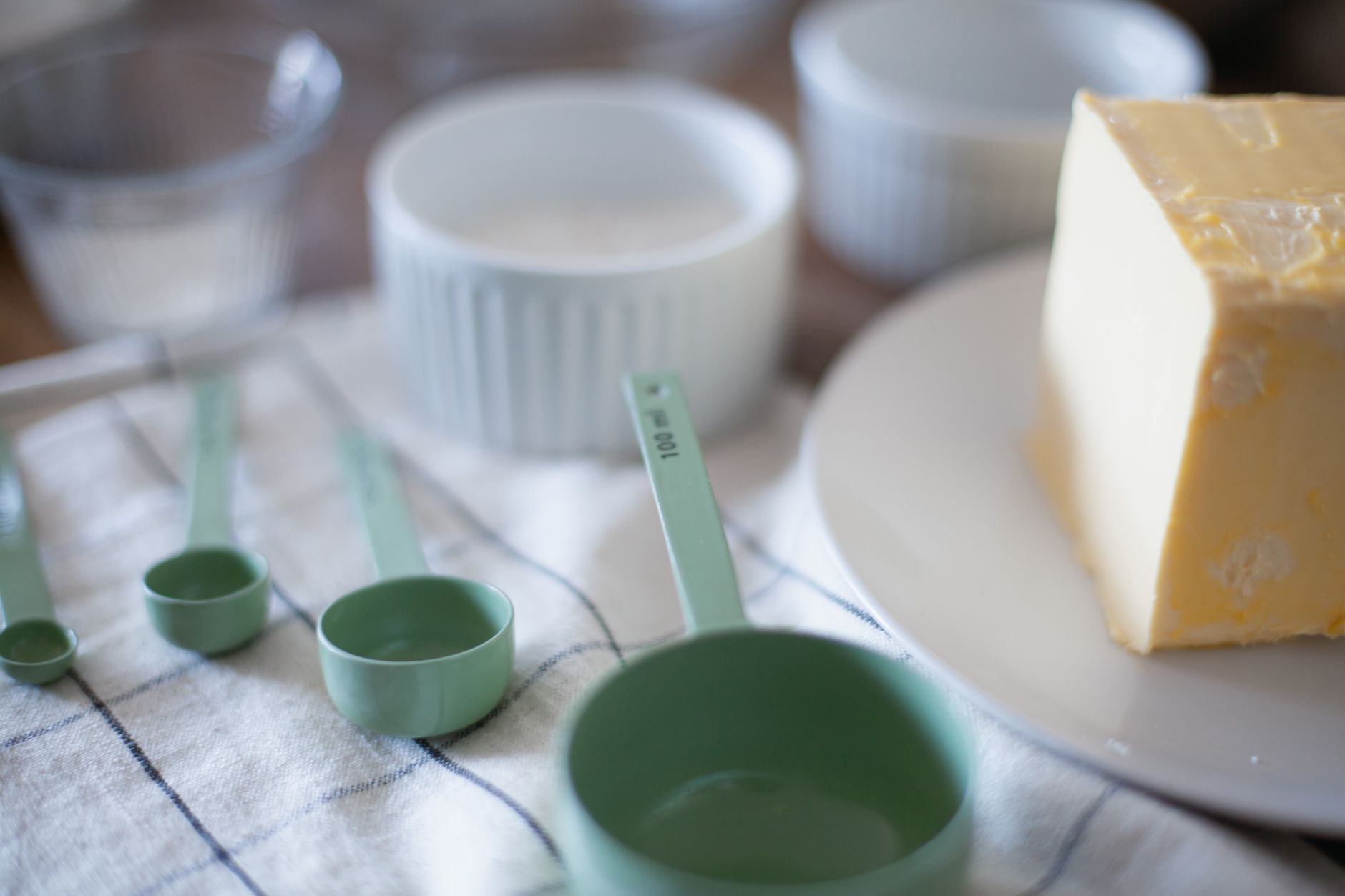
Butter is a staple ingredient in many kitchens, commonly used for baking, cooking, and flavoring dishes. However, when following a recipe, measuring butter accurately is crucial for achieving the intended flavor and texture. If you find yourself needing to convert tablespoons to cups, you may wonder how many cups are in 4 tablespoons of butter. This article breaks down that measurement and provides additional useful information about butter, including tips for cooking and baking, flavor profiles, and ingredient substitutions.
Understanding butter measurements not only helps in precise cooking but also in meal planning. Whether you are making a rich cake, sautéing vegetables, or baking biscuits, having a handy conversion guide can enhance your cooking experience. Let’s delve into measuring butter correctly and explore more about this versatile ingredient.
How Many Cups Is 4 Tablespoons of Butter?
Four tablespoons of butter is equal to 1/4 cup. This conversion is straightforward and essential for anyone who enjoys baking or cooking. Knowing this ratio can help not only in recipe following but also in adjusting ingredient amounts according to serving sizes.
Understanding Butter Measurements
When it comes to measuring butter, understanding the common metrics can help simplify your cooking. Butter is typically sold in sticks in the United States, with each stick weighing about 4 ounces and measuring 1/2 cup. Here is a quick cheat sheet for converting common butter measurements:
- 1 tablespoon = 0.0625 cups
- 1/4 cup = 4 tablespoons
- 1/2 cup = 8 tablespoons
- 1 cup = 16 tablespoons
This understanding of butter measurements can prevent confusion when working with various recipes, especially ones that might require scaling up or down.
Different Types of Butter
Butter is not a one-size-fits-all ingredient. There are several types of butter available, each differing in flavor, fat content, and best uses in cooking and baking. Here’s a brief overview of the most common types:
1. Salted Butter
Salted butter contains added salt, which enhances its flavor. It’s typically used in cooking, baking, and as a spread. If a recipe calls for unsalted butter, using salted butter may alter the taste slightly, so adjustments in added salt must be considered.
2. Unsalted Butter
Unsalted butter is the preferred choice for baking due to its consistency in flavor and fat content. Bakers can select their desired salt amount, allowing for greater control over the final product.
3. Clarified Butter
Clarified butter is simply butter that has had its milk solids and water removed. It has a higher smoke point than regular butter, making it ideal for frying and sautéing without burning. This type of butter provides a rich buttery flavor without the risk of it smoking.
4. Cultured Butter
Cultured butter is made from fermented cream, giving it a tangy flavor that some recipes may benefit from. It works well in recipes where butter flavor is essential to the overall taste profile.
Popular Uses of Butter in Cooking
Butter can elevate many dishes, imparting richness and depth. Here are some popular uses for butter in cooking:
- Baking: Used in cakes, cookies, and pastries for moisture and flavor.
- Sautéing: Provides flavor and helps to brown foods when cooking vegetables or proteins.
- Spreads: Common as a topping for bread or pancakes.
- Flavoring: Used in sauces, such as beurre blanc or hollandaise, and in finishing dishes.
Measuring Butter Accurately
Accurate measurements are crucial in baking, where ratios can greatly affect the final product. Here are some practical tips for measuring butter:
Using Stick Butter
If you have stick butter, it usually has measurements marked on the wrapper. This makes it straightforward to cut off the correct amount, especially for measurements like tablespoons or cups.
Using a Kitchen Scale
For more precision, especially in baking, using a kitchen scale can be beneficial. One cup of butter weighs about 227 grams or 8 ounces. Weighing your ingredients can help ensure consistent results, particularly in baked goods.
Using a Liquid Measuring Cup
Another method is to melt the butter and measure it in a liquid measuring cup. Melted butter can be more challenging to measure in tablespoons, but when in liquid form, it is easy to see how much you have. Just ensure you allow it to cool slightly before using it in recipes that require solid butter.
Common Butter Substitutions
Sometimes, you may find yourself out of butter or looking for a healthier alternative. Here are some common substitutes you can use in place of butter:
- Margarine: Equal measurements can typically replace butter with margarine, though it may alter the flavor slightly.
- Coconut Oil: Great for vegan or dairy-free cooking, coconut oil can replace butter 1:1 but will impart a slight coconut flavor.
- Applesauce: For a healthier, lower-fat option, you can use unsweetened applesauce in baked goods, substituting half the butter for applesauce to maintain moisture.
- Greek Yogurt: When baking, using Greek yogurt can add protein and moisture but may require experimenting to achieve the desired texture.
- Olive Oil: Useful in savory recipes, olive oil can be used in place of butter at about three-quarters of the amount required.
Each substitution may affect the final outcome, so adjustments such as additional leavening agents or baking time may be required depending on the recipe.
Common Mistakes to Avoid When Using Butter
Even an experienced cook can run into trouble with butter if not careful. Here’s a list of common mistakes to avoid:
- Not softening butter adequately before creaming: Softened butter at room temperature is essential for incorporating air into sweet batters, creating a light texture.
- Using cold butter when recipes require softened or melted butter: This can affect the final consistency and texture of baked goods.
- Not measuring butter accurately: Always ensure that you measure correctly, as using too much or too little can significantly change a recipe’s results.
- Overheating melted butter: Butter can quickly go from melted to burnt if overheated, so keep an eye on it.
Cooking Tips for Butter
Here are some smart cooking tips to keep in mind when using butter:
- Add a pinch of salt to unsalted butter to enhance its flavor, especially when used as a spread.
- Brown butter for a nutty flavor: Brown your butter by cooking it on medium heat until it turns golden brown and develops a rich aroma. This adds complexity in flavors for cookies, sauces, and more.
- Use butter in combination with other fats: Combining butter and oil can give you the best of both worlds, achieving flavor without burning.
Storage and Shelf Life of Butter
Properly storing butter is important to maintain its flavor and prevent spoilage. Here’s a quick guide:
Refrigeration
Butter can be stored in the refrigerator for several months, typically up to 6-9 months for unsalted butter and up to one year for salted butter.
Freezing
For longer storage, butter can be frozen for up to a year. Wrap it tightly in plastic wrap and then place it in a freezer-safe container. Make sure to label with the date so you can keep track of its freshness.
Room Temperature
Butter can be kept at room temperature for short periods (about 1-2 days) if covered and stored in a cool place. However, it’s essential to consume it quickly to avoid spoilage.
Conclusion
Understanding butter and how to measure and store it properly is essential for any home cook. Accurately knowing that 4 tablespoons of butter is equal to 1/4 cup can aid significantly in the preparation of various dishes. Whether baking cakes, sautéing vegetables, or making creamy sauces, these insights about butter can help you create wonderful meals.
For a deeper dive into cooking techniques, try learning about clarified butter or explore a delicious recipe for butter swim biscuits to see the impact of butter on flavor and texture firsthand.