
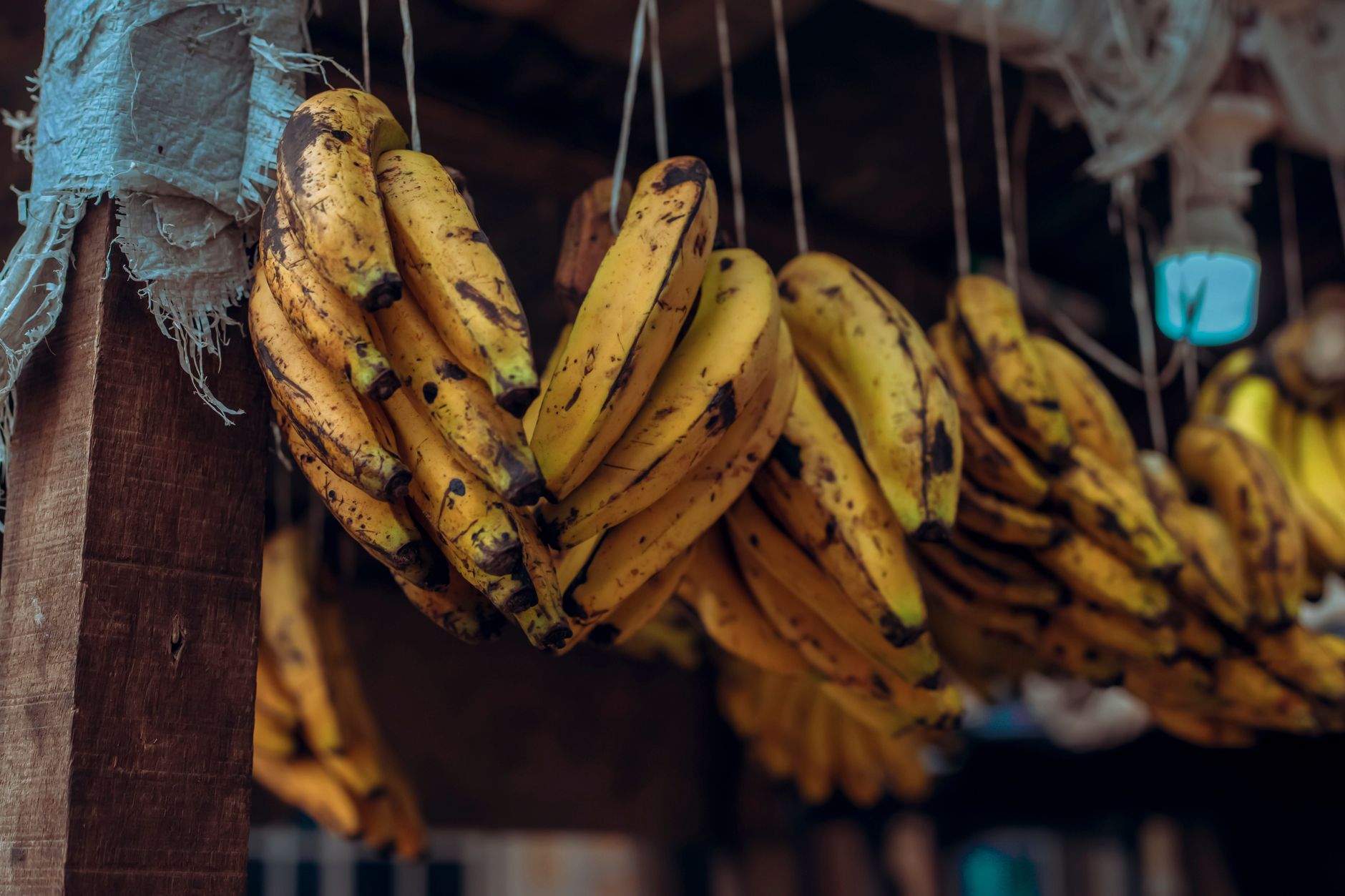
Bananas are a popular fruit enjoyed across the globe, known for their sweetness, convenience, and nutritional value. When it comes to dietary considerations, particularly for those monitoring carbohydrate intake, understanding the carb content of bananas is essential.
This article will explore how many carbs are in a banana, the nutritional profile, serving sizes, and practical implications for meal planning and dietary choices.
How Many Carbs Is a Banana?
A medium-sized banana (about 7 to 8 inches long) typically contains around 27 grams of carbohydrates. This includes approximately 14 grams of sugar and about 3 grams of fiber, making bananas a source of natural sugars along with dietary fiber.
It’s important to note that the carbohydrate content can vary slightly based on the size of the banana and its ripeness. Larger bananas will have more carbs, while smaller ones will have less. This information can be crucial for those following low-carb or ketogenic diets.
Understanding Carbohydrates in Bananas
Carbohydrates are a primary source of energy for the body. They can be classified into three main categories: sugars, starches, and fiber. When considering bananas, the carbohydrate makeup is dominated by natural sugars and fiber.
- Natural Sugars: The sugars in bananas are primarily fructose, glucose, and sucrose, which provide a quick source of energy.
- Dietary Fiber: Fiber contributes to digestive health and can help in managing blood sugar levels.
Nutritional Breakdown of a Banana
Alongside carbohydrates, bananas offer various vitamins and minerals beneficial for health. Here’s a detailed breakdown of the nutrients found in a medium banana:
- Calories: Approximately 105
- Carbohydrates: 27 grams
- Sugars: 14 grams
- Dietary Fiber: 3 grams
- Protein: 1.3 grams
- Fat: 0.3 grams
- Potassium: 422 mg
- Vitamin C: 10% of the daily value
- Vitamin B6: 20% of the daily value
Portion Sizes and Carb Variation
The size of the banana plays a significant role in the total carbohydrate count. Here’s a general guide to the carbohydrate content based on banana size:
| Banana Size | Approximate Carbohydrates |
|---|---|
| Small (<6 inches) | 23 grams |
| Medium (7-8 inches) | 27 grams |
| Large (8-9 inches) | 31 grams |
| Extra Large (>9 inches) | 35 grams |
The Role of Ripeness in Carbohydrates
As bananas ripen, their carbohydrate composition changes. Here’s how ripeness affects carb content:
- Unripe (green) bananas: These have higher levels of resistant starch, which acts more like fiber in the digestive system, and lower sugar content.
- Ripe (yellow) bananas: The starches convert to sugars, increasing the sugar content and overall carbohydrates.
- Overripe (brown) bananas: These bananas are high in sugars and can have significantly more carbs compared to their unripe counterparts.
Incorporating Bananas into Your Diet
Bananas are versatile and can be easily included in various meal plans. Here are some popular ways to enjoy them:
- Breakfast Smoothies: Blend a banana with yogurt, milk, and other fruits for a nutritious breakfast shake.
- Snacks: Enjoy raw, sliced on toast, or mixed with nut butter.
- Baking: Bananas are a popular ingredient in baked goods, such as banana bread, thanks to their natural sweetness and moisture.
Bananas in Meal Planning
When planning meals for the week, considering the carb content of bananas can help you balance your carbohydrate intake, especially in diets focused on specific macronutrient ratios. Here are practical tips:
- Protein Pairing: Combine bananas with protein-rich foods like Greek yogurt or cottage cheese for a balanced snack.
- Pre-Workout Snack: The quick sugars in bananas make them an excellent fuel choice for exercise.
- Portion Control: If monitoring carb intake, you might choose smaller bananas or half a banana to better fit within your carb allowance.
Common Misconceptions About Bananas
There are several myths surrounding bananas and their carbohydrate content. Here are a few clarifications:
- Myth: Bananas are too high in carbs for a healthy diet. While bananas do contain carbs, their nutrient profile, including fiber, potassium, and vitamins, makes them a healthful choice when consumed in moderation.
- Myth: All fruits are automatically low in carbs. Fruits vary significantly in carb content; bananas are moderate, while fruits like berries tend to be lower.
Practical Substitutions
If you’re looking to reduce carbohydrate intake or avoid bananas for any reason, here are some suitable alternatives:
- Apples: A medium apple has about 25 grams of carbs and can provide a similar texture when sliced.
- Pear: With approximately 28 grams of carbs, pears offer a sweet flavor similar to bananas.
- Mango: A medium mango contains around 50 grams of carbs; portions may need adjusting based on your specific diet.
Storage Tips for Bananas
To maintain the quality and freshness of bananas, follow these storage tips:
- Room Temperature: Store bananas on the countertop until they reach your desired ripeness.
- Refrigeration: Once ripe, if not consumed immediately, bananas can be placed in the refrigerator. The peel may darken, but the fruit inside will remain fresh longer.
- Freezing: For long-term storage, you can freeze bananas. Peel them and place in an airtight container to make smoothies and baking easier later on.
Health Considerations
While bananas are nutritious, those who need to monitor blood sugar levels should enjoy them mindfully due to their sugar content:
- Diabetes Management: Consider incorporating bananas into meals rather than having them as standalone snacks to mitigate blood sugar spikes.
- Allergies: Though rare, some individuals may have a banana allergy. Always consult with a healthcare professional if you suspect an allergy.
Conclusion
Bananas are a delicious and nutritious fruit that provides a moderate amount of carbohydrates along with essential vitamins and minerals. Understanding their carb content can help you make informed decisions whether you’re planning meals, exercising, or monitoring nutritional intake. Enjoy bananas on their own or incorporate them into various dishes for a healthful addition to your diet.
For more detailed information about dietary fiber in bananas, check out our article on how much fiber in banana. If you’re curious about the carb content of other foods, such as eggs, visit our guide on how many carbs are in eggs.